
UK Government to Impose Residency Tests for Political Donors After Record Crypto Gifts
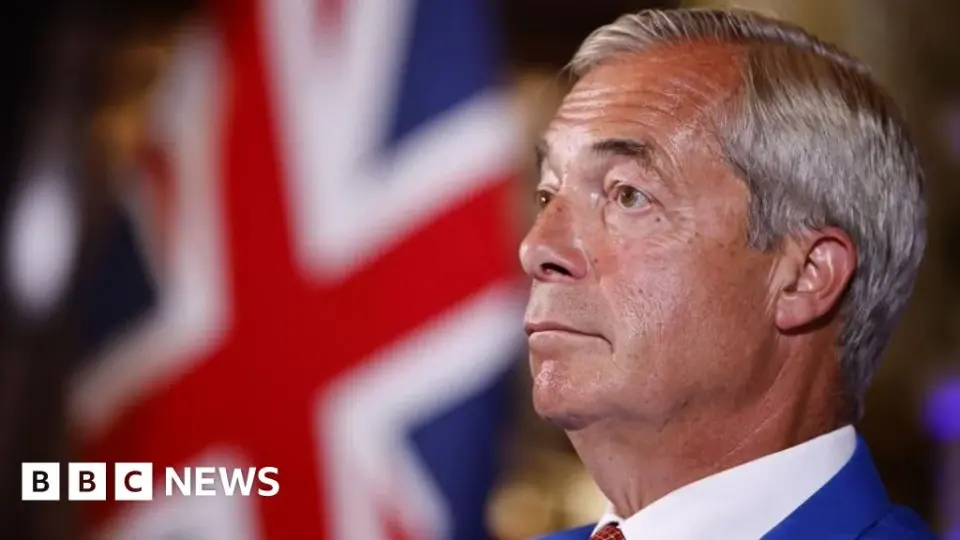
The UK government plans to introduce strict residency requirements for political donors following a controversy over £72m in donations to Reform UK. The new rules, part of the Representation of the People Bill, would require donors to live in the UK for at least 12 months and cap overseas donations at £100,000. While Labour insists the policy is neutral, critics argue it targets specific wealthy donors, while unions debate whether to support caps that might affect their own funding.
Key points
- The government is amending the Representation of the People Bill to require political donors to reside in the UK for a minimum of 12 months.
- A new cap of £100,000 will be applied to donations from British voters living overseas, with the rule backdated to 25 March.
- The proposals follow a row over two £36m donations to Reform UK from crypto billionaires Ben Delo and Christopher Harborne, who had recently lived abroad.
- Communities Minister Baroness Taylor stated that donors above the cap must demonstrate a 'genuine and ongoing connection' to the UK, potentially aligning with tax residency rules of 183 days.
- Business Secretary Jonathan Reynolds denied the rules target any specific party, stating the goal is to ensure donors have a 'stake in Britain'.
Background
This development follows earlier reports in September 2026 regarding the record-breaking £72m donations to Reform UK, which pushed the party's year-to-date fundraising to approximately £102.5m. Previous coverage noted that trade unions were preparing to back reforms to political financing, proposing different caps for wealthy individuals versus union funds. The current legislative move represents a formalization of the 'mega-donor' taskforce initiatives mentioned in prior months, aiming to address concerns about foreign influence and the 'Americanisation' of UK democracy.
How outlets are covering it
BBC reports that Reform leader Nigel Farage claims the donations are '100% compliant' with current laws but could not confirm their status under the new rules. He warned that retrospective changes could collapse the funding system and force taxpayers to fund parties. The Financial Times provides background on Ben Delo, noting his history with BitMEX and his recent return to the UK to comply with donation caps, highlighting his ties to right-wing causes. Liberal Democrat Lisa Smart criticized the government for 'playing whack-a-mole,' arguing the residency rules are insufficient and calling for a universal cap. Conversely, Unite general secretary Sharon Graham distinguished between 'clean' trade union money and billionaire donations, suggesting the 'ick feeling' about the crypto donations justifies action, though some unions fear caps might harm Labour's funding.
Why it matters
These changes could fundamentally alter the financial landscape of UK politics by restricting the influence of ultra-wealthy individuals who live abroad. By linking donation eligibility to physical residency, the government aims to prevent foreign-based actors from shaping domestic policy. However, the debate over whether to cap all donations or only those from the ultra-wealthy could fracture the left, as trade unions rely on membership fees that may be affected by broad caps, while critics argue the new rules are a targeted response to Reform UK's fundraising surge.
What to watch
The Representation of the People Bill is currently being scrutinized in the House of Lords. The government has not confirmed the exact timeline for when the enhanced residency test will be implemented, nor has it clarified if the 12-month residency requirement will be strictly enforced for those who have recently returned to the UK. The Electoral Commission is expected to review donor limits further as the bill progresses through Parliament.
- Political donors could face tougher residency rules bbc.com
- Unions warn against 'out of control' political spending bbc.com
- Ben Delo: the crypto billionaire who has given Reform UK £44mn Financial Times
- Farage threatens to cut off Labour’s union funding in donations row The Telegraph
- Reform UK’s £72m donors could face enhanced residency checks The Times
Want the full story? Read the original reporting
Read on bbc.com