
UK Sanctions on Israel Ignite Internal Warnings and Diplomatic Fractures
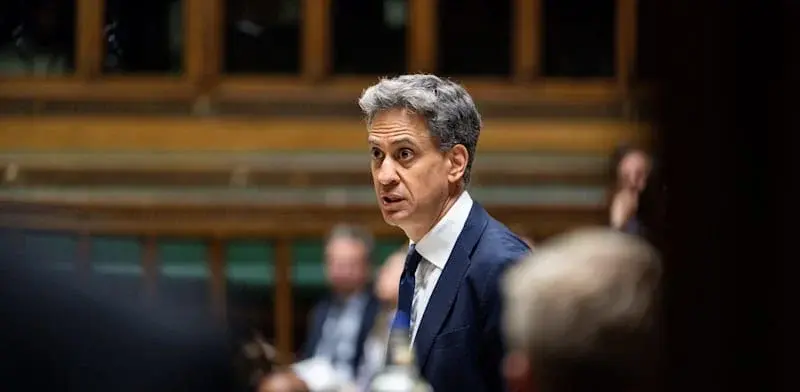
The UK government announced a broad package of sanctions against Israeli settlements despite internal warnings from diplomats and intelligence agencies that the move could damage security cooperation and inadvertently boost the Israeli right-wing ahead of October 27 elections. While London cited the collapse of the two-state solution as justification, sources indicate officials were advised to delay action until after the Israeli vote. The decision has strained relations with Jerusalem and raised concerns about the future of intelligence sharing between the two nations.
Key points
- UK Foreign Secretary Ed Miliband and Prime Minister Andy Burnham proceeded with sanctions despite warnings from MI6 and senior diplomats that the timing could harm intelligence cooperation and benefit Benjamin Netanyahu’s election campaign.
- The sanctions package includes bans on imports from settlements, stricter defense export controls, and penalties for individuals involved in incitement against Palestinians.
- Israel’s Foreign Minister Gideon Sa’ar requested a delay until after the October 27 election, arguing that a new government might emerge, but the UK rejected this request.
- British officials believed Israel had promised to pause construction in the E1 area near Jerusalem, a claim Israel denies, highlighting a breakdown in diplomatic trust.
- The move was supported by 11 European nations and Canada but criticized by Israeli leaders and some British political figures who fear it will backfire by uniting Israeli voters against the government.
Background
This development follows months of pressure from over 100 former British and French diplomats who urged London and Paris to impose sanctions to preserve the possibility of a Palestinian state. The current crisis is part of a broader deterioration in UK-Israel relations, which had already seen tensions over arms transfers and military cooperation. The timing coincides with heightened regional instability, including previous intelligence-sharing disputes regarding the October 7, 2023, Hamas attack, where UAE warnings to Israel were a subject of public debate.
How outlets are covering it
The New York Times emphasizes the diplomatic breakdown, noting that British officials misinterpreted Israel’s stance on E1 construction, leading to a loss of trust. Globes highlights the internal dissent within the UK government, where MI6 and diplomats warned that sanctions could dry up critical intelligence flows from Israel, a capability difficult to replace with Arab counterparts. The Jerusalem Post frames the sanctions as a political maneuver to influence Israeli voters, arguing that the move ignores the security threats Israel faces and may inadvertently strengthen the right-wing coalition. While all sources agree the sanctions are significant, they differ on the primary driver: strategic miscalculation (NYT), intelligence risk (Globes), or political opportunism (JPost).
Why it matters
The sanctions signal a potential shift in Western policy toward Israel, moving from diplomatic pressure to economic and legal penalties. If intelligence cooperation deteriorates as warned, it could impact security not only for Israel but also for the UK and its allies in the Middle East. The timing ahead of Israeli elections adds a layer of geopolitical risk, as the sanctions may alter the political landscape in Israel, potentially leading to a more confrontational government that is less willing to engage with Western partners.
What to watch
The UK is expected to implement the sanctions in phases, starting with import bans and defense export controls. Israel is considering retaliatory measures, including closing the British consulate in Jerusalem. The outcome of the October 27 Israeli election will be critical; a victory for the right-wing could lead to a further deterioration in relations, while a change in government might open channels for dialogue. The effectiveness of the sanctions will depend on enforcement and the willingness of other nations to follow the UK’s lead.
- Diplomats, MI6 warned UK gov't on Israel sanctions - report Globes - Israel Business News
- Inside the Breakdown of U.K.-Israel Relations Over West Bank Settlements The New York Times
- 'Made in Israel?' • Mislabeled settlement goods could push Europe's trade bans over the Green Line Haaretz
- British sanctions, ‘NAZA’ and the campaign against Israel jpost.com
- Finkelstein urges Miliband to ‘enforce the law’ against Israel The New Arab
Want the full story? Read the original reporting
Read on Globes - Israel Business News