
White House Ballroom Architect Resigns After Trump Dismisses Fire Safety Warnings
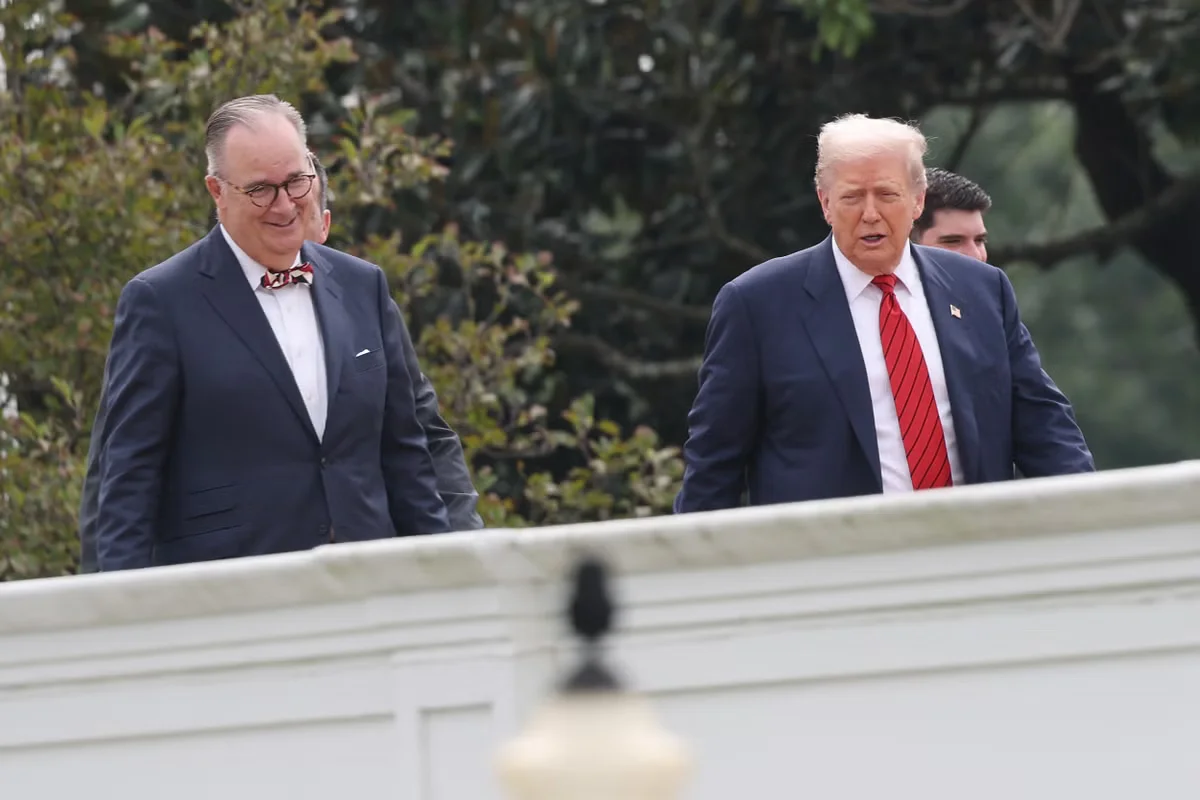
James McCrery II, the lead architect for the White House ballroom, resigned in October 2025 after President Donald Trump dismissed concerns that the design violated fire and safety codes. Trump reportedly stated that building codes did not apply to the White House, asserting 'I am the code.' The project, managed outside standard federal oversight, continues despite unresolved safety questions and legal challenges.
Key points
- James McCrery II resigned from the White House ballroom project in October 2025, the same week the historic East Wing was demolished.
- McCrery warned that the design failed to meet fire safety codes, including insufficient emergency exits and risks of fire spreading from the kitchen to the event space.
- President Trump dismissed these concerns, claiming that building codes do not apply to the White House and stating 'I am the code.'
- The project is being managed through the Executive Residence office, bypassing federal agencies that typically ensure compliance with safety standards.
- Internal documents reviewed by The Washington Post show administration officials continued to discuss 'life safety' issues months after McCrery's departure, with one note stating 'Life safety — needs POTUS buy in.'
- The White House denied that McCrery's departure was related to code issues, calling such claims 'factually false and totally inaccurate.'
Background
The White House ballroom project has faced multiple legal challenges since its inception, including a federal appeals court ruling that construction must stop due to lack of congressional approval. In August 2026, a secret bunker beneath the White House was revealed, undermining Trump's justification that the ballroom is necessary for national security. The project has also been criticized for its scale and cost, with a $500 million no-bid contract awarded to Clark Construction. McCrery's resignation is the latest in a series of controversies surrounding Trump's vanity projects, including the Reflecting Pool and the Triumphal Arch, which have faced similar issues with oversight and safety.
How outlets are covering it
The Washington Post and The Independent emphasize the safety concerns raised by McCrery and Trump's dismissal of building codes, framing the incident as a potential risk to public safety. New York Magazine's Intelligencer highlights the national security implications, arguing that the disregard for safety codes poses a direct threat to those using the ballroom. Mother Jones focuses on the broader pattern of Trump's ego-driven construction projects, noting that the ballroom is part of a series of vanity projects that have faced similar issues with oversight and safety. The White House and Clark Construction, in contrast, deny that safety issues were a factor in McCrery's departure and assert that the project complies with all relevant codes.
Why it matters
The resignation of the White House ballroom architect and the subsequent dismissal of safety concerns by President Trump raise significant questions about the oversight and safety of federal construction projects. The project's management outside standard federal oversight and the unresolved safety issues could have serious implications for the safety of those using the ballroom. Additionally, the incident highlights the broader pattern of Trump's vanity projects, which have faced similar issues with oversight and safety, and raises questions about the administration's commitment to public safety and compliance with federal regulations.
What to watch
The White House ballroom project is expected to continue, with Clark Construction and Shalom Baranes Associates working to ensure compliance with building codes. The administration may face further legal challenges over the project's authorization and safety, and the unresolved safety issues could lead to increased scrutiny from federal agencies and the public. The project's completion and the resolution of safety concerns will be closely watched, given the potential risks to public safety and the broader implications for federal construction oversight.
- Trump’s ballroom architect quit after president dismissed safety concern with the design: report independent.co.uk
- ‘I am the code’: Trump clashed with ballroom architect over safety issues The Washington Post
- Trump’s Shoddy Ballroom Design Is the Real National Security Threat nymag.com
- Report: Ballroom Architect Bailed After Trump Ignored Warnings Newser
- Trump to Ballroom Architect: “I Am the Code” Mother Jones
Want the full story? Read the original reporting
Read on independent.co.uk