
King Charles and Diana's Brother Clash Over 1997 Death Claims in New Memoir
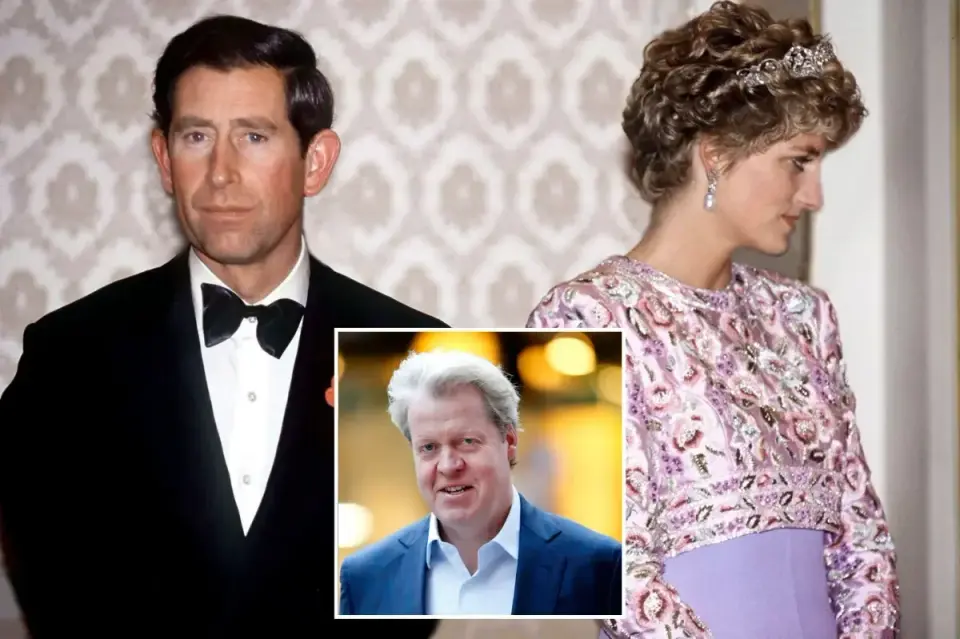
A bitter public dispute has erupted between King Charles III and Earl Charles Spencer, Princess Diana’s brother, over excerpts from Spencer’s upcoming memoir, 'Swan Song: Diana, My Sister.' Spencer alleges that Charles reacted with 'giddily elated' indifference to Diana’s 1997 death and told him, 'Rest assured, we’ll forget her soon enough,' while objecting to having Princes William and Harry walk in her funeral procession. Buckingham Palace issued a rare, firm statement suggesting that 'fraternal grief can cloud reason, affect judgment and colour memory,' echoing a similar response from Queen Elizabeth II in 2021. The book, set for release on September 22, 2026, also includes claims that Charles told Diana he was not in love with her before their 1981 wedding and that Diana suffered from ADHD and Rejection Sensitive Dysphoria. The controversy coincides with Prince Harry’s return to the UK and a crowded schedule of royal engagements, intensifying scrutiny of the monarchy’s public image.
Key points
- Earl Charles Spencer, 62, is set to publish 'Swan Song: Diana, My Sister' on September 22, 2026, marking his first public account of his sister’s death.
- Spencer claims King Charles III sounded 'giddily elated' and 'like a lottery winner' after learning of Diana’s death in August 1997, suggesting he was relieved to marry Camilla Parker Bowles.
- Spencer alleges Charles told him, 'Rest assured, we’ll forget her soon enough,' after Spencer objected to Princes William and Harry, then 15 and 12, walking behind Diana’s coffin in London.
- Buckingham Palace issued a statement saying, 'His Majesty is mindful that the pain of fraternal grief can cloud reason, affect judgment and colour memory in ways others do not recognise, even many years after such a loss.'
- Spencer claims Charles told Diana before their 1981 wedding that he was 'happy' to marry her but not in love with her, and that Diana suffered from ADHD and Rejection Sensitive Dysphoria.
- Spencer claims Diana drove to Beachy Head, England’s highest chalk sea cliff, 'more than once' and contemplated suicide, only deterred by her children.
Background
This dispute follows a pattern of public confrontations between the Spencer family and the royal household, most notably the 2021 Oprah interview by Prince Harry and Meghan Markle, which prompted Queen Elizabeth II to state that 'recollections may vary.' The current clash resurfaces long-standing tensions over the handling of Diana’s funeral and the public perception of the royal family’s emotional response to her death. Previous archive coverage from September 17, 2026, noted that the Palace’s statement was seen as a measured but firm pushback, and that the controversy was expected to overshadow multiple royal engagements. The book’s release also follows the return of Prince Harry and Meghan Markle to the UK, adding further scrutiny to the royal family’s internal dynamics.
How outlets are covering it
Page Six and the Daily Mail emphasize the 'savage war of words' and the 'unprecedented broadsides' from Earl Spencer, framing the dispute as a direct attack on King Charles’s character. CNN focuses on the specific claim that Charles sounded 'giddily elated' after Diana’s death, highlighting the emotional impact of the allegation. The Boston Herald notes that the Palace’s response was 'uncharacteristically' strong and compared it to Queen Elizabeth II’s 2021 statement, suggesting a strategic effort to protect the monarchy’s image. The BBC provides a broader context, noting that the dispute threatens to overshadow a crowded day of royal events and that Julian Payne, the King’s former communications secretary, called the alleged comments 'just not language that I recognise.' The BBC also notes that Prince Harry has previously expressed mixed feelings about walking in his mother’s funeral procession, adding complexity to the narrative. Overall, the outlets agree that the Palace’s response was unusual and firm, but differ in their emphasis: Page Six and the Daily Mail focus on the emotional and personal attacks, while the BBC and Boston Herald focus on the institutional and historical context of the dispute.
Why it matters
The dispute between King Charles III and Earl Charles Spencer over the 1997 death of Princess Diana has significant implications for the public perception of the British monarchy. The allegations of insensitivity and indifference from the King, if believed, could further erode public trust in the royal family, particularly among those who view the monarchy as out of touch with public sentiment. The Palace’s firm response, while intended to protect the King’s image, may be seen as defensive and could fuel further criticism. The timing of the dispute, coinciding with Prince Harry’s return to the UK and a busy schedule of royal engagements, adds to the scrutiny and could distract from the monarchy’s public service and charitable work. The broader implications include potential long-term damage to the monarchy’s reputation and the ongoing tension between the royal family and the Spencer family, which has persisted for decades. The dispute also highlights the challenges of managing public perception in the age of social media and 24-hour news, where even long-past events can resurface and dominate the news cycle.
What to watch
The book 'Swan Song: Diana, My Sister' is set for release on September 22, 2026, which is expected to generate significant media attention and public debate. The Palace may issue further statements or take legal action if the book contains defamatory claims. Prince Harry and Meghan Markle’s return to the UK and their upcoming engagements will likely be closely monitored for any signs of tension or support for Earl Spencer’s claims. The King’s upcoming public appearances, including his address on AI and Prince William’s visit to Scotland, will be scrutinized for any signs of the dispute affecting the monarchy’s public image. The dispute may also influence public opinion polls and media coverage of the royal family in the coming months, potentially affecting the monarchy’s long-term stability and public support.
- 'Bellowing buffoon' King Charles locked in savage war of words with Princess Diana’s brother Page Six
- Princess Diana’s brother claims Charles sounded ‘giddily elated’ the night of her death CNN
- King Charles denies claim he said Princess Diana would soon be forgotten Boston Herald
- Palace in war of words with Earl Spencer over claims in Diana book BBC
- Princess Diana Claimed King Charles ‘Is in Love with His Valet,’ Charles Spencer Says in Book People.com
Want the full story? Read the original reporting
Read on Page Six