
Steelers Trade Porter to Cowboys, Igniting Debate Over Rigid Contract Policies
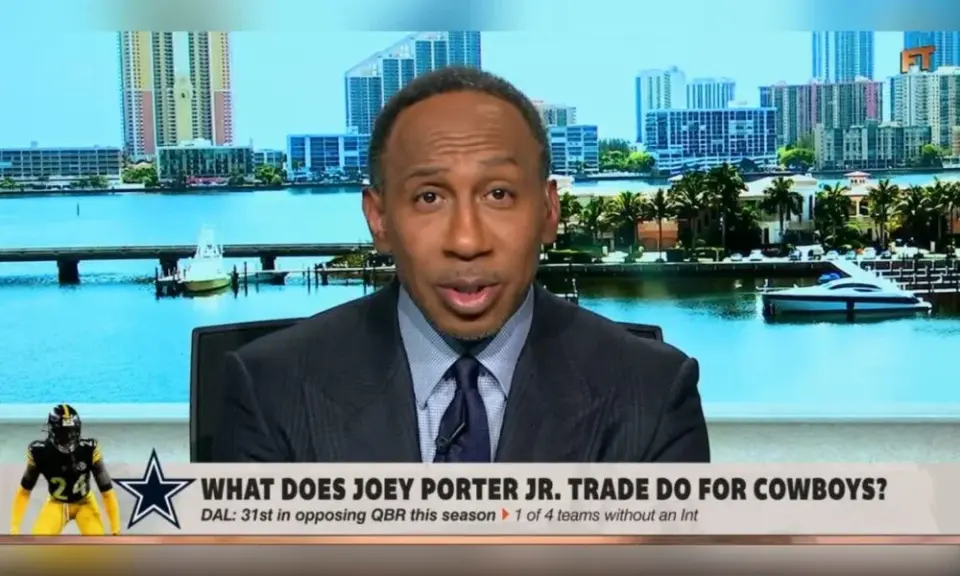
The Pittsburgh Steelers traded cornerback Joey Porter Jr. to the Dallas Cowboys on October 1, 2026, ending a season-long standoff over a contract extension. The move resolved a dispute where Porter, who missed early-season games due to a back injury and lack of a new deal, felt undervalued by Pittsburgh. While the trade secured Porter a fresh start, it sparked criticism regarding the Steelers' refusal to negotiate during the regular season.
Key points
- The Steelers traded Joey Porter Jr. to the Cowboys for a 2028 second-round pick and a 2027 sixth-round pick.
- Porter had missed the start of the 2026 season due to a back injury and a failed contract negotiation, with Pittsburgh offering approximately $27 million per year.
- Stephen A. Smith criticized the Steelers for their rigid policy against in-season negotiations, arguing the team is 'unexceptional' and has not been championship-relevant in over a decade.
- Dallas owner Jerry Jones expressed optimism about Porter's potential, comparing the move to the acquisition of George Pickens, though no immediate long-term extension was offered.
- Porter stated he felt 'disrespected' and 'undervalued' by the Steelers but expressed excitement about the opportunity to play for Dallas.
Background
Prior to the trade, the Steelers and Porter Jr. were locked in a dispute that began in the offseason. Our archive indicates that Pittsburgh offered two contracts, both of which Porter rejected, leading to trade speculation. By late September, Porter had returned to practice but remained on the physically unable to perform list, with analysts suggesting the Steelers might trade him for draft capital if no deal was reached. The trade finalized on October 1, 2026, concluded this standoff.
How outlets are covering it
Stephen A. Smith, via Steelers Depot, argued that the Steelers' refusal to negotiate in-season is a sign of an organization that is no longer a 'gold standard,' noting they have not won a playoff game since 2016. Conversely, the Dallas Cowboys, through their official site, emphasized the 'win now' aspect of the trade, with Jerry Jones highlighting Porter's athletic skills and the potential for him to find his level of ability. Bleacher Report focused on the broader implications for other players seeking a change of scenery, noting that while Dallas did not offer an immediate extension, their willingness to pay core players contrasts with Pittsburgh's stance. ESPN's coverage was unavailable due to a server error, but other outlets noted that the root cause was a valuation gap, not just the negotiation timeline.
Why it matters
The trade highlights the risks of rigid organizational policies in the NFL. By refusing to negotiate during the season, the Steelers lost a key player to a direct competitor, potentially weakening their defense. For the Cowboys, acquiring Porter addresses a secondary need, though the lack of a long-term extension suggests the deal is a short-term solution. The incident also underscores the tension between player valuation and team financial strategies in the current NFL landscape.
What to watch
The Cowboys will monitor Porter's physical readiness for the Week 4 game against the Houston Texans, requiring him to 'stack a second day' in practice. Jerry Jones indicated the team is open to a long-term deal if Porter performs well, but no immediate extension was offered. For the Steelers, the focus shifts to managing their roster without Porter, while the broader NFL may see other players seek changes of scenery if similar contract impasses arise.
- ‘The Steelers Are Unexceptional’: Stephen A. Smith Upset About Joey Porter Jr. Trade Steelers Depot
- Joey Porter happy for fresh start with Cowboys, eyes Sunday debut ESPN
- Jerry Jones, Brian Schottenheimer update Joey Porter Jr.'s status vs. Texans Dallas Cowboys | Official Site of the Dallas Cowboys
- NFL Players Who Could Use a Change of Scenery After Steelers Trade Joey Porter Jr. to Cowboys bleacherreport.com
- Mike McCarthy doesn’t know whether the Joey Porter Jr. trade affected the team NBC Sports
Want the full story? Read the original reporting
Read on Steelers Depot