
Fairphone 6+ Launches in US, Challenging Apple and Samsung with Repairable Design
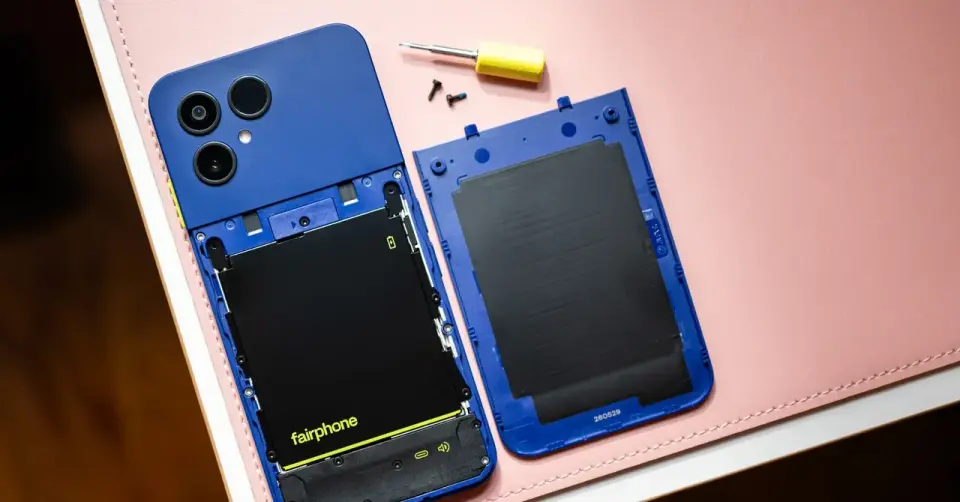
Dutch company Fairphone has officially launched its Gen 6+ smartphone in the United States, marking the first time the brand has sold its flagship device directly to US consumers. Priced at $650, the phone features a modular design with 12 replaceable parts, a 5-year warranty, and software support until 2033. While it offers superior repairability and sustainability, reviewers note it lacks the performance and camera quality of competitors like the Google Pixel 10a.
Key points
- The Fairphone Gen 6+ is now available in the US for $650, sold via Fairphone.com and Amazon, with carrier support for T-Mobile and AT&T.
- The device includes a screwdriver and 12 modular components, including a $90 replacement screen and $40 battery, maintaining a 10/10 iFixit repairability score.
- Hardware upgrades include a Qualcomm Snapdragon 7s Gen 4 processor and 12GB of RAM, up from the previous generation, alongside a new 'Cobalt Blue' color option.
- The phone is made from over 50% fair-trade or recycled materials and is certified as 100% e-waste neutral, with a carbon footprint of approximately 30kg CO2.
- A version running Murena's /e/OS is available for $699, offering a 'de-Googled' experience, while the standard Android 16 version includes a physical switch for a minimal 'Moments' interface.
Background
Fairphone has sold its devices in Europe for over a decade but previously only offered them in the US through third-party partners like Murena, which forced buyers to use non-standard software and paid a premium of $899 for the Gen 6. The company expanded to the US market in late 2025 with audio products like the Fairbuds XL. This launch follows a trend of other brands, such as OnePlus and HMD Mobile, exiting the North American market due to the dominance of carrier sales, which account for 66% of smartphone purchases.
How outlets are covering it
WIRED emphasizes the strategic shift toward mainstream consumers, noting a 74% increase in shipments in the first half of 2026 and CEO Raymond van Eck’s argument that Americans are exhausted by planned obsolescence. The Verge highlights the pricing advantage, noting the US price is lower than the previous third-party offering, and confirms the device’s mid-range performance. Engadget focuses on the sustainability metrics, citing the smallest carbon footprint of any Fairphone model yet. The Telegraph provides a critical hardware review, praising the ease of self-repair but criticizing the weak battery life (lasting 21 hours in tests) and poor camera performance compared to the Google Pixel 10a. While WIRED and Engadget frame the launch as a victory for right-to-repair advocates, The Telegraph suggests the phone is a niche product for those prioritizing longevity over performance.
Why it matters
The US launch of the Fairphone Gen 6+ challenges the duopoly of Apple and Samsung by offering a viable alternative for consumers concerned with sustainability and repair costs. With a 5-year warranty and affordable parts, it counters the high cost of repairs for major brands, such as the $329 screen replacement for the iPhone 17. This move may pressure larger tech companies to improve their own repairability standards, as advocates argue there is no technological barrier to creating modular devices.
What to watch
Fairphone plans to launch the Fairbuds 2 wireless earbuds in the fourth quarter of 2026, which the company claims will set new standards for repairability and performance. The company is also in discussions with major carriers and mobile virtual network operators to expand its distribution beyond direct sales and Amazon. Fairphone intends to maintain its two-year release cadence for smartphones, resisting the industry trend of annual updates, while continuing to support the Gen 6+ with software updates through 2033.
- Exclusive: You Can Finally Buy a Fairphone—a Sustainable, Repairable Smartphone—in the US WIRED
- Fairphone’s latest repairable phone is going on sale in the US The Verge
- Fairphone Is Finally Releasing Its First Official Handset In The US Engadget
- Fairphone 6+ review: I took apart the new phone you can fix yourself (and it should last years) The Telegraph
- Fairphone is launching its latest repairable phone in the US too TechCrunch
Want the full story? Read the original reporting
Read on WIRED