
Meta’s $1.4 Trillion Trial Begins in Oakland as States Demand Platform Overhaul
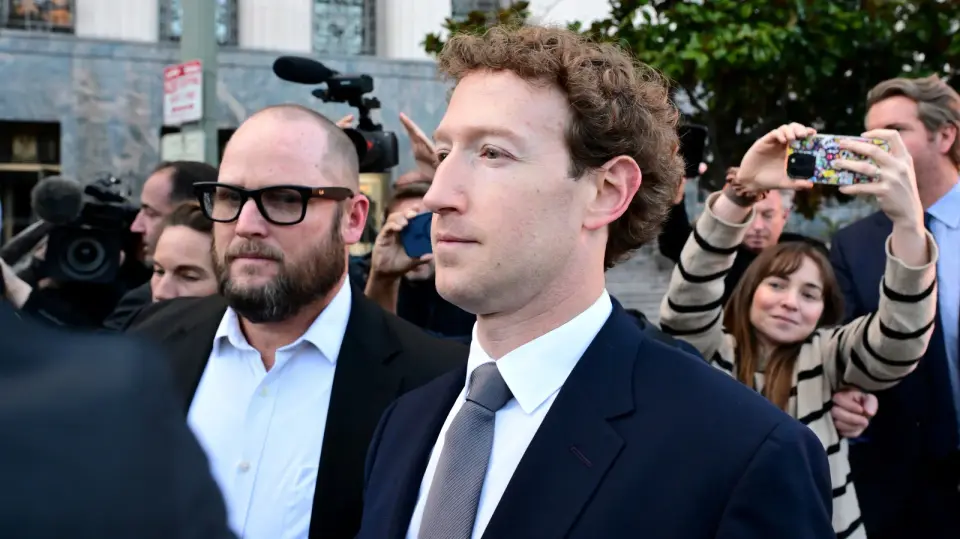
A federal trial in Oakland, California, begins on August 18, 2026, involving 29 state attorneys general suing Meta over alleged violations of the Children’s Online Privacy Protection Act (COPPA) and state consumer protection laws. The states accuse Meta of intentionally designing addictive features for minors and misleading the public about platform safety. While Meta disputes the claims as unsubstantiated, the trial carries the potential for penalties up to $1.4 trillion and mandatory structural changes to Instagram and Facebook, including the removal of infinite scroll and like counts. Judge Yvonne Gonzalez Rogers presides over the case, which follows recent adverse rulings in New Mexico and Los Angeles that have already imposed significant fines and operational restrictions on Meta.
Key points
- The trial commenced on August 18, 2026, in Oakland, California, with an eight-member advisory jury and is expected to last six weeks.
- Twenty-nine states, led by California, Colorado, Kentucky, and New Jersey, allege Meta violated COPPA by collecting data from users under 13 without consent and misled consumers about app safety.
- Meta faces potential penalties estimated between $200 billion and $1.4 trillion, though Judge Gonzalez Rogers has called the higher figure 'unreasonable' and Meta’s $4 million estimate too low.
- Plaintiffs seek injunctive relief requiring Meta to delete under-13 data, remove addictive features like infinite scroll and autoplay, and implement parental verification for teens.
- Meta’s CEO Mark Zuckerberg and Instagram head Adam Mosseri are expected to testify, continuing a pattern of executive testimony in recent youth-safety trials.
- Meta has already lost cases in New Mexico and Los Angeles, resulting in fines totaling over $900 million and orders to improve age-assurance models and reporting tools.
Background
This trial follows a wave of litigation in 2026 regarding social media’s impact on youth mental health. Earlier in the year, Meta faced a $6 million verdict in Los Angeles and a $942 million judgment in New Mexico, where a judge declared the company a 'public nuisance.' Meta has also settled with other platforms like YouTube, TikTok, and Snap in related cases. The current trial is part of a broader legal strategy by state attorneys general to bypass Section 230 protections by focusing on platform design rather than user-generated content. Meta has spent $2.4 billion on legal costs in the second quarter of 2026 alone, reflecting the escalating financial burden of these lawsuits.
How outlets are covering it
Engadget emphasizes the financial scale of the potential $1.4 trillion penalty and Meta’s characterization of the demand as 'outlandish.' CNBC highlights the strategic significance of the California trial, noting that a loss there could force fundamental algorithmic changes and impact Meta’s AI funding capabilities, with New Mexico’s AG calling the potential consequences 'astronomical.' BBC focuses on the operational implications, detailing specific demands to remove features like like counts and beauty filters, and cites internal Meta research linking these features to social comparison and depression. All sources agree on the core allegations but differ in emphasis: Engadget and Meta focus on the legal and financial dispute, while CNBC and BBC stress the potential for permanent structural changes to the platforms.
Why it matters
The outcome of this trial could set a precedent for how social media platforms are regulated in the United States. If Meta is forced to remove core engagement features or pay massive fines, it could reshape the business model of the entire industry. The case also tests the limits of state power to override federal privacy protections and Section 230, potentially leading to a new era of mandatory design standards for digital services used by minors.
What to watch
The trial is expected to conclude in late September 2026. Testimony from Mark Zuckerberg and Adam Mosseri will be a key focus. Following the trial, Judge Gonzalez Rogers will issue a final verdict and determine penalties, which could range from hundreds of millions to potentially trillions of dollars. Meta has indicated it will appeal any adverse rulings, as it has done in previous cases. The states may also pursue legislative changes if the court does not order the specific design alterations they seek.
- Meta Faces A $1.4 Trillion Reckoning In Latest Trial Over Social Media Addiction Engadget
- Meta faces ‘astronomical’ consequences as legal fight reaches critical moment in California CNBC
- Meta heads to trial over alleged social media addiction, risks to children Fox Business
- Meta heads to court in a landmark trial about kids and social media addiction NPR
- If Meta loses this trial, Instagram and Facebook could change forever bbc.com
Want the full story? Read the original reporting
Read on Engadget