
NSA's Classified Network Outage Disrupts Middle East Ops Amid AI-Driven Patching Rush
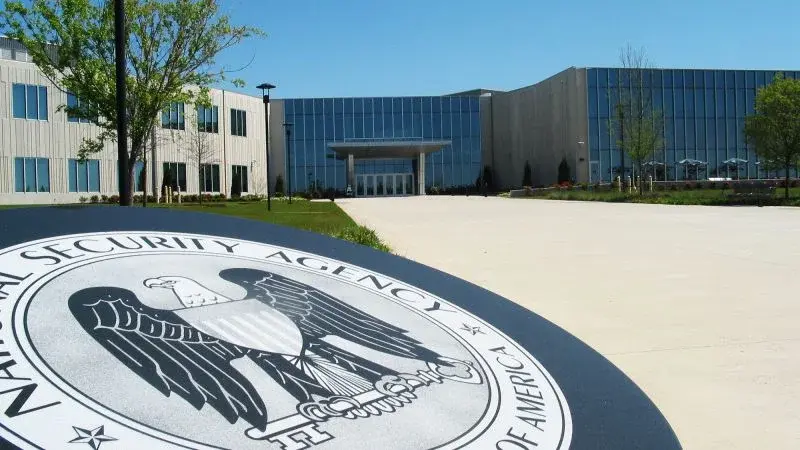
The National Security Agency's classified internal network, NSANet, experienced a multi-day outage starting Tuesday, November 17, 2026, disrupting operations at its Georgia facility that supports Middle East intelligence. While the agency attributes the issue to routine maintenance and software patching, the disruption has highlighted vulnerabilities in legacy systems. Officials confirm that mission-critical intelligence gathering remains functional, and the incident is not a cyberattack.
Key points
- NSANet, the NSA's classified email and communication system, went offline on Tuesday, November 17, 2026, affecting staff at Fort Meade, Maryland, and a cryptologic center in Georgia.
- The outage disrupted internal communications for operations focused on the Middle East, where the US is engaged in a conflict with Iran, though backup systems allowed continued information sharing.
- The NSA stated the disruption was caused by 'temporary degradation during scheduled routine maintenance' and that mission-critical capabilities remain fully operational.
- Director of National Intelligence Jay Clayton and other officials confirmed the outage was not a cyberattack, noting distinct causes for recent tech failures across the government and private sector.
- The incident is linked to a surge in software patching driven by AI-discovered vulnerabilities in PHP, a programming language used by 70% of websites, creating pressure to update legacy systems rapidly.
Background
This incident follows a series of high-profile technology failures in the US over the past week, including a nationwide air traffic ground stop, a JPMorgan Chase technical issue, and outages at United Airlines and Apple services. Previous coverage from our archive on November 17 and 18 noted that the NSA's NSANet outage was initially reported as a routine patching issue, with no evidence of malicious activity. The current development adds detail on the specific impact on Middle East operations and the role of AI in accelerating the vulnerability discovery process.
How outlets are covering it
The NSA and top administration officials, including Secretary of State Marco Rubio and DNI Jay Clayton, emphasize that the outage was a result of routine maintenance and system upgrades, not a cyberattack. They stress that mission-critical capabilities remain intact and that the recent tech failures are distinct and unrelated to hostile actors. In contrast, CNN and AP News highlight the broader implications of the outage, particularly its impact on Middle East operations and the strain on legacy systems. CNN notes that the disruption underscores the repercussions of rapid AI adoption, which has accelerated the discovery of vulnerabilities, forcing agencies to patch systems at an unprecedented pace. Senator Mark Warner, a Democrat, supports the view that AI is creating pressure to patch vulnerabilities immediately, straining systems not built for such rapid change. The NSA's official statement downplays the issue as a temporary degradation, while critics and analysts point to the fragility of aging infrastructure in the face of AI-driven security demands.
Why it matters
The NSA's outage highlights the growing tension between the rapid adoption of AI tools for cybersecurity and the stability of legacy government systems. As AI accelerates the discovery of vulnerabilities, agencies face pressure to patch systems quickly, risking disruptions to critical operations. This incident underscores the need for robust infrastructure and balanced approaches to integrating AI while maintaining system stability, especially in sensitive areas like signals intelligence and cybersecurity.
What to watch
The NSA is expected to continue its patching work to restore full access to NSANet, with officials noting that the process is proceeding slower than expected. Further updates on the status of the network and any additional disruptions may be released as the agency completes its maintenance. Congress and other oversight bodies may continue to scrutinize the incident, particularly in light of the broader tech failures and the role of AI in cybersecurity.
- NSA outage disrupts key intel hub that supports Middle East intelligence and operations, sources say CNN
- NSA statement on network issues National Security Agency (NSA) (.gov)
- Classified communications network at the National Security Agency goes down, defense official says AP News
- Classified U.S. Intelligence System Is Down, U.S. Officials Say WSJ
- WATCH: Intelligence official pressed to explain cause of National Security Agency outage PBS
Want the full story? Read the original reporting
Read on CNN