
Jason Arday, Cambridge professor at center of plagiarism dispute, found dead in London
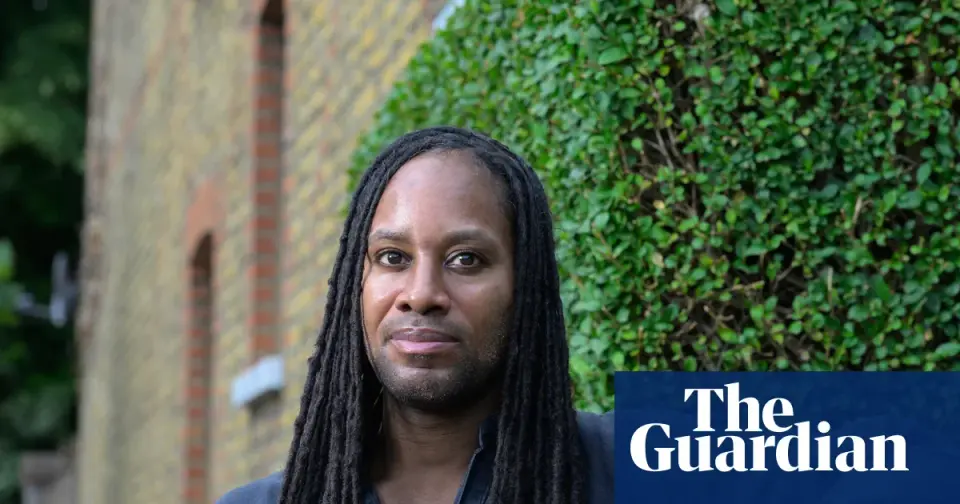
Jason Arday, the 41-year-old former professor of sociology of education at the University of Cambridge, was found dead at his home in Battersea, south London, on Friday afternoon. Emergency services discovered him unresponsive, and the Metropolitan Police pronounced him dead at the scene. Authorities are treating the death as unexpected but not suspicious. Arday resigned from his position last week following a prolonged controversy involving allegations of plagiarism in his PhD thesis and inconsistencies in his personal and professional history. His family described the situation as a 'campaign of sustained abuse,' while Cambridge’s vice-chancellor expressed deep sadness. The incident has intensified debate within the academic community regarding the handling of the case and the role of public scrutiny.
Key points
- Jason Arday was found dead at his home in Battersea, south London, on Friday afternoon after being discovered unresponsive by the London Ambulance Service.
- The Metropolitan Police stated that Arday, aged 41, was pronounced dead at the scene and that the death is being treated as unexpected but not suspicious.
- Arday resigned from his position as professor of sociology of education at the University of Cambridge and Jesus College last week, citing the 'profound toll' of relentless public scrutiny and personal attacks.
- The controversy began with allegations by academic Nathan Cofnas regarding plagiarism in Arday’s work and questions about his claimed achievements, including fundraising and physical feats.
- Arday’s family accused those opposing him of waging a 'campaign of misinformation' and harassment, while London Mayor Sadiq Khan condemned the 'unacceptable public hounding' Arday faced.
- Cambridge University initially defended Arday but later launched an internal inquiry after receiving 'new information' about his qualifications, leading to his resignation despite the university’s stated support.
Background
Jason Arday’s appointment as a professor at the University of Cambridge in 2023 was widely celebrated as a progressive milestone, given his background as the university’s youngest-ever Black professor. He had previously held academic posts at the University of Glasgow and completed a doctorate at Liverpool John Moores University in 2015. The current controversy emerged after allegations of plagiarism in his PhD thesis and questions regarding the accuracy of his personal narrative, including claims about being nonverbal until age 11 and significant charitable fundraising. While an earlier investigation by Liverpool John Moores University upheld his PhD award, Cambridge launched its own inquiry in August 2026 after receiving new information. Arday’s memoir, 'Great and Unfortunate Things,' was published in the US this week, with a UK release scheduled for later in the month, despite the ongoing dispute.
How outlets are covering it
The Guardian and BBC both report the factual details of Arday’s death and the police response, emphasizing that the death is unexpected but not suspicious. However, they differ in emphasis regarding the cause of the controversy. The Guardian highlights the family’s statement describing a 'campaign of sustained abuse' and quotes London Mayor Sadiq Khan, who framed the situation as 'pernicious public shaming' and a 'wake-up call.' In contrast, the BBC provides more detail on the origin of the allegations, specifically naming Nathan Cofnas, a 'race realist' academic who was dismissed from Cambridge in 2024, as the source of the plagiarism claims. The BBC also notes that while some critics view the treatment of Arday as motivated by racism, others consider the plagiarism claims legitimate. Both sources agree that Arday’s resignation was driven by the personal cost of the scrutiny, but the Guardian places greater weight on the narrative of harassment, while the BBC balances this with the academic dispute over his credentials.
Why it matters
The death of Jason Arday has intensified a polarized debate within the UK academic community regarding the boundaries of scholarly criticism, the handling of misconduct allegations, and the potential for public scrutiny to have fatal consequences. The case highlights tensions between institutional support for diversity appointments and the rigorous standards expected in academic integrity. It also raises questions about the role of social media and public discourse in shaping academic careers, with supporters viewing Arday as a victim of targeted harassment and critics maintaining that the allegations of plagiarism and misrepresentation were valid. The incident has prompted Cambridge to launch an independent review and has drawn attention to the personal toll of public controversy on academics.
What to watch
The Metropolitan Police will prepare a file for the coroner following the investigation of Arday’s death. Cambridge University and the University of Glasgow are expected to continue their independent reviews of Arday’s academic credentials and qualifications. The UK publication of Arday’s memoir, 'Great and Unfortunate Things,' is scheduled for later this month, which may further fuel public and academic debate. The family has requested privacy and asked the press to cease the 'campaign of harassment,' while the academic community continues to grapple with the implications of the case for institutional integrity and the treatment of scholars.
- Jason Arday, professor at centre of Cambridge plagiarism row, found dead The Guardian
- Jason Arday, ex-Cambridge professor at centre of plagiarism row, found dead BBC
- Former History-Making Professor Found Dead at 41 amid Plagiarism Scandal and Days After Releasing New Book People.com
- Jason Arday obituary: youngest ever black Cambridge professor The Times
- Jason Arday, Cambridge Professor Accused of Plagiarism, Is Found Dead The New York Times
Want the full story? Read the original reporting
Read on The Guardian