
Clancy Defense Seeks Acquittal as Jurors Detail Holdout’s Defiance
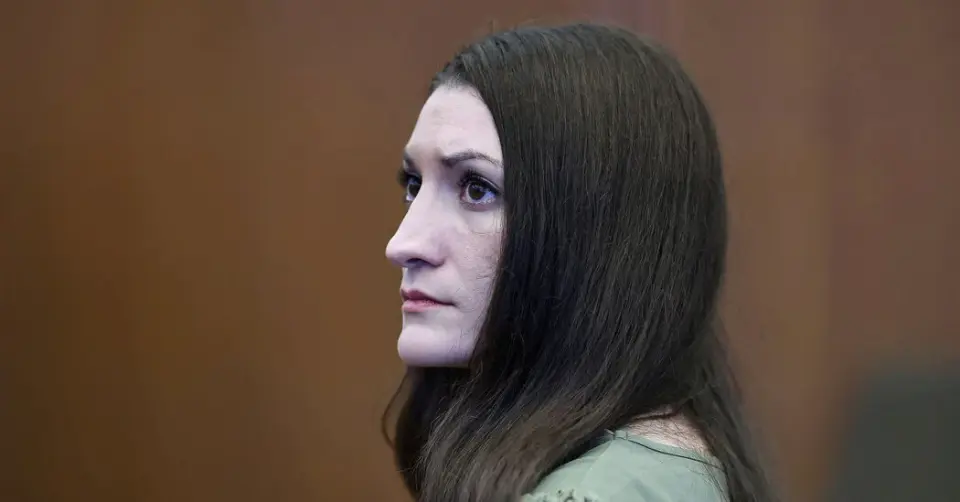
Lindsay Clancy’s defense attorney, Kevin Reddington, has asked a Massachusetts judge to declare her not guilty by reason of insanity following a mistrial caused by a single holdout juror. While 11 of the 12 jurors were prepared to acquit Clancy of criminal responsibility for killing her three children in 2023, the lone dissenting juror refused to agree, citing reasonable doubt. Jurors have since spoken out, describing the holdout as dismissive of evidence and resistant to persuasion. The prosecution has not yet decided whether to retry the case, while the defense argues the state failed to prove Clancy understood the wrongfulness of her actions.
Key points
- Defense attorney Kevin Reddington filed a motion on September 8, 2026, asking Judge William Sullivan to dismiss the murder charges and find Clancy not guilty by reason of insanity.
- The jury in Plymouth, Massachusetts, deliberated for seven days before declaring a mistrial on September 4, 2026, due to an 11-1 deadlock.
- Three jurors, including foreperson Roni Carlson, spoke to NBC Boston, stating the holdout juror refused to listen to the panel and ignored evidence regarding Clancy’s mental state.
- Juror Paula Devlin told CBS News that testimony from Dr. Phillip Resnick and Clancy’s ex-husband, Patrick Clancy, swayed her decision, while the holdout appeared to feel attacked during deliberations.
- Clancy, 36, admitted to strangling her children, Cora, Dawson, and Callan, in January 2023, and subsequently attempted suicide, leaving her paralyzed.
- A hearing on the defense’s motion is scheduled for September 29, 2026, while the Plymouth County District Attorney’s office has not announced whether it will seek a retrial.
Background
The trial of Lindsay Clancy for the 2023 murders of her three children in Duxbury, Massachusetts, had been closely watched due to the defense’s argument that she suffered from postpartum psychosis. Previous coverage noted that the holdout juror was described by other panel members as arrogant and disengaged, with some accounts suggesting he mimicked the killings during deliberations. The case highlights ongoing debates regarding the legal standards for criminal responsibility in cases involving severe mental illness.
How outlets are covering it
The New York Times frames the mistrial as a reflection of deep national divisions, noting that public reaction to the holdout juror was as polarized as the jury itself, with some viewing him as a hero and others as a pariah. NBC Boston and CBS News focus on the internal dynamics of the jury, with jurors describing the holdout as unresponsive to evidence and resistant to persuasion. The Guardian emphasizes the legal argument that the prosecution failed to prove Clancy knew her actions were wrong, highlighting the defense’s motion for acquittal. While all sources agree on the 11-1 deadlock, they differ in emphasis: The New York Times highlights the cultural impact, while the others focus on the procedural and legal implications of the holdout’s behavior.
Why it matters
The outcome of the pending motion and the decision by the prosecution to retry or not will set a precedent for how cases involving severe mental illness and filicide are handled in Massachusetts. The public scrutiny of the holdout juror’s conduct also raises questions about jury deliberation standards and the balance between individual dissent and collective decision-making in high-profile criminal cases.
What to watch
A hearing on the defense’s motion to dismiss is scheduled for September 29, 2026. The Plymouth County District Attorney’s office must decide whether to seek a retrial, while the defense has expressed openness to a plea deal involving lesser charges. If the judge grants the motion, Clancy would be acquitted; if denied, the case may proceed to a new trial or plea negotiations.
- The Holdout Juror in the Clancy Case Is a Rorschach Test for America The New York Times
- Lindsay Clancy Juror Reveals How Deliberations Shifted from 10-2 to 11-1 as Dissenters ‘Felt Attacked’ People.com
- Exclusive: 3 Lindsay Clancy jurors speak out on holdout, prosecution, defense and more NBC Boston
- Lindsay Clancy’s lawyer asks judge to find her not guilty after mistrial The Guardian
- Lindsay Clancy juror says Patrick Clancy's testimony swayed her decision, reveals more about lone holdout CBS News
Want the full story? Read the original reporting
Read on The New York Times