
North Carolina teen indicted for aiding San Diego mosque shooting via livestream
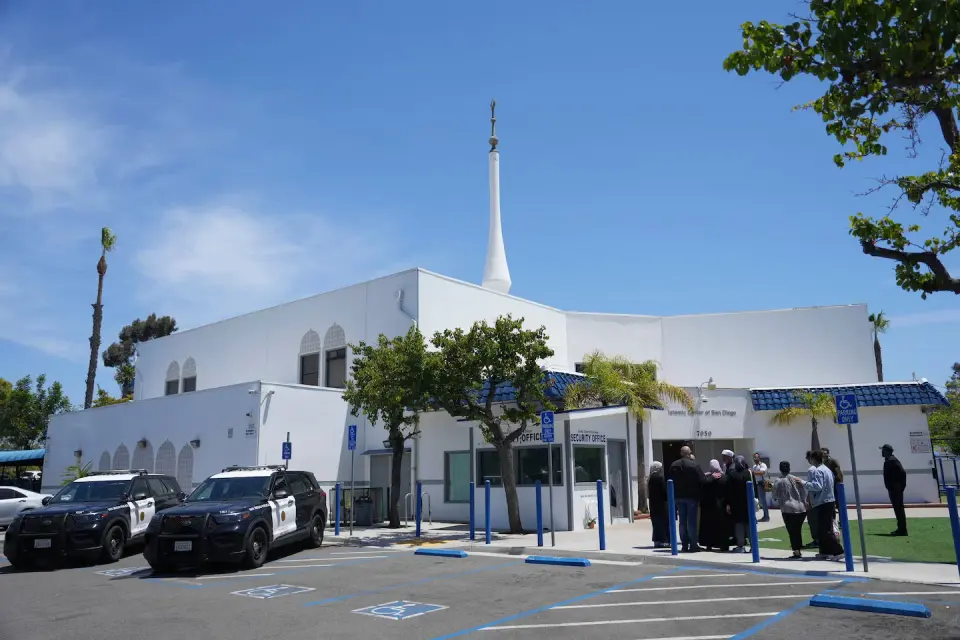
Sarah Lindsay Santiago, a 17-year-old from Winston-Salem, North Carolina, was indicted on three counts of murder and one count of conspiracy for allegedly aiding the May 18 attack on the Islamic Center of San Diego. Prosecutors claim she helped plan the assault, distributed the shooters' manifesto, and livestreamed the killing of three men. Although she was not physically present in California, authorities charged her under aiding and abetting laws. The investigation, which involved over 4 million messages, highlights concerns about online radicalization and the failure to report planned violence.
Key points
- Santiago was arrested last week and indicted by a Forsyth County grand jury on Monday.
- She faces adult trial charges, including three counts of murder and one count of conspiracy.
- Prosecutors allege she provided hate-themed patches to the shooters and released their manifesto.
- The investigation reviewed over 4 million messages and conducted more than 100 interviews.
- Santiago's defense attorney claims she is innocent and cites mental health and social media issues.
Background
The May 18 shooting at the Islamic Center of San Diego resulted in the deaths of security guard Amin Abdullah, caretaker Mansour Kaziha, and neighbor Nadir Awad. The two gunmen, Caleb Vazquez and Cain Clark, killed themselves shortly after the attack. Prior to the shooting, Vazquez had been flagged by school officials for concerning behavior, including an obsession with mass killings. This indictment is the first in the case, following months of investigation by local and federal law enforcement.
How outlets are covering it
The Washington Post emphasizes the legal principle that those who aid and abet crimes from afar are guilty, highlighting the distance between the defendant and the crime scene. The Los Angeles Times details the extensive investigation, noting the review of 4 million messages and the use of Signal for communication. NBC 7 San Diego focuses on the failure to report the planned attack, citing FBI officials who stated that credible knowledge of violence must be reported. The San Diego Union-Tribune provides the most comprehensive details, including the specific names of the victims, the planned targets (a synagogue and a high school), and the defense attorney's statement claiming Santiago's innocence. All sources agree on the core charges but differ in emphasis, with some focusing on the legal precedent and others on the online radicalization aspect.
Why it matters
This case underscores the growing concern about online radicalization and the role of social media in facilitating hate crimes. It highlights the legal challenges of prosecuting individuals who aid crimes remotely and the importance of reporting threats to law enforcement. The case also raises questions about the mental health and social media influence on young people, as noted by the defense attorney.
What to watch
Santiago's next court appearance is scheduled for September 21. She was denied bond and will be tried as an adult. The case may lead to further investigations into the online networks that radicalized the shooters and the defendant.
- 17-year-old girl charged with murder in livestreamed California mosque shooting The Washington Post
- Teen girl who livestreamed San Diego mosque shooting faces murder charges, prosecutors say Los Angeles Times
- Teen girl aided San Diego mosque shooters from North Carolina, prosecutors say NBC 7 San Diego
- North Carolina teen charged with murder in Islamic Center of San Diego shooting San Diego Union-Tribune
- North Carolina girl, 17, charged in role in California mosque attack Reuters
Want the full story? Read the original reporting
Read on The Washington Post