
Gloria Steinem Dies at 92; Public Figures Honor Legacy of Feminist Icon
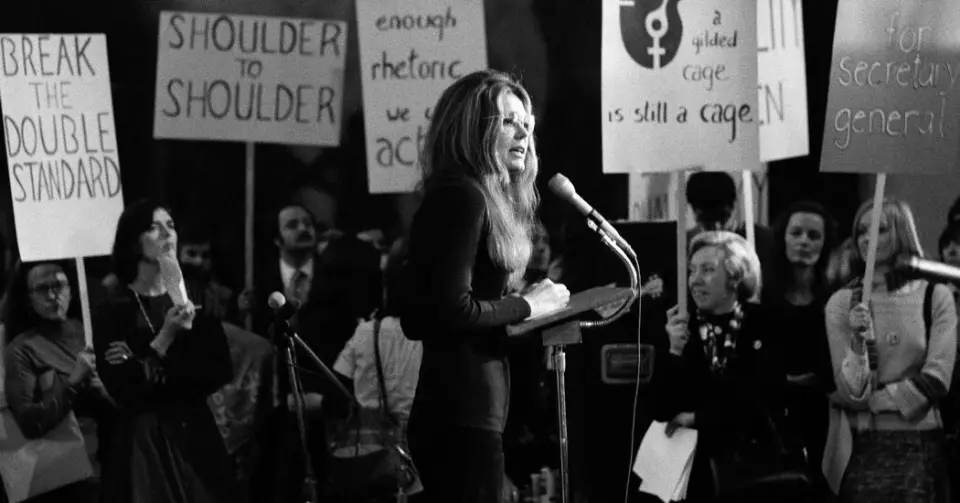
Gloria Steinem, the prominent feminist activist and co-founder of Ms. magazine, has died at the age of 92. Tributes from political figures and cultural icons highlight her decades-long advocacy for gender equality and reproductive rights. Her final essay, published in The New Yorker, emphasized the ongoing struggle for equality and the importance of remembering historical progress.
Key points
- Gloria Steinem died on Wednesday at age 92, marking the end of a career spanning over half a century.
- Former President Joe Biden and First Lady Jill Biden issued a joint statement praising her work on bodily autonomy and future decision-making.
- Hillary Clinton described Steinem as someone who 'pushed open doors' for millions of women, while Meghan Markle and Lena Dunham also offered tributes.
- Steinem’s final essay, released by The New Yorker, argued that equality is still the exception rather than the rule and urged readers to normalize equal laws and customs.
- The essay highlighted global disparities, noting that women perform the majority of work but receive only a third of global labor income.
Background
Steinem was a central figure in the second-wave feminist movement, known for her role in the 1970s Women's Strike for Equality and her co-founding of Ms. magazine. Her activism often intersected with broader social justice issues, including race and class, as noted in her reflections on her time in India. Recent archive entries show continued cultural engagement from figures like Lena Dunham, who has been involved in new theatrical projects, but the current news cycle is dominated by the mourning of Steinem's passing.
How outlets are covering it
The New York Times focused on the high-profile nature of the tributes, listing prominent figures such as Hillary Clinton, Meghan Markle, and Lena Dunham to underscore Steinem's broad influence across political and cultural spheres. In contrast, The New Yorker highlighted Steinem's intellectual legacy by publishing her final essay, which offered a more philosophical and global perspective on equality. While the NYT emphasized the celebratory and political reactions, The New Yorker presented Steinem's own voice, focusing on the structural and economic realities of gender inequality rather than just the public mourning.
Why it matters
Steinem's death marks the end of an era for the modern women's movement. Her advocacy helped shape legal and social frameworks for gender equality, and her final words serve as a reminder that progress is not guaranteed. The widespread tributes from diverse figures indicate her enduring impact on both political policy and cultural consciousness.
What to watch
Memorial services and further tributes are expected in the coming days. The publication of her final essay may reignite public debate on the current state of gender equality and the need for continued activism to prevent the reversal of past gains.
- Hillary Clinton, Meghan Markle, Lena Dunham and Others Pay Tribute to Gloria Steinem The New York Times
- Opinion | Why a Doctor Told Gloria Steinem: ‘You Must Promise Me Two Things’ The New York Times
- Gloria Steinem’s Final Essay newyorker.com
- In her final memoir, Gloria Steinem looked back with hope and planned to live to 100 AP News
- Gloria Steinem lived to see a powerful backlash against her vision of feminism The Seattle Times
Want the full story? Read the original reporting
Read on The New York Times