
El-Sayed Defeats Stevens in Michigan Senate Primary, Setting Progressive vs. Establishment Showdown for November
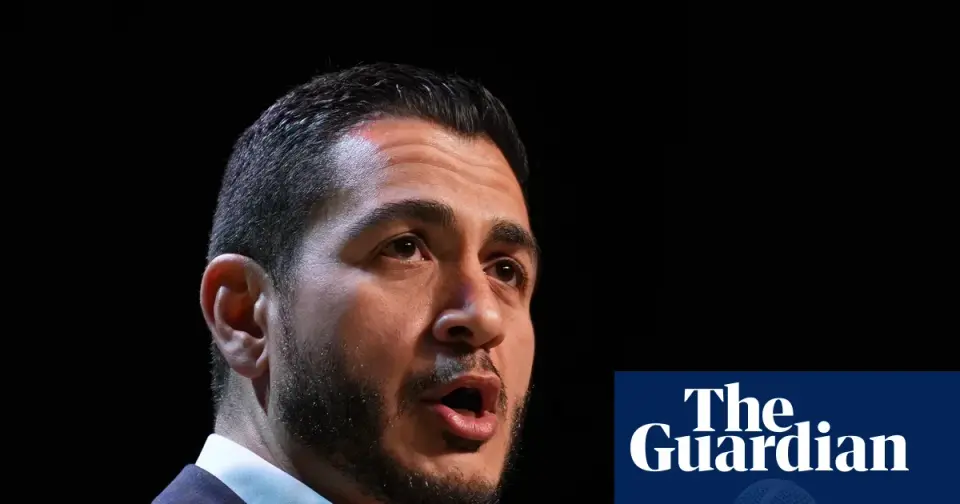
Abdul El-Sayed has won the Michigan Democratic Senate primary, defeating Congresswoman Haley Stevens in a closely watched contest. El-Sayed, a progressive former public health official, overcame a massive spending advantage for Stevens, who was backed by the American Israel Public Affairs Committee (AIPAC). The victory sets up a high-stakes November general election against Republican Mike Rogers, a race that could determine control of the US Senate. El-Sayed’s win marks a significant breakthrough for the progressive left in a key battleground state, while Stevens’s loss represents a setback for the Democratic establishment and AIPAC. Other primary results in Missouri, Kansas, Virginia, and Washington also saw mixed outcomes for progressive and moderate candidates.
Key points
- Abdul El-Sayed won the Michigan Democratic Senate primary, defeating Haley Stevens after a close race that was too close to call initially but ultimately projected to El-Sayed by NBC News.
- Stevens benefited from nearly $65 million in outside spending, including over $30 million from AIPAC, while El-Sayed relied on grassroots support and endorsements from Bernie Sanders and Alexandria Ocasio-Cortez.
- El-Sayed’s campaign focused on universal healthcare, reducing money in politics, and criticizing Israel’s actions in Gaza, which resonated with Michigan’s diverse population.
- The November general election will feature El-Sayed against Republican Mike Rogers, a former congressman who won the GOP nomination unopposed and is endorsed by President Donald Trump.
- In other states, progressive candidates won in Michigan’s 7th and 13th congressional districts, while moderate Democrats prevailed in Missouri and Washington, and a Trump-backed candidate lost in Michigan’s 8th district to a candidate who had previously dropped out.
- Missouri voters rejected a ballot amendment that would have made it harder to pass citizen initiatives, a trend consistent with recent rejections of similar measures in other states.
Background
Prior to the primary, polls showed a tight race between El-Sayed and Stevens, with Stevens holding a narrow lead in early July. The contest was seen as a barometer for the Democratic Party’s direction, pitting a progressive challenger against an establishment-backed incumbent. El-Sayed had previously faced criticism for remarks about potential 2028 challenges to other Democrats, which Stevens used to question his focus on Michigan-specific issues. The broader context includes a national trend of progressive gains in blue states, but El-Sayed’s win in a purple battleground state like Michigan is a notable departure from that pattern.
How outlets are covering it
The Guardian emphasized the closeness of the race and El-Sayed’s call for party unity against the Republican nominee, highlighting the emotional intensity of the election night events. NBC News focused on the financial disparity, noting that Stevens and her allies spent nearly nine times as much on advertising as El-Sayed, and framed the result as a Midwest beachhead for the progressive left. CNN highlighted the broader implications for the Democratic Party, questioning whether El-Sayed’s win proves that progressive candidates can succeed in battleground states or if it will be a liability in the general election. The Detroit Free Press provided a factual summary of the results without extensive analysis, focusing on the outcomes of the Senate and House races. All sources agree on the outcome but differ in their emphasis on the role of outside spending, the ideological significance of the win, and the potential impact on the November general election.
Why it matters
The Michigan Senate race is crucial for Democrats’ hopes of regaining control of the Senate in November. El-Sayed’s victory signals a shift in the Democratic Party’s base and could influence the party’s strategy in other battleground states. The outcome also has implications for the future of the progressive movement within the Democratic Party, as it tests whether candidates with strong ideological positions can win in competitive races. Additionally, the defeat of a candidate backed by AIPAC may weaken the organization’s influence in Democratic primaries, particularly as public opinion on Israel has shifted. The November general election against Mike Rogers will be a key test of El-Sayed’s electability in a swing state, with potential consequences for the balance of power in Congress.
What to watch
El-Sayed will now focus on the November general election against Mike Rogers, with 13 weeks remaining. He has called for party unity and is expected to continue his campaign against Rogers, whom he has criticized as a 'corporate sellout.' The Democratic Party will likely assess the impact of El-Sayed’s win on other races and may adjust its strategy accordingly. In the meantime, other primary results in Kansas, Missouri, Virginia, and Washington will shape the overall landscape for the midterms. The outcome of the Michigan Senate race could also influence the trajectory of the progressive movement within the Democratic Party, particularly as the party prepares for the 2028 presidential cycle.
- El-Sayed holds narrow lead in Michigan Senate primary but race too close to call The Guardian
- Abdul El-Sayed wins Michigan’s Democratic Senate primary, notching a Midwest victory for the left NBC News
- Takeaways from Tuesday��s primaries in Michigan, Missouri, Kansas, Virginia and Washington CNN
- Michigan primary election results for U.S. Senate, U.S. House races Detroit Free Press
- How Michigan's Senate primary could shape the Democratic Party's future WBAL-TV
Want the full story? Read the original reporting
Read on The Guardian