
Tennessee halts executions after Christa Pike survives double lethal injection
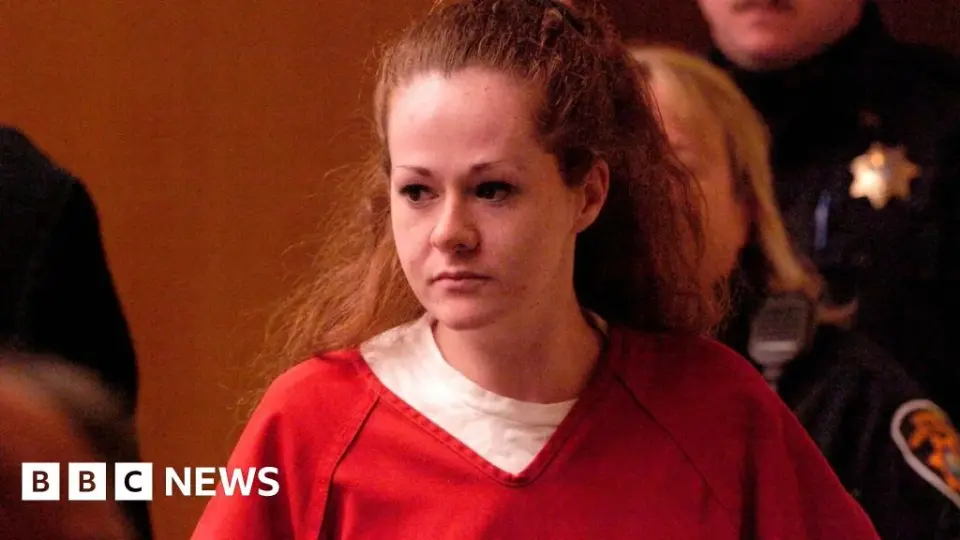
Christa Pike, the only woman on Tennessee’s death row, survived two doses of pentobarbital during an attempted execution on September 30, 2026. She is in critical condition in a hospital, receiving life-saving measures. Governor Bill Lee has suspended all executions in the state for the remainder of 2026 and ordered a third-party review. The incident raises questions about the reliability of lethal injection protocols and the potential for a second attempt.
Key points
- Pike, 50, was convicted in 1996 for the 1995 murder of 19-year-old Colleen Slemmer.
- Witnesses reported hearing Pike snoring and complaining of arm pain for nearly an hour after the injections.
- The Tennessee Department of Correction stated the protocol does not allow for additional procedures beyond the two doses administered.
- Pike’s lawyers have requested a commutation of her death sentence following the failed attempt.
- Historical precedent suggests federal courts are unlikely to block a second execution attempt if authorities choose to proceed.
Background
Pike’s case had been the subject of intense legal battles, including a last-minute Supreme Court decision to lift a stay just hours before the execution. She was the first woman scheduled for execution in Tennessee in over 200 years. Her co-conspirator, Tadaryl Shipp, received a life sentence because he was a minor at the time of the crime. Pike’s attorneys had argued that her severe childhood trauma and mental illness constituted cruel and unusual punishment, but these claims were rejected by courts. The failed execution is the second procedural failure in Tennessee in 2026, following a similar issue with inmate Tony Carruthers in May.
How outlets are covering it
The Tennessee Department of Correction defended its actions, stating it followed the established protocol and that the chemical used has 'consistently been effective.' However, human rights advocates and legal experts criticized the secrecy of the process. Maya Foa of Reprieve noted that lethal injection relies on secrecy to hide the violence of state killing. Clive Stafford Smith, a human rights lawyer, suggested the failure may be due to expired drugs or difficulty accessing veins, noting that doctors are not allowed to participate in the process. Victim’s mother May Martinez described the attempt as 'a mess' but maintained her support for the execution. Legal experts like John Mills indicated that federal courts are unlikely to intervene in a second attempt, citing historical precedents like the 1947 case of Willie Smith.
Why it matters
The failed execution highlights the ongoing controversy surrounding the death penalty in the US, particularly the reliability and humanity of lethal injection. It has led to a statewide pause on executions and a third-party review, potentially setting a precedent for future cases. The incident also underscores the legal and ethical debates around the use of pentobarbital, which has faced scrutiny for causing unnecessary pain. The case may influence public opinion and policy regarding capital punishment in Tennessee and other states.
What to watch
Pike’s prognosis is unknown, and she is currently in a hospital. Authorities have not stated whether they will attempt a second execution. Governor Lee’s third-party review will examine the circumstances of the failed attempt. Pike’s lawyers are seeking a commutation of her sentence. The outcome of the review and any legal challenges will determine the next steps in Pike’s case and potentially impact future executions in Tennessee.
- What happened in the failed execution of Christa Pike - and what next? BBC
- Tennessee Death Row Inmate Christa Pike Still Alive After Attempts to Execute Her, Lawyers Say The New York Times
- Tennessee death row inmate Christa Pike survives 2 doses of execution drugs Yahoo
- Failed execution in Tennessee and Cornell student’s police statement reveals new details: Morning Rundown NBC News
- Christa Pike execution fails: What next when a lethal injection is botched? Al Jazeera
Want the full story? Read the original reporting
Read on BBC