
Jason Arday, Cambridge’s youngest Black professor, found dead after plagiarism scrutiny
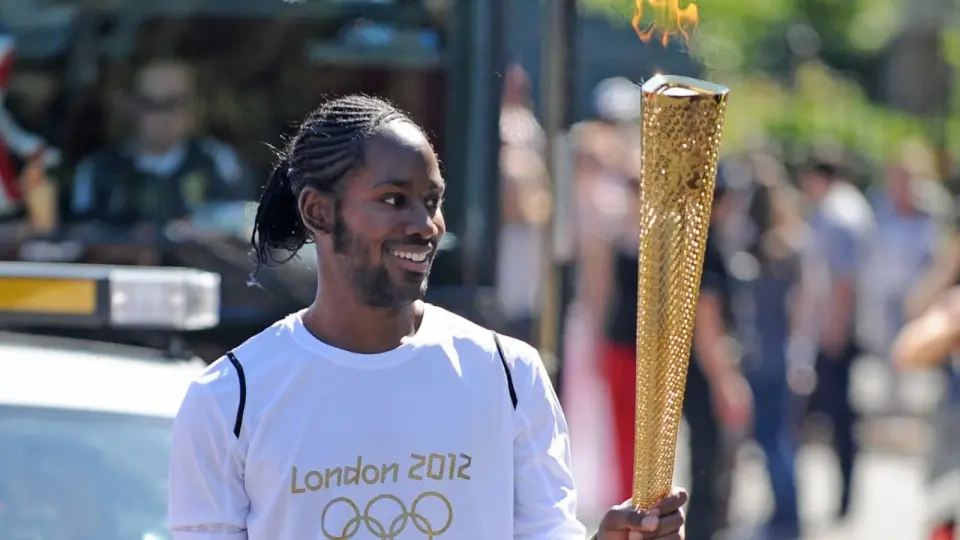
Jason Arday, 41, was found dead at his home in Battersea, London, on Friday. He had resigned from his position as a professor of sociology of education at Cambridge University the previous week amid allegations of plagiarism and questions regarding his academic qualifications and personal history. Arday, who was appointed in 2023 as Cambridge’s youngest Black professor, denied the plagiarism claims but acknowledged errors in his work, attributing some to his autism. His family described the aftermath as a 'campaign of sustained abuse' and 'misinformation' that led to his death. Police are treating the death as unexpected but not suspicious. Cambridge and other universities have launched independent investigations into his appointment and credentials.
Key points
- Jason Arday was found unresponsive at his home in Battersea, South London, on Friday afternoon; he was pronounced dead at the scene.
- Arday resigned from Cambridge University and Jesus College last week after the university announced an internal inquiry into 'new information' regarding his academic qualifications and honorary appointments.
- The controversy began with allegations of plagiarism in his PhD thesis, which he denied, though he admitted to errors in his early work, citing his autism and reliance on mimicry.
- Arday’s family stated in a statement that he faced a 'campaign of sustained abuse' and 'misinformation' for over three years, which they said was 'too much' for him.
- Cambridge Vice-Chancellor Professor Deborah Prentice expressed 'desperate sadness' and confirmed the university had launched an independent investigation into the circumstances of his appointment.
- Arday’s memoir, 'Great and Unfortunate Things,' was published in the US this week, with UK publication scheduled for later this month.
Background
Jason Arday was appointed professor of sociology of education at Cambridge University in 2023, becoming the university’s youngest Black professor at the age of 37. His appointment was widely celebrated, and he had previously worked at Durham University (2019-2021) and the University of Glasgow. He completed his PhD in education at Liverpool John Moores University in 2015. Arday had previously been a torchbearer for the 2012 London Olympics flame and was known for his public advocacy and charity work. The current controversy followed initial allegations by another academic, Nathan Cofnas, who claimed to have found numerous instances of plagiarism in Arday’s work. Arday’s life story, including claims of being nonverbal until age 11 and raising £5.5 million for charity, was also scrutinized, with some claims later clarified or disputed.
How outlets are covering it
ABC7 Los Angeles reported the basic facts of Arday’s death and resignation, noting his status as Cambridge’s youngest Black professor and the university’s statement. CNN emphasized the family’s account of 'sustained abuse' and the public backlash, including a GoFundMe campaign that raised over $37,000 and calls for a vigil in Trafalgar Square. It highlighted the view that the media coverage was a 'racist witch hunt.' The Guardian provided detailed background on Arday’s career, his denial of plagiarism, and the university’s initial defense followed by tempered support. It noted the publication of his memoir and the independent investigations launched by Cambridge, Glasgow, and Liverpool John Moores University. BBC focused on the political and public reactions, including statements from Prime Minister Andy Burnham, London Mayor Sadiq Khan, and various academics and union leaders, who criticized the media scrutiny and called for accountability. All sources agreed on the basic facts but differed in emphasis: ABC7 and The Guardian focused on the institutional response and background, while CNN and BBC highlighted the public and political reactions to the perceived 'public shaming' and 'racist witch hunt.'
Why it matters
The death of Jason Arday has sparked a national debate in the UK about the treatment of Black academics, the role of media scrutiny, and the handling of plagiarism allegations in higher education. It has raised questions about the balance between academic integrity and public harassment, and the impact of online campaigns on individuals. The case has also highlighted the need for better support and safeguarding for academics facing public criticism. The independent investigations by multiple universities aim to clarify the facts and ensure accountability, but the broader implications for academic culture and media ethics remain a significant concern.
What to watch
Cambridge University and other institutions, including Glasgow and Liverpool John Moores, are conducting independent investigations into Arday’s academic credentials and the circumstances of his appointment. The Metropolitan Police are investigating the death as unexpected but not suspicious, and a file will be prepared for the coroner. The family has requested privacy and asked the press to stop the 'campaign of harassment.' Public tributes and vigils are being organized, and there are calls for a broader review of how academic misconduct and public scrutiny are handled in the UK.
- Former Cambridge professor Jason Arday found dead amid plagiarism allegations, university says ABC7 Los Angeles
- Professor’s Death Leaves Behind Hard Questions for Cambridge on Race and Hiring The New York Times
- Cambridge professor found dead after scrutiny over academic record faced ‘sustained abuse,’ family say CNN
- Jason Arday death 'tragedy on so many levels' says PM BBC
- Jason Arday, professor at centre of Cambridge plagiarism row, found dead The Guardian
Want the full story? Read the original reporting
Read on ABC7 Los Angeles