
Japan Quake Toll Hits 30 as Heat and Aftershocks Complicate Rescue
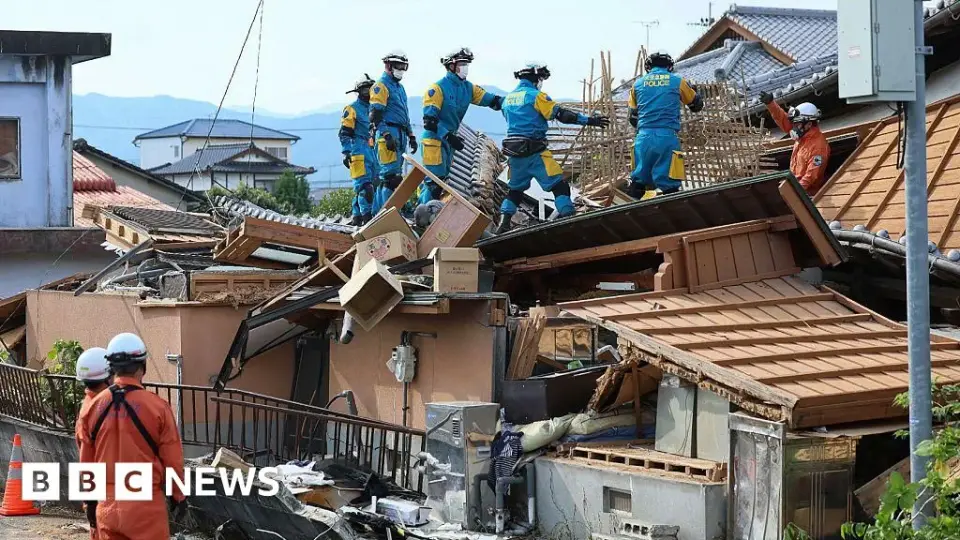
The death toll from the magnitude 6.8 earthquake in Kumamoto, Japan, has risen to 30. Rescuers continue searching for survivors at the collapsed Aeon mall and a paper factory, facing extreme heat and over 100 aftershocks. Approximately 9,000 people remain in evacuation centers, where temperatures may reach 39C.
Key points
- Prime Minister Sanae Takaichi confirmed the death toll reached 30 on Thursday, up from 13 reported earlier in the week.
- Rescue efforts focus on the Aeon shopping center in Kashima, where a second-floor collapse and subsequent gas explosion killed several people.
- A Nippon Paper factory in Yatsushiro also collapsed, killing at least five people; seven of eleven trapped workers have been rescued.
- Extreme heat, with forecasts of 39C, is hindering rescue operations and endangering evacuees in shelters.
- Over 100 aftershocks have occurred since the initial quake, causing many residents to sleep in their cars due to fear of further tremors.
Background
This disaster follows the 2016 Kumamoto earthquakes, which killed 278 people and damaged the same Aeon mall. The current quake struck on Tuesday, July 28, 2026. Broader regional heat stress, similar to recent European heatwaves, exacerbates the humanitarian crisis in Japan.
How outlets are covering it
BBC and Al Jazeera agree on the rising death toll and the severity of the Aeon mall collapse. Al Jazeera provides detailed eyewitness accounts of the explosion and evacuation chaos, while BBC emphasizes the heat challenge and government response. Car and Driver focuses on the economic impact, noting that Toyota and Nissan suspended production due to supply chain issues, though they resumed operations by August 6. All sources confirm the widespread infrastructure damage and aftershock activity.
Why it matters
The disaster highlights vulnerabilities in infrastructure and emergency response in seismically active regions. The combination of earthquake damage, aftershocks, and extreme heat creates a complex humanitarian crisis. The economic ripple effects on major automakers like Toyota and Nissan demonstrate the global supply chain dependencies affected by regional disasters.
What to watch
Rescue operations will continue as long as survivors are possible, though the 'golden window' is closing. Authorities will monitor aftershocks and heatstroke risks. Supply chain disruptions for auto manufacturers may persist if supplier issues are not fully resolved, though major plants have resumed operations.
- Japan earthquake: Death toll rises to 28 as rescuers keep searching through extreme heat BBC
- ‘Like volcanic ash falling’: Inside Aeon mall after Japan’s earthquake Al Jazeera
- The Quake Struck Japan. Eighty Minutes Later, a Lethal Explosion. WSJ
- Earthquake Destruction in Japan May Affect Production of Thousands of Nissan and Lexus Vehicles Car and Driver
- Japan's earthquake leaves communities thirsting for water and relief from heat Reuters
Want the full story? Read the original reporting
Read on BBC