
ICJ Rules Myanmar Committed Genocide Against Rohingya in Historic 9-6 Decision
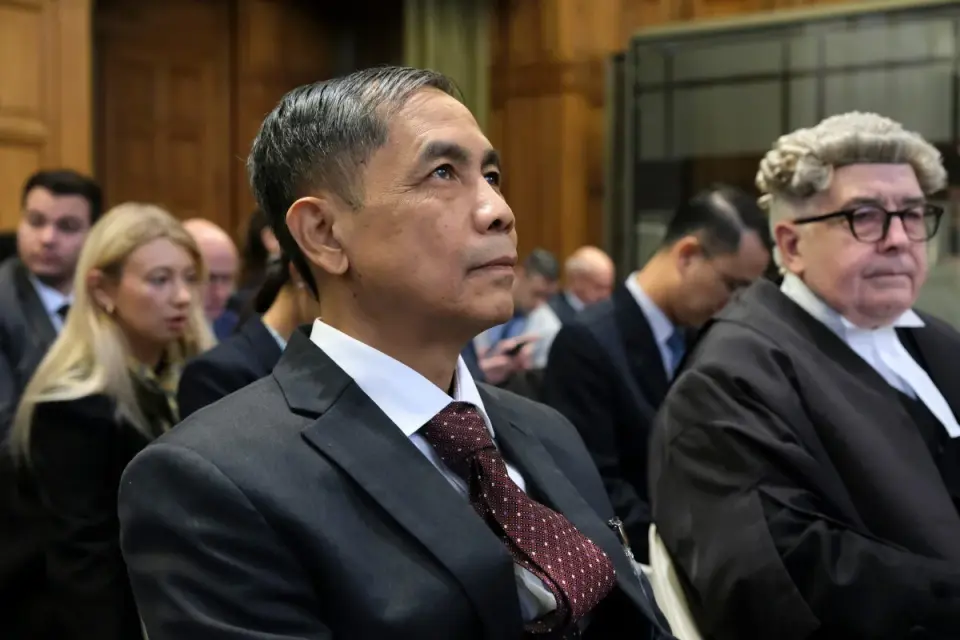
The International Court of Justice (ICJ) has ruled that Myanmar committed genocide against the Rohingya minority during a 2017 military campaign. In a 9-6 decision, the court found that Myanmar’s forces acted with the intent to destroy a substantial part of the Rohingya population, marking the first time the ICJ has found a state responsible for genocide. The ruling follows a case brought by The Gambia in 2019 and is expected to set a precedent for other pending genocide cases, including those involving Israel and Russia. However, the ICJ lacks enforcement mechanisms, and Myanmar has denied the allegations.
Key points
- The ICJ ruled that Myanmar committed genocide against the Rohingya in northern Rakhine state, violating the 1948 Genocide Convention.
- The court found that Myanmar’s security forces killed approximately 10,000 Rohingya civilians, perpetrated widespread sexual violence, and attacked fleeing civilians.
- The decision was reached by a 9-6 vote, with the court rejecting Myanmar’s defense that the 2017 campaign was a legitimate counterinsurgency operation.
- The case was brought by The Gambia in 2019, which has requested reparations, including full citizenship and the right of return for the Rohingya.
- The ruling is legally binding but lacks enforcement mechanisms, with noncompliance potentially reported to the UN Security Council.
- The decision is expected to influence other pending genocide cases, including South Africa’s claim against Israel and Ukraine’s case against Russia.
Background
The Rohingya crisis has been a long-standing issue, with the 2017 military campaign in Rakhine state leading to the displacement of over 700,000 Rohingya to Bangladesh. The ICJ case was initiated by The Gambia in 2019, and the court has been handling other genocide allegations, including those related to the Gaza conflict and the war in Ukraine. The ruling is seen as a critical test for the legal threshold of genocide, which requires evidence of specific intent to destroy a group.
How outlets are covering it
AP News and NBC News emphasize the historic nature of the ruling, noting it is the first time the ICJ has found a state responsible for genocide. The Guardian highlights the impact on other cases, particularly the Israel-Gaza case, and notes the US threat to sanction judges if the legal threshold for genocide is lowered. The New York Times provides a detailed account of the 2017 campaign, focusing on the destruction of villages like Zammona and the displacement of the Rohingya. All sources agree on the court’s finding of genocidal intent but differ in emphasis, with some focusing on the legal precedent and others on the humanitarian impact.
Why it matters
The ICJ’s ruling sets a precedent for future genocide cases, potentially influencing outcomes in other high-profile cases, including those involving Israel and Russia. The decision also highlights the challenges of enforcing international law, as the ICJ lacks direct enforcement mechanisms. For the Rohingya, the ruling offers a measure of recognition and dignity, but the practical implications for their return and citizenship remain uncertain. The case also underscores the importance of international legal frameworks in addressing state-sponsored atrocities.
What to watch
The ICJ’s ruling is legally binding, but enforcement remains uncertain. The Gambia has requested reparations, including full citizenship and the right of return for the Rohingya, but Myanmar has denied the allegations. The case may be reported to the UN Security Council if Myanmar fails to comply. The ruling is expected to influence other pending genocide cases, including South Africa’s claim against Israel and Ukraine’s case against Russia. The US has threatened to sanction ICJ judges if the legal threshold for genocide is lowered, which could impact future cases.
- Top UN court says Myanmar aimed to destroy ‘substantial part’ of Rohingya AP News
- Myanmar committed acts of genocide against Rohingya minority, world’s top court rules The Guardian
- Myanmar forces killed 10,000 Rohingya in bid in to destroy part of population, U.N.’s top court says NBC News
- A Village Burned, Its People Killed or Exiled. Was It Genocide? The New York Times
- ICJ to rule on Rohingya genocide case against Myanmar: What’s at stake? Al Jazeera
Want the full story? Read the original reporting
Read on AP News