
Trump’s 'United Ireland' Remarks Spark Diplomatic Friction and Domestic Debate
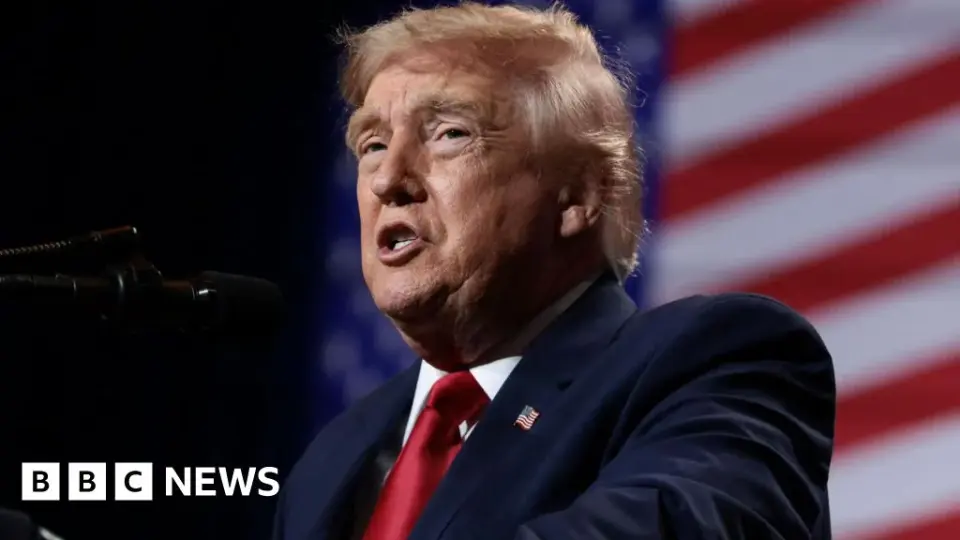
During a two-day visit to Ireland, US President Donald Trump stated that a unified Ireland would be 'fantastic' and might happen soon. This broke with decades of US neutrality on the issue, prompting immediate pushback from the UK and Northern Irish unionists, while analysts debate if the remarks were a genuine policy shift or a calculated move to court Irish-American voters ahead of November midterms.
Key points
- Trump told reporters in Dublin he would 'love' to see Ireland unified, adding it 'may as well happen now.'
- UK Prime Minister Andy Burnham reiterated that a border poll is 'off the table' and that the UK will uphold the 1998 Good Friday Agreement.
- Former US envoy Mick Mulvaney and Democratic Congressman Brendan Boyle stated the comments do not signal a shift in US foreign policy.
- Thousands protested in Dublin and Doonbeg, with Irish President Catherine Connolly condemning the 'normalization of war' during her meeting with Trump.
- Trump’s speech to business leaders in Dublin focused heavily on US domestic issues, including immigration and defense, rather than bilateral trade.
Background
Previous coverage noted that Ireland was bracing for a tense diplomatic encounter between Trump and President Connolly, a long-time critic of the US leader. The visit was centered on a golf tournament at Trump’s Doonbeg course, with security and protests planned. Earlier reports highlighted the delicate balance Irish officials sought between maintaining diplomatic relations and upholding their values regarding US foreign policy.
How outlets are covering it
Outlets diverged on the intent behind Trump’s remarks. The BBC and CNN suggested the comments may have been targeted at Irish-American voters ahead of the November midterms, noting the Republican party’s need for swing votes. The Los Angeles Times framed the comments as part of a broader pattern of Trump challenging British sovereignty, linking them to his recent rhetoric on the Falkland Islands. The Guardian emphasized the 'off-the-cuff' nature of the statement, highlighting that Trump later acknowledged there was 'no good answer' to the question, suggesting it was not a formal policy shift. All sources agreed that the remarks caused significant diplomatic friction, with the UK and unionist leaders in Northern Ireland firmly rejecting the idea of an imminent referendum.
Why it matters
The incident highlights the volatility of US-Ireland relations and the potential for US presidential rhetoric to destabilize sensitive constitutional issues. It also underscores the domestic political pressures facing Trump, as he navigates a critical midterm election cycle while managing international disputes. The reaction from the UK and Northern Ireland indicates that the Good Friday Agreement remains a central pillar of British-Irish relations, despite external commentary.
What to watch
Trump is expected to return to Washington on Sunday after presenting the Irish Open trophy. The UK government and Northern Irish leaders will likely continue to monitor the situation, though no immediate policy changes are expected. The focus will shift to the November midterms, where Irish-American voters may play a role in the outcome. Irish officials will continue to manage the diplomatic fallout while maintaining economic ties with the US.
- Trump: US president's comments on a united Ireland may have targeted an audience across the Atlantic BBC
- Trump, breaking with U.S. precedent, says Ireland’s reunification would be ‘fantastic’ Los Angeles Times
- Trump says Irish unification would be ‘fantastic,’ wading in to sensitive topic during weekend visit | CNN Politics CNN
- Donald Trump says he would ‘love’ to see united Ireland The Guardian
- In an Irish Village, Trump’s Visit for a Golf Tournament Prompts Protests and Praise The New York Times
Want the full story? Read the original reporting
Read on BBC