
U.N. Panel Accuses U.S. of War Crimes in Iran Over School and Sports Complex Strikes
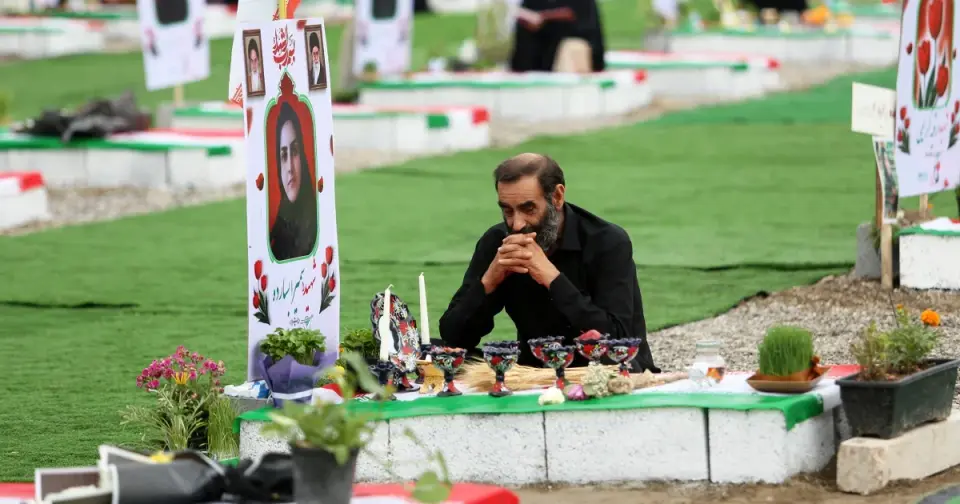
A U.N.-backed fact-finding mission has found 'reasonable grounds' to believe the United States committed war crimes during two airstrikes in Iran on February 28, 2026. The panel, chaired by Sara Hossain, cites the killing of at least 178 civilians, including children, in a strike on a school in Minab and a separate attack on a sports complex in Lamerd. While the U.S. Central Command denies responsibility for the Lamerd strike, the Trump administration has not released findings from its own Pentagon investigation. The report also alleges crimes against humanity by Iranian security forces, highlighting a dual pattern of violations against civilians caught between the conflict and their own government.
Key points
- The U.N. mission identified two specific U.S. airstrikes on February 28, 2026, as potential war crimes.
- One strike used Tomahawk missiles against the Shajareh Tayyebeh school in Minab, killing 168 people, mostly children, according to Iranian state media.
- A second strike in Lamerd used precision missiles that dispersed tungsten pellets over a sports complex and residential area, killing 22 civilians.
- The panel found 'reasonable grounds' to believe the U.S. launched indiscriminate attacks resulting in civilian casualties.
- The U.S. Central Command has denied responsibility for the Lamerd strike, and the White House has not responded to the allegations.
- The report also documents 'crimes against humanity' by Iranian state security forces, noting civilians were caught between both sides' violations.
Background
This development follows the start of the U.S.-Israeli war against Iran in February 2026. Previous reporting indicates the conflict has cost the U.S. approximately $33.4 billion, with significant strain on munition stocks. The war has also led to a $100 billion increase in U.S. fuel costs. As of late August, the conflict had reached a six-month stalemate, with the Trump administration prioritizing economic pressure and a naval blockade over diplomatic negotiations. The current U.N. findings add a legal dimension to the ongoing conflict, which has already seen diplomatic tensions, including U.S. visa approvals for Iranian officials to attend the U.N. General Assembly despite the active war.
How outlets are covering it
NBC News and the Associated Press report the core findings of the U.N. mission, emphasizing the 'reasonable grounds' for war crimes charges regarding the Minab school and Lamerd sports complex. CBS News contextualizes these findings within the broader stalemate of the war, noting that while the U.S. is open to meetings with Iranian officials at the U.N., no formal talks are scheduled. Al Jazeera provides broader regional context, including the U.K. blaming Iran for a plot against an airbase and Cuba's energy crisis due to U.S. oil blockades, but does not directly address the specific U.N. war crimes findings. The U.S. government, through Central Command, denies responsibility for the Lamerd strike, while the White House and Pentagon have not publicly responded to the U.N. allegations. Iranian state media cites higher casualty numbers for the Minab strike than the U.N. panel's overall count for both incidents.
Why it matters
The U.N. finding of 'reasonable grounds' for war crimes represents a significant legal and diplomatic escalation in the U.S.-Iran conflict. It challenges the U.S. narrative of precision warfare and could complicate future diplomatic efforts, including the upcoming U.N. General Assembly. The allegations of indiscriminate attacks on civilian infrastructure, such as schools and sports complexes, may influence international opinion and support for the conflict, which has already faced domestic criticism over rising fuel costs and economic impacts. The dual findings of U.S. war crimes and Iranian crimes against humanity highlight the complex humanitarian toll on civilians, potentially affecting long-term regional stability and U.S. foreign policy credibility.
What to watch
The Trump administration is expected to respond to the U.N. findings, though no immediate statement has been issued. The U.S. is open to meeting Iranian officials at the U.N. General Assembly, but no formal talks are scheduled. The Pentagon investigation into the school bombing remains pending, with no final accounting released. The U.N. mission may continue its investigation, though access and cooperation from both Iran and the U.S. have been limited. The conflict remains in a stalemate, with the U.S. maintaining a naval blockade and pursuing economic pressure, while Iran continues to deny nuclear program allegations and reject U.S. demands.
- U.N. mission finds grounds to believe U.S. committed war crimes in Iran NBC News
- UN-backed experts cite possible US war crimes in Iran strikes AP News
- Breaking News, World News and Video from Al Jazeera Al Jazeera
- Iran War Updates: U.N. panel cites possible U.S. war crimes as Trump again says Iran wants a deal CBS News
- Iran school bombing: grounds to believe US was behind atrocity, UN finds The Guardian
Want the full story? Read the original reporting
Read on NBC News