
"Weaving Traditions: The Climatic and Social Significance of African Vernacular Huts"
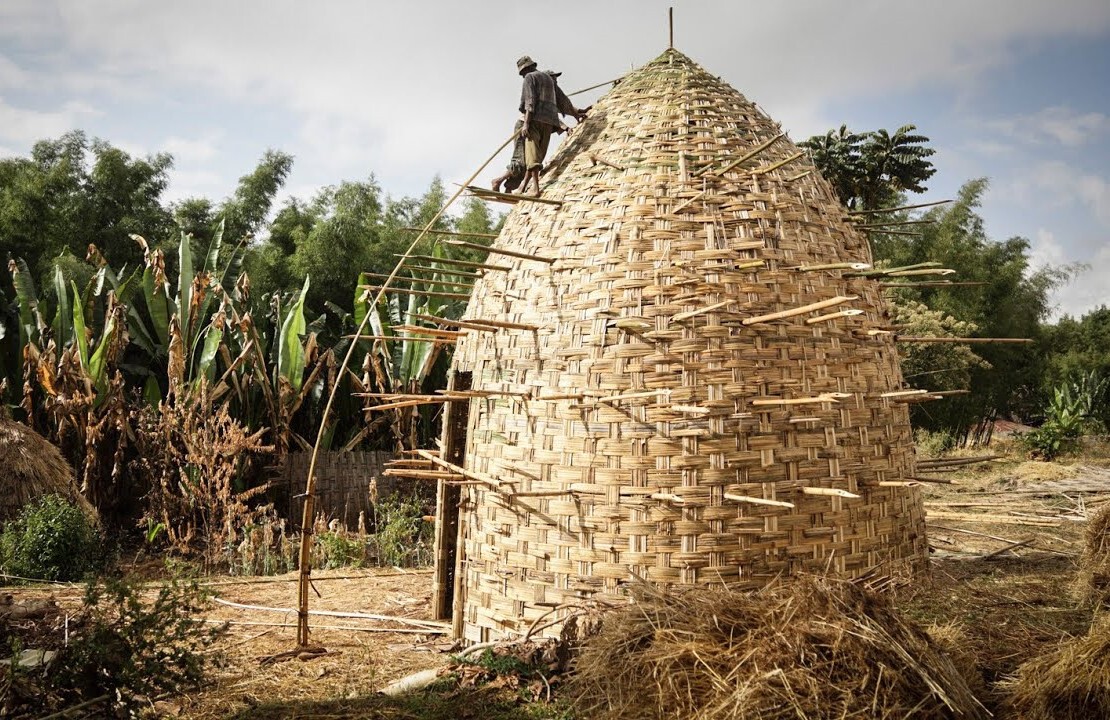
TL;DR Summary
Weaving plays a crucial role in the construction of African vernacular huts, such as the Zulu, Dorze, and Nama huts, offering both climatic and social benefits. These huts, known for their unique architectural forms, reflect the cultural significance of weaving techniques in creating structures that engage with materials, climate, and community. Weaving not only contributes to the structural stability and environmental adaptability of these huts but also embodies the rich cultural heritage and traditions of African societies.
Topics:world#african-architecture#architecture#climatic-design#social-architecture#vernacular-huts#weaving
Reading Insights
Total Reads
0
Unique Readers
15
Time Saved
6 min
vs 7 min read
Condensed
94%
1,325 → 77 words
Want the full story? Read the original article
Read on ArchDaily