
Beatles museum plans face rooftop music ban and local opposition
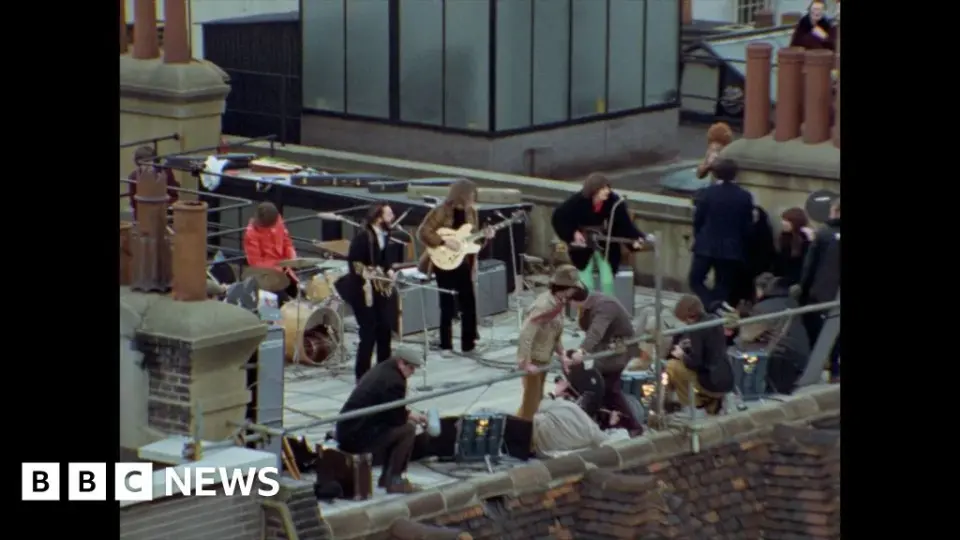
Apple Corps Ltd is seeking approval to convert 3 Savile Row into a Beatles museum, but Westminster Council is imposing strict conditions, including a ban on live rooftop music, to address noise and congestion concerns.
Key points
- Apple Corps Ltd plans to transform the Grade II* listed building at 3 Savile Row into a seven-floor cultural exhibition celebrating The Beatles.
- Westminster City Council is set to vote on the plans, with conditions prohibiting live music on the famous rooftop terrace and limiting amplified sound.
- The project forecasts up to 1,140 visitors on weekends, with a cap of 225 people inside at any one time to manage congestion.
- The Savile Row Bespoke Association has objected, arguing the plans conflict with the area's special designation for tailoring and will cause dangerous pavement congestion.
- The venue is expected to open in 2027 if planning permission is granted, featuring a basement cafe-bar on the site of the original recording studio.
Background
Paul McCartney, who recently entered the billionaire club with a net worth of $1.4 billion, previously described the Savile Row project as a 'terrific idea' that would allow tourists to experience the building's interior, unlike Abbey Road. The site served as the band's headquarters from 1968 to 1972 and hosted their iconic 1969 rooftop concert.
Why it matters
The outcome of this planning vote will determine whether a major Beatles landmark becomes a public attraction or remains a private office, balancing cultural heritage preservation against local business interests and urban infrastructure limits.
What to watch
Westminster City Council will vote on the planning application on Tuesday. If approved, the venue aims to open in 2027, subject to a 12-month monitoring period requested by the Mayfair Neighbourhood Forum before any expansion.
Want the full story? Read the original reporting
Read on BBC