
Faber halts UK distribution of Sally Rooney’s novels after Palestine Action pledge
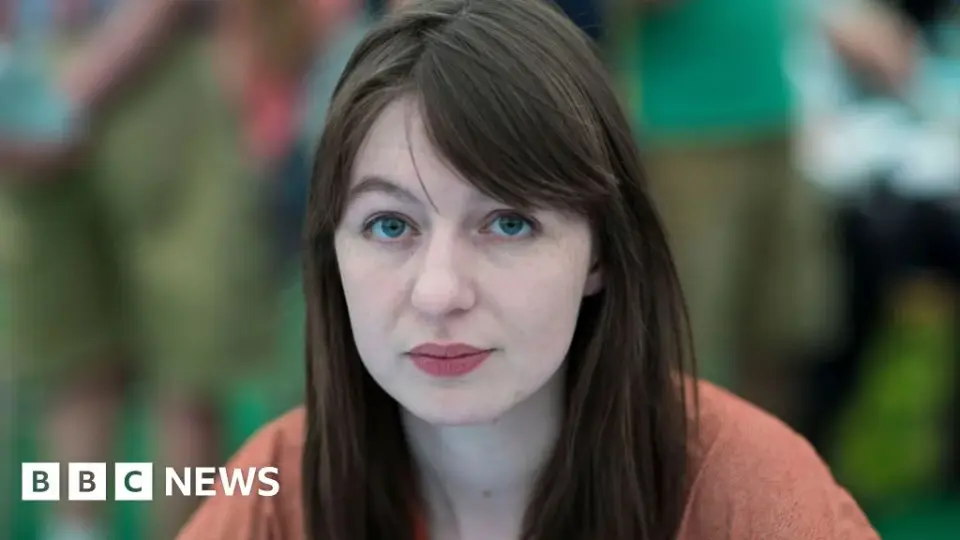
Irish novelist Sally Rooney has agreed with her publisher, Faber, to stop supplying her books to UK retailers. The decision follows Rooney’s public pledge to support Palestine Action, a group proscribed as a terrorist organization in the UK in July 2025. Faber stated that UK legislation prevents them from passing on royalties to Rooney, as doing so could constitute a criminal offense. While new stock will not be supplied, existing physical copies in bookstores may remain on shelves. Rooney has sold over 2.3 million copies in the UK, and her novels, including 'Normal People' and 'Conversations With Friends', were adapted into hit TV series. The move highlights tensions between anti-terrorism laws and artistic freedom, with a Supreme Court challenge to the group’s ban scheduled for November.
Key points
- Faber announced it can no longer supply Sally Rooney’s works in the UK in any format due to legal restrictions on passing royalties to a supporter of a proscribed group.
- Rooney stated that fulfilling publishing contracts in the UK could constitute a 'serious criminal offence' under the Terrorism Act, given her intention to support Palestine Action.
- Ebook editions have already been removed from sale in the UK, but Waterstones confirmed that existing physical stock can still be sold as there are no restrictions on retailers keeping current copies.
- Rooney has sold over 2.3 million copies of her books in the UK and more than six million globally, with 'Normal People' and 'Conversations With Friends' adapted into successful BBC television series.
- The UK government proscribed Palestine Action in July 2025, citing a history of criminal damage, including targeting arms companies linked to Israel’s war in Gaza.
- More than 3,700 people have been arrested in the UK for alleged support of Palestine Action, with about 2,500 charged, though none have gone to trial pending a Supreme Court ruling.
Background
This development follows Rooney’s August 2025 opinion piece in The Irish Times, where she declared her intention to continue supporting Palestine Action despite the group’s proscription in the UK. In November 2025, she warned in a High Court statement that her books could disappear from UK stores. The High Court initially ruled the ban unlawful in February 2026, but the Court of Appeal overturned this in June 2026. The archive notes that similar controversies have arisen in the US, such as Macklemore’s removal from Ed Sheeran’s tour after 'Free Palestine' protests, highlighting broader tensions between political expression and commercial or legal restrictions.
How outlets are covering it
BBC and NBC News report the core facts of Faber’s decision and Rooney’s statement, emphasizing the legal constraints under UK terrorism laws. The Guardian adds detail on the impact on royalties from TV adaptations and quotes Amnesty International UK, which criticizes the law for silencing artistic freedom. RTE.ie clarifies that existing stock will not be removed from shelves, a point also confirmed by Waterstones via BBC. Huda Ammori, a co-founder of Palestine Action, praised Rooney’s stand as 'brave and principled,' while booksellers like John Clegg of London Review Bookshop expressed support for Rooney and criticized the law. Some outlets, like NBC, note the broader context of over 3,000 arrests related to Palestine Action support, while others focus on the commercial and legal implications for the publisher and author.
Why it matters
This case illustrates the real-world impact of UK anti-terrorism legislation on cultural figures and free speech. It raises questions about the boundaries between political dissent and criminal support for proscribed groups, particularly when it affects the distribution of widely read and adapted literary works. The upcoming Supreme Court ruling on the proscription of Palestine Action could set a precedent for similar cases and influence how such laws are applied to artists and public figures.
What to watch
The UK Supreme Court is scheduled to hear the legal challenge to the proscription of Palestine Action on 4 and 5 November 2026. The outcome could determine whether the ban is overturned, potentially affecting the legal status of Rooney’s support and the distribution of her books. In the interim, existing stock of Rooney’s novels may continue to be sold in UK bookstores, but no new supplies will be distributed. The case may also influence public and legal discourse on the balance between national security and freedom of expression.
- Sally Rooney says her books will be removed from sale in UK over Palestine Action support BBC
- Sally Rooney says she can no longer sell books in UK due to Palestine Action support The Guardian
- Sally Rooney’s publisher withdraws her books from U.K. sale over support for Palestine Action NBC News
- Sally Rooney books: Faber to end supply in the UK RTE.ie
- Faber to no longer distribute Sally Rooney in UK due to Palestine Action legislation The Bookseller
Want the full story? Read the original reporting
Read on BBC