
Cultural heavyweights sign open letter demanding UK repeal of anti-terror laws after Sally Rooney book ban
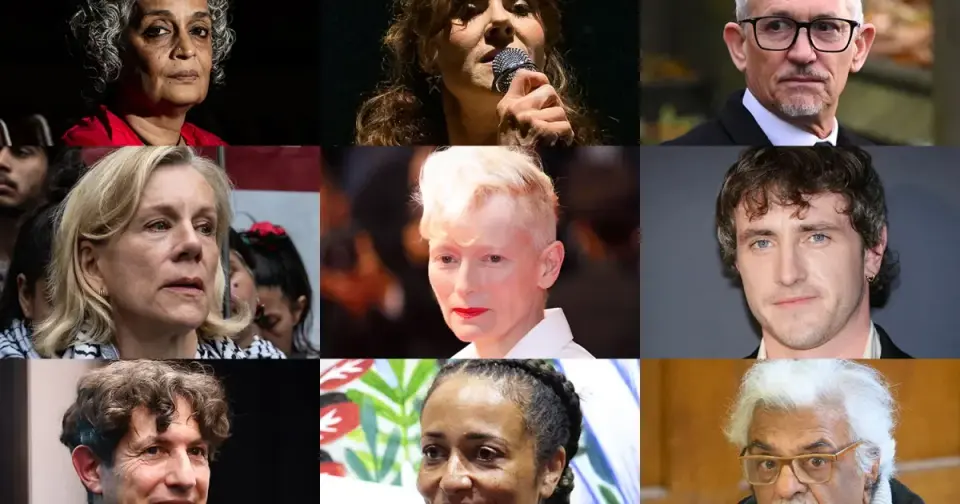
Dozens of prominent actors, writers, and activists have signed an open letter condemning the UK government’s use of anti-terror legislation to ban the sale of Irish novelist Sally Rooney’s books. The letter, published on the cover of the New Statesman, describes the situation as a 'repressive absurdity' and urges the government to amend the laws. The controversy stems from Rooney’s pledge to donate royalties to Palestine Action, a group designated as a terrorist organization in the UK, which led her publisher, Faber & Faber, to halt UK sales to avoid legal liability. The Supreme Court is set to hear a case regarding the ban in two weeks.
Key points
- An open letter signed by high-profile figures including Paul Mescal, Tilda Swinton, Arundhati Roy, and Naomi Klein condemns the UK’s anti-terror laws as 'draconian' and an affront to free speech.
- The letter states that Rooney is a writer, not a terrorist, and demands that her books remain available to the public, rejecting what it calls 'indirect censorship'.
- Faber & Faber halted UK sales of Rooney’s works because passing on royalties would violate UK law, as Rooney pledged to support Palestine Action, a proscribed group.
- Rooney has stated that further publication of her work in the UK could constitute a 'serious criminal offence' under current legislation.
- The UK Supreme Court is scheduled to hear a case regarding the proscription of Palestine Action in two weeks.
- E-books of Rooney’s novels have been removed from UK digital platforms, though some physical copies remain in bookshops.
Background
This development follows the October 15, 2026 announcement by Faber & Faber that they would cease supplying Rooney’s books to UK retailers. The decision was driven by UK Terrorism Act 2000 provisions that prohibit passing funds to proscribed groups. Rooney had pledged her royalties to Palestine Action, leading to a legal impasse where the publisher could not distribute the books without risking criminal liability. The situation sparked immediate debate over the application of terrorism laws to protest groups and the boundaries of free speech.
How outlets are covering it
Al Jazeera and Variety both report on the open letter and the withdrawal of Rooney’s books, but they emphasize different aspects. Al Jazeera focuses on the broad condemnation from a wide range of cultural figures, including writers like Zadie Smith and JM Coetzee, and frames the issue as a direct challenge to 'basic principles of free speech.' Variety highlights the involvement of actors Paul Mescal and Daisy Edgar-Jones, who starred in the TV adaptation of Rooney’s 'Normal People,' and notes the participation of other Hollywood figures like Susan Sarandon and Jessie Buckley. Both sources agree that the letter calls the legislation 'draconian' and 'repressive,' but Variety places more emphasis on the entertainment industry’s response, while Al Jazeera highlights the literary and activist community’s stance. Neither source reports on the UK government’s official response to the letter, but both note the upcoming Supreme Court hearing as a key next step.
Why it matters
The case of Sally Rooney highlights the potential for UK anti-terror legislation to have unintended consequences on free speech and cultural expression. By linking a novelist’s support for a proscribed group to the ban on her books, the law has created a chilling effect that extends beyond the group itself to those who express solidarity. The broad support from leading cultural figures suggests that the issue has moved beyond political debate into a wider concern about the limits of state power over artistic and literary expression. The upcoming Supreme Court hearing could set a precedent for how terrorism laws are applied to non-violent protest and advocacy groups.
What to watch
The UK Supreme Court is set to hear a case regarding the proscription of Palestine Action in two weeks. The outcome of this case could determine whether the ban on the group is upheld or overturned, which would directly impact the legal status of Rooney’s books and the ability of her publisher to resume sales. The government may also face pressure to amend the Terrorism Act 2000 in light of the widespread condemnation from the cultural sector.
- Actors, writers condemn UK anti-terror law targeting Sally Rooney Al Jazeera
- Sally Rooney Is Wrong, and So Is What’s Happening to Her The Atlantic
- ‘It feels quite frightening’: readers rush to snap up Sally Rooney books as stocks dwindle amid Palestine Action ban The Guardian
- Blighty newsletter: The tinpot “terrorists” The Economist
- Paul Mescal, Daisy Edgar-Jones Support Sally Rooney After UK Book Ban Variety
Want the full story? Read the original reporting
Read on Al Jazeera