
Myanmar’s Conscription Crisis: How Quotas Fuelled a Black Market for Human Trafficking
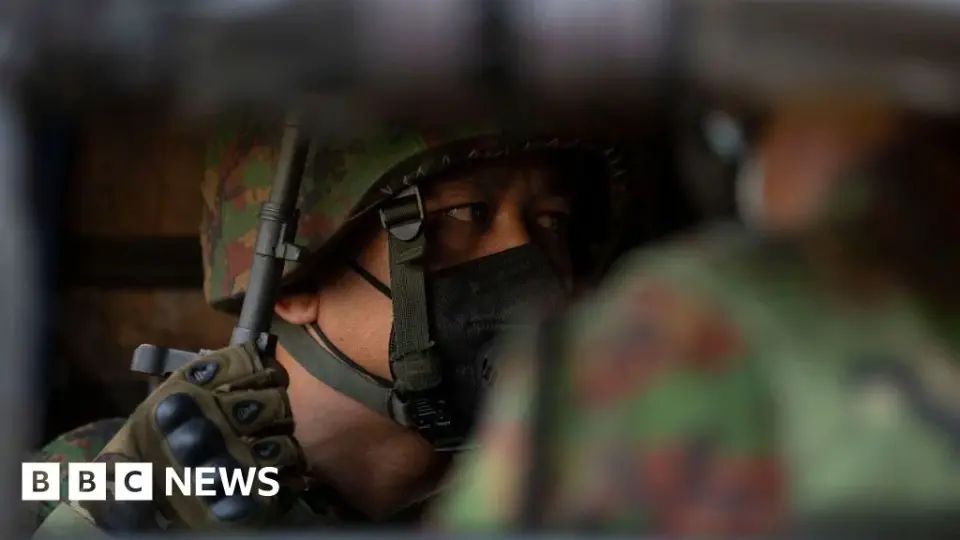
Myanmar’s military junta is aggressively enforcing mandatory conscription quotas, leading to widespread abductions and a black market where local officials sell young men to the army. Since 2024, an estimated 100,000 recruits have been forcibly conscripted, often through coercion rather than legal process. Wealthier individuals can pay to avoid service, leaving the poor to bear the burden. This desperation stems from the junta’s manpower shortages in the ongoing civil war, which has intensified since the 2021 coup. The practice has been described by experts as a form of modern-day slavery, with missing-person reports rising sharply since the conscription law’s enactment.
Key points
- Mandatory conscription law requires men aged 18-35 and women aged 18-27 to serve two years; refusal carries up to five years in prison.
- Leaked documents show authorities are under pressure to meet recruitment quotas, leading to arbitrary arrests and abductions in cities like Hpa-An and Yangon.
- Local ward administrators have been accused of selling conscripts to other jurisdictions to meet quotas, with one case involving a 4 million kyat ($900) payment.
- Wealthier conscripts can pay to be replaced by poorer individuals, creating an illicit market for human trafficking.
- Missing-person advertisements on Facebook rose from four in January 2021 to 82 in January 2025, according to Myanmar Witness.
- A Fire Services Department member was arrested in August 2025 for abducting four young men to sell them into military service, facing up to seven years in prison.
Background
Myanmar has been in civil war since the February 2021 coup, which ousted democratically elected leader Aung San Suu Kyi. The junta has faced significant military losses and desertion, prompting the 2024 conscription law. Recent archive entries highlight continued violence, including a September 2026 airstrike in Rakhine that killed dozens, underscoring the ongoing conflict and displacement. The conscription crisis is part of the junta’s broader strategy to sustain its armed forces amid a war of attrition against ethnic militias and pro-democracy groups.
Why it matters
The forced conscription system exacerbates humanitarian crises, displacing millions and creating labor shortages. It also deepens the junta’s reliance on coercion, undermining civilian trust and fueling resistance. The black market for recruits highlights systemic corruption and the human cost of the civil war, with international rights groups condemning the practices as human trafficking. This situation risks further destabilizing Myanmar’s already fragile economy and social fabric.
What to watch
The junta may continue to intensify recruitment efforts as the civil war persists, potentially leading to more abductions and black market activity. International pressure and human rights advocacy could increase, but the junta’s response to such issues remains unclear. The fate of conscripts like Phyo Wai, who was sold into service, remains unknown, and families may continue to face extortion and displacement. The situation could also influence regional dynamics, as more people flee to neighboring countries like Thailand.
Want the full story? Read the original reporting
Read on BBC