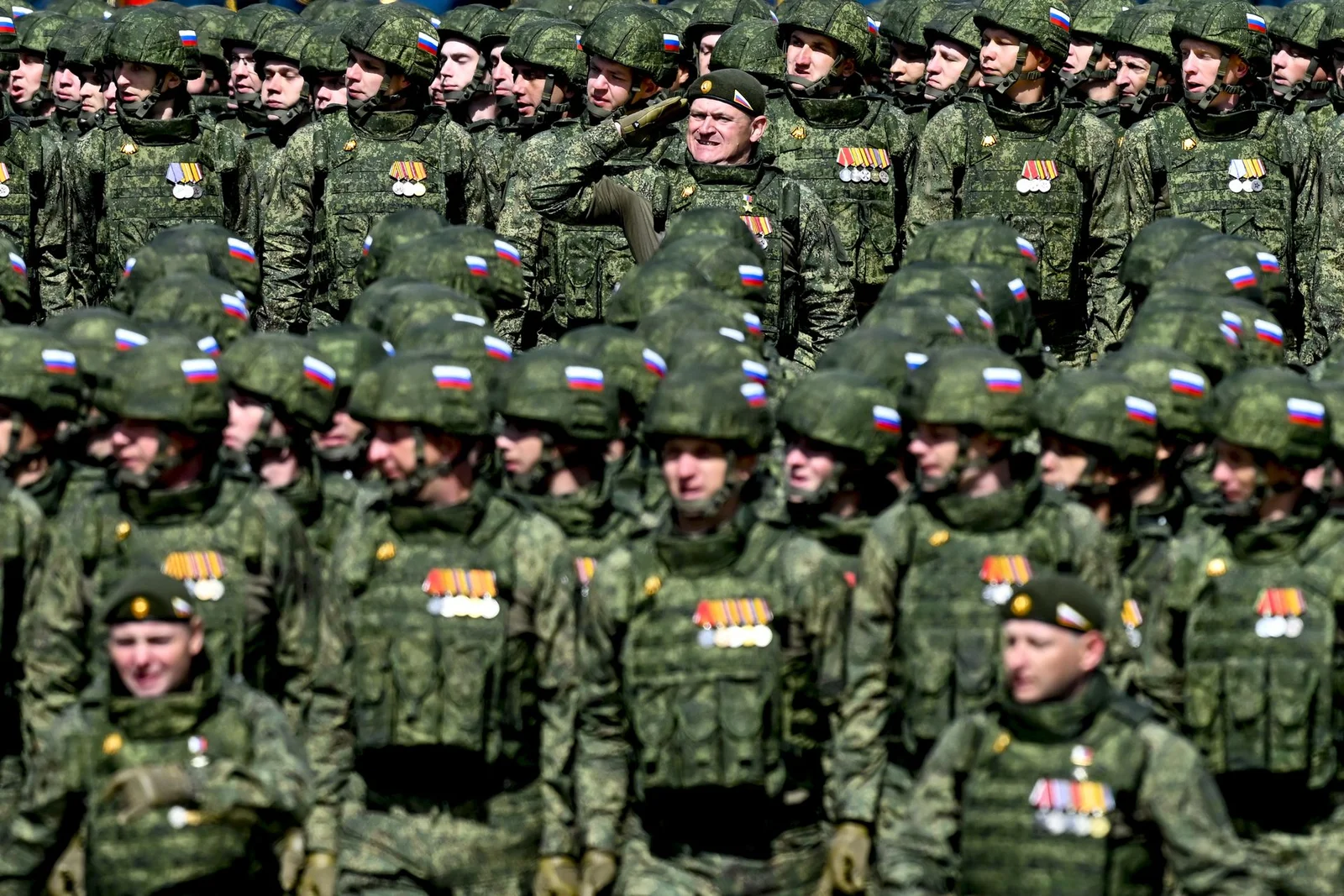
A field experiment across 60 Russian job postings found that applicants listing voluntary war service in Ukraine received 36.7% callbacks, versus 55% for conscripts, suggesting employers penalize war volunteers and complicate veterans’ reintegration despite state programs to aid them.
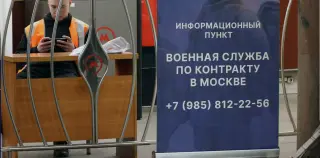
Russian security forces are detaining and pressuring civilians to sign military contracts amid a reported spike in mobilisation, with NGOs noting a peak since August and recruiters targeting financially vulnerable people and prisoners. As fear grows, more Russians seek to leave the country, fearing being trapped if a new draft occurs, while official denials continue despite evidence of recruitment campaigns and ongoing casualties in Ukraine.
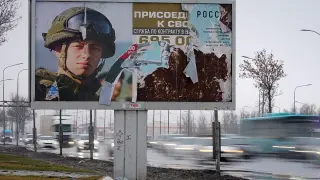
Putin is reportedly stepping up coercive recruitment to avert a mass mobilization, offering large signing bonuses (up to roughly $56,000) and using third‑party recruiters to fill hundreds of thousands of front‑line troops as Moscow fights in Ukraine; the drive targets various groups, including people with criminal records, and locals are under pressure to meet a 409,000‑soldier annual target, reflecting manpower shortages and the war's toll on Russian society.
Ukraine is struggling to mobilize troops as recruitment officers face rising violence—from assaults to stabbings—with police reporting more than 600 assaults and attacks fueling a broader backlash against conscription. The phenomenon of 'busification'—pulling men off streets into buses for service—highlights manpower shortages, while a government shake-up (the sacking of Defence Minister Fedorov) has stalled reforms. Personal accounts describe fear of frontline combat and coercive tactics, and officials are weighing options such as police-led patrols, better training, and higher pay, though no durable solution has emerged.
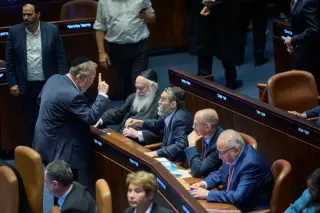
Israel's parliament approved laws that formalize the exemption of ultra-Orthodox men from compulsory military service, solidifying a long-standing policy amid ongoing domestic debate and political pressure.
Ukraine opened a criminal investigation after about 200 civilians in Lviv surrounded and overturned a military recruitment vehicle following the detention of a man for dodging service; two criminal cases were started for obstructing the Armed Forces during martial law and for violence against a police officer, highlighting rising tensions around mobilisation as the war continues.
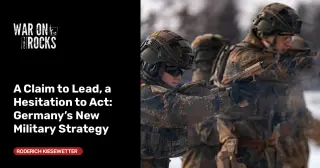
Germany’s new military strategy is criticized as more political analysis than a concrete plan: it foregrounds Russia as the primary threat, urges Europe to assume a larger defense role within NATO, and highlights multi-domain warfare, AI, and drones, but offers vague timelines (defense readiness by 2029, full strength by 2039), no concrete force-building targets, and few structural reforms for the Bundeswehr. The piece argues for urgent action—potential conscription or other rapid measures—and for translating analysis into tangible modernization and procurement steps, or risk failing to deter threats or lead Europe as promised.
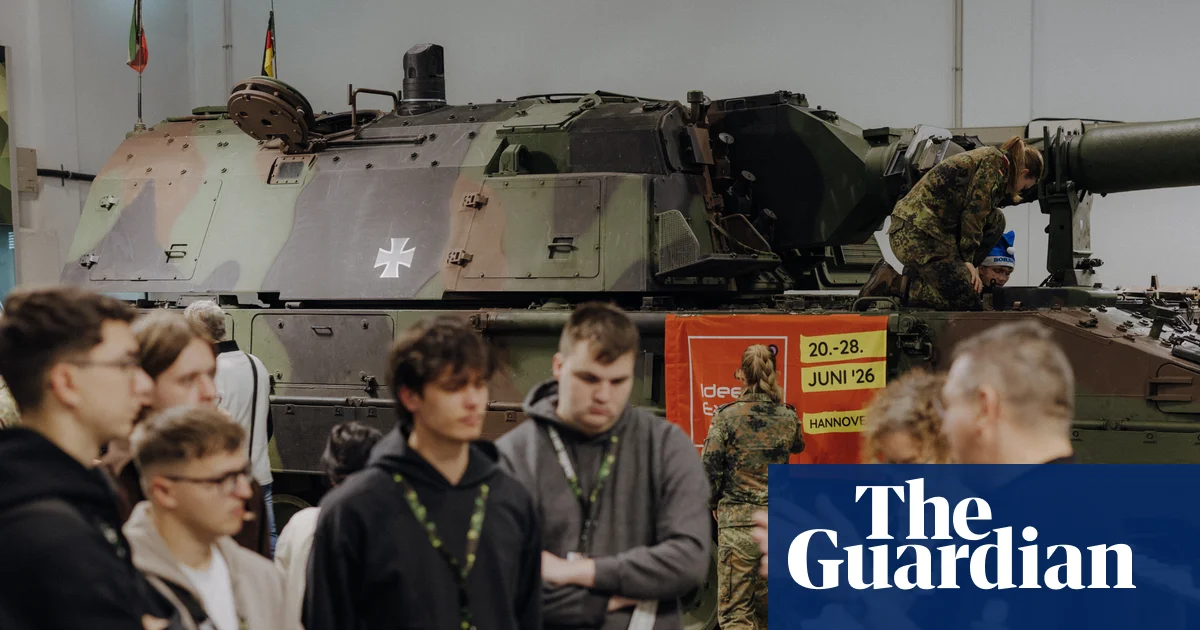
Facing a rising Russian threat and a sometimes fraught U.S.-Germany relationship, Berlin is accelerating military buildup to be capable by 2029, including larger defense spending, stockpile growth, and industrial ramp‑up for drones, to deter aggression and strengthen NATO’s eastern flank. German generals say ties with American counterparts remain solid, but domestic opinion on conscription is divided and public debates about Germany’s role in its own security persist as the Bundeswehr expands.
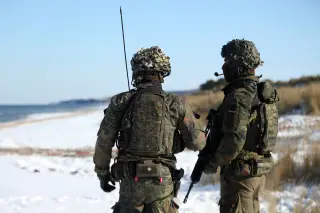
Germany unveiled a sweeping 20-year overhaul for the Bundeswehr, including its first standalone military strategy, a flexible capability profile, and a large ramp-up of personnel and reserves aimed at making Germany Europe’s strongest conventional force by 2039. Framed around a ‘Responsibility for Europe’ doctrine, it treats Russia as the top threat and adopts a ‘one theater’ view across Europe, the Middle East, and the Indo-Pacific, shifting from rigid hardware quotas to effects-based planning (long-range strike, air defense, drones). The plan envisions active troops rising to about 260,000 and reserves to 200,000 (total ~460,000), with conscription a fallback if targets aren’t met, plus an EMA26 modernization drive to cut bureaucracy and boost AI-enabled administration. Implementation will face global procurement constraints and changing demand for air-defense systems.
Rob Schneider urged reinstating a two-year mandatory military draft for 18-year-olds, with options to serve overseas or at home, arguing it would unite Americans and instill discipline. The piece notes the draft ended in 1972 and that men 18–25 must register with the Selective Service; the White House says a draft isn’t currently planned, though options remain on the table amid tensions with Iran.
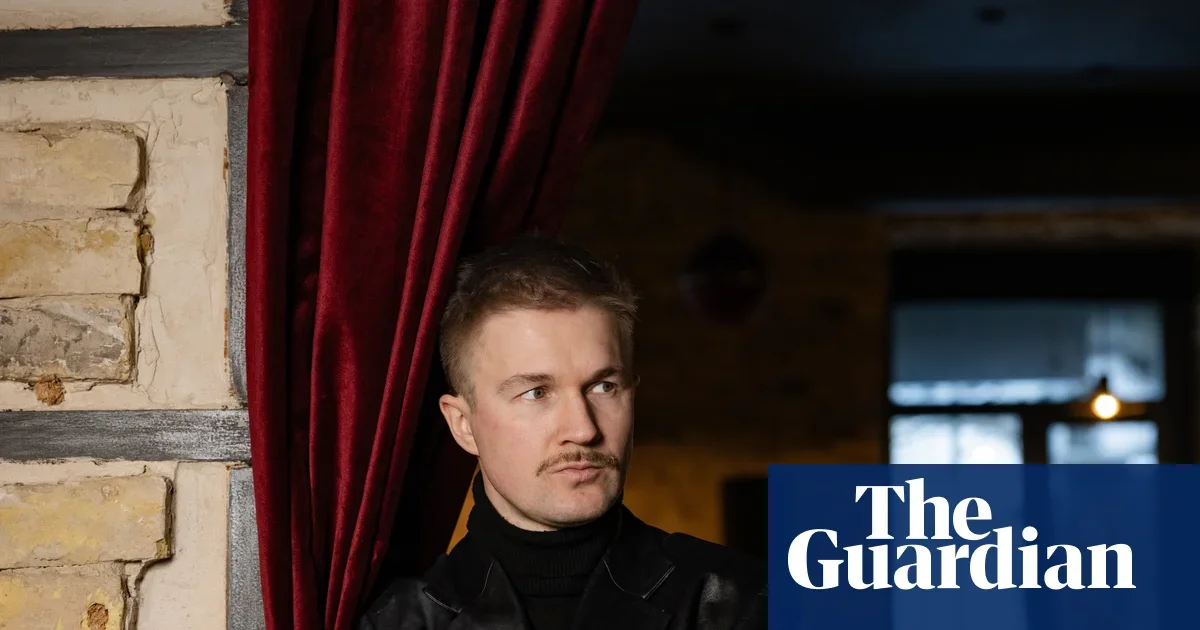
After Russia’s Feb. 24 invasion, Ukraine imposed martial law banning men 18–60 from leaving, forcing families to make painful, rapid decisions about who stays or departs; the episode follows a DJ named Alex living with fear of the frontline, while Guardian reporters discuss enduring hopes for peace.
Hundreds of ultra-Orthodox men chased two female IDF squad commanders during an official home visit in Bnei Brak, leading to riot police intervention with stun grenades, 23 arrests, and injuries to three officers. Prime Minister Netanyahu condemned the chaos, while footage showed local support for the Haredim. The incident underscores long-running disputes over ultra-Orthodox military service amid Israel’s Gaza war and a 2024 Supreme Court ruling that opened conscription for the community, fueling political tensions within the coalition.
As Ukrainian casualties mount, Moscow expands conscription and authorizes year‑round drafts while leaning on reservists to guard infrastructure; Russia also relies on contract soldiers and foreign recruits to replenish forces, aiming to avoid nationwide mobilization amid budget limits and political risk, even as casualty patterns increasingly impact provinces outside Moscow.
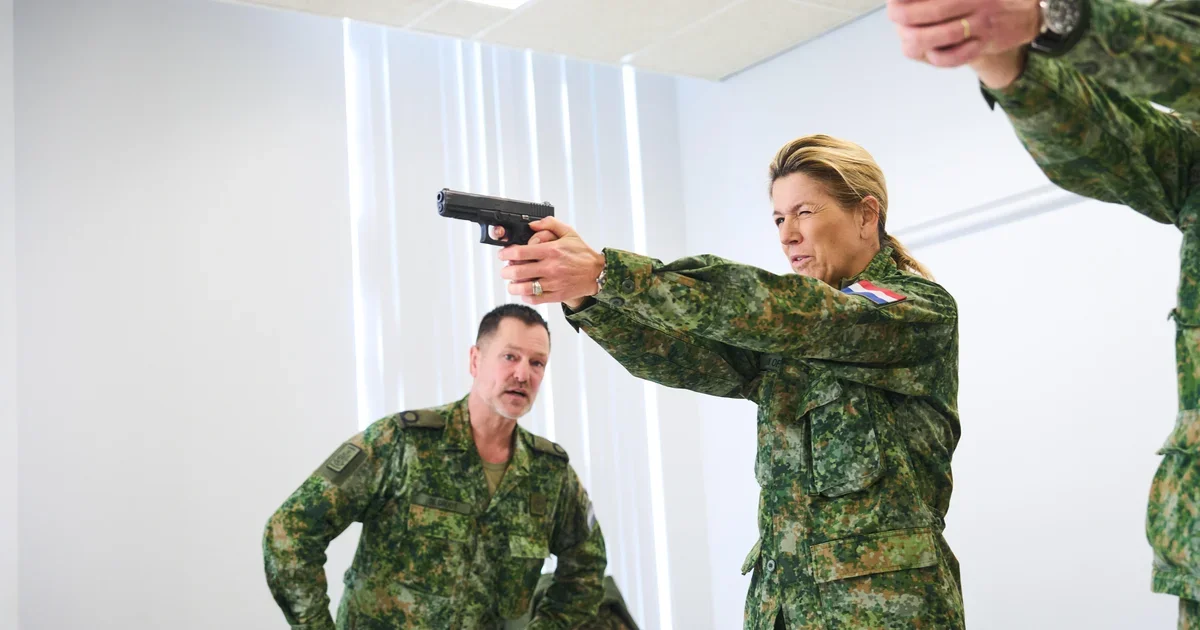
Queen Maxima of the Netherlands has joined the Royal Netherlands Army as a reservist, training at Breda and slated for promotion to lieutenant colonel. She says the move—driven by concerns that safety can no longer be taken for granted—will see her deployed where needed, and follows a broader trend of royals serving in the military amid Europe’s security jitters and renewed interest in conscription.
Germany's military is actively recruiting on a large scale to expand its forces, using public outreach and incentives to attract volunteers, amid a shift in public perception and increased defense spending, as the country prepares for a new era of national security.