
Ethiopia and Tigray Exchange Accusations of Offensives as Drone Strikes Kill Civilians
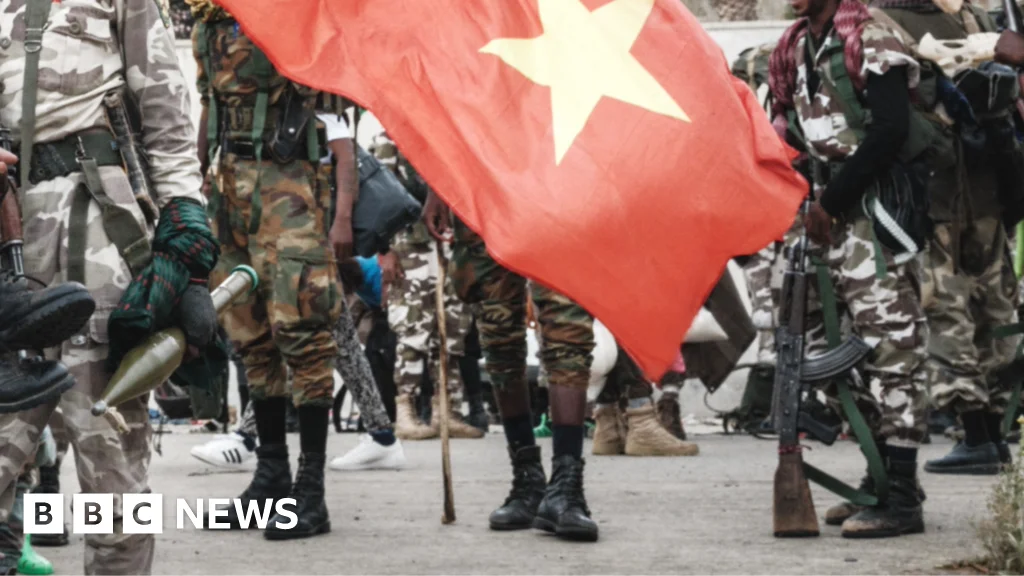
Ethiopian federal authorities and the Tigray People's Liberation Front (TPLF) have accused one another of launching military offensives, raising fears of a renewed full-scale war. Tigrayan forces seized federally administered airports in the region, prompting the cancellation of all Ethiopian Airlines flights to Tigray. Concurrent drone strikes in the town of Alamata killed at least 14 civilians and injured 22 others, with local officials alleging that schools were targeted. The federal government has not commented on the strikes, while Tigrayan authorities describe the events as an 'open invasion' and a violation of international law. This escalation follows months of mutual accusations regarding the breach of the 2022 peace deal and a recent announcement by the TPLF to join a broader rebel alliance aimed at ousting Prime Minister Abiy Ahmed.
Key points
- Cabinet minister Getachew Reda accused Tigrayan fighters of seizing federal airports and launching offensives in the neighboring Afar and Amhara regions.
- Tigrayan authorities declared a 'defensive war' following reports of drone strikes, including a Tuesday attack in Alamata that killed 14 people and injured 22.
- The mayor of Alamata stated that more than 21 strikes were carried out by drones and a fighter jet, targeting two secondary schools that were unoccupied due to the academic break.
- Ethiopian Airlines has cancelled all flights to Tigray following the seizure of local airports by regional forces.
- The US State Department condemned a separate Monday drone strike targeting a convoy of Catholic food aid vehicles, urging an investigation and dialogue.
- The TPLF recently announced an alliance with six other armed groups to challenge the federal government, intensifying regional tensions.
Background
The current escalation follows the 2022 Pretoria Agreement, which ended a two-year civil war in Tigray that resulted in an estimated 600,000 deaths. Tensions have risen since the TPLF restored its pre-war administration in May 2026, disbanding the interim administration appointed by Prime Minister Abiy Ahmed. Recent months have seen mutual accusations of violating the peace deal, including reports of forced recruitment by the TPLF and federal drone strikes. The latest developments occur shortly after the formation of the 'Alliance for Survival,' a coalition of seven rebel groups including the TPLF, which aims to oust Abiy Ahmed.
Why it matters
The exchange of military accusations and civilian casualties signals a potential collapse of the 2022 peace agreement, risking a return to the deadliest conflict in the region's recent history. The seizure of federal infrastructure and the targeting of civilian sites, including schools, indicate a shift from localized skirmishes to broader hostilities. The involvement of multiple armed groups in a new alliance suggests that the conflict may expand beyond Tigray into other regions, potentially destabilizing Ethiopia's ethnic federal system and threatening regional security.
What to watch
Observers will monitor whether the federal government responds to the seizure of airports with further military action or diplomatic engagement. The US State Department's call for an investigation into the food aid strike may influence international pressure on both sides. The stability of the new rebel alliance and the implementation of the Pretoria Agreement will determine if the current escalation leads to a full-scale war or a negotiated de-escalation.
Want the full story? Read the original reporting
Read on BBC