
Ethiopia Bans Drones After Overnight Blasts in Capital
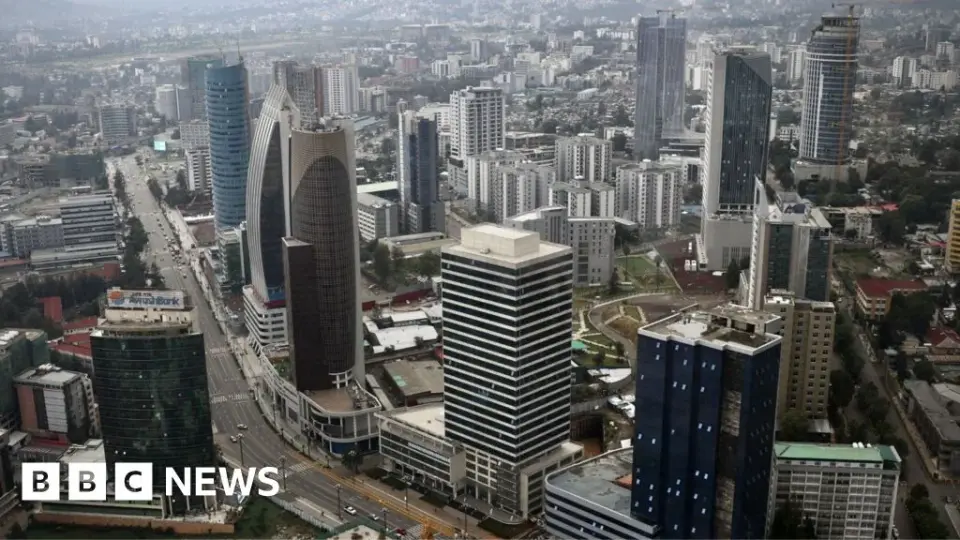
Explosions were heard in Addis Ababa overnight following an indefinite ban on drone flights by the National Intelligence and Security Service. Opposition forces claimed responsibility for the blasts, which occurred near military headquarters and secret service bases. The violence follows a week of renewed fighting in Tigray between the government and a new rebel alliance. Ethiopia has also expelled Eritrean diplomats, accusing the neighbor of supporting the insurgents, a claim Eritrea denies.
Key points
- Explosions were reported in the Gotera and Torhayloch neighborhoods of Addis Ababa around 00:30 local time, with residents describing loud blasts that triggered car alarms.
- The National Intelligence and Security Service imposed an indefinite ban on all drone flights over the capital and surrounding areas, citing the need to protect national leaders and critical infrastructure.
- A source linked to opposition fighters told Reuters that they conducted the drone strikes, marking the first known such attack on the capital since the 2020-2022 civil war ended.
- Ethiopia’s foreign ministry announced the closure of its embassy in Eritrea and the expulsion of 10 Eritrean diplomats, accusing them of activities threatening national security.
- Fighting in Tigray has resulted in at least 52 civilian deaths in the town of Alamata over three days, according to a medic, while tens of thousands have fled in the Afar region.
- The conflict involves the Tigray People’s Liberation Front (TPLF) and the Fano militia, which formed an alliance with five other armed groups to oppose Prime Minister Abiy Ahmed’s government.
Background
This escalation follows months of tension between the Ethiopian government and the Tigray People’s Liberation Front (TPLF), which ended a brutal two-year civil war in 2022. The current conflict began last week after both sides accused the other of violating the peace deal. The 2022 war is estimated to have cost 600,000 lives. Relations between Ethiopia and Eritrea have deteriorated significantly since the war, largely due to Prime Minister Abiy Ahmed’s ambitions to secure access to Red Sea ports, including the port of Assab, which is located about 60km from the border. Eritrea was a key ally of Ethiopia during the 2020-2022 conflict but has since become a point of contention.
Why it matters
The drone strikes in the capital signal a significant escalation in the conflict, moving the war from the northern regions into the heart of the government. The indefinite drone ban and the expulsion of Eritrean diplomats indicate a hardening of Ethiopia’s stance against perceived external interference. The spread of fighting to the Afar region, which connects landlocked Ethiopia to Djibouti, threatens critical trade routes and could have broader economic implications for the Horn of Africa. The inability to verify facts on the ground due to internet and telecom cuts in Tigray complicates humanitarian efforts and international monitoring.
What to watch
The situation is likely to remain volatile as the government and the rebel alliance continue to fight for control in Tigray and surrounding regions. The indefinite drone ban may lead to further security measures in Addis Ababa. Diplomatic relations between Ethiopia and Eritrea are expected to deteriorate further following the expulsion of diplomats. The humanitarian crisis in Afar and Tigray may worsen as displacement continues. International observers will likely monitor the conflict closely, given the potential for regional spillover and the impact on trade routes through Djibouti.
Want the full story? Read the original reporting
Read on bbc.com