
Sevastopol Soldier Kills Four in Crimea Shooting Spree
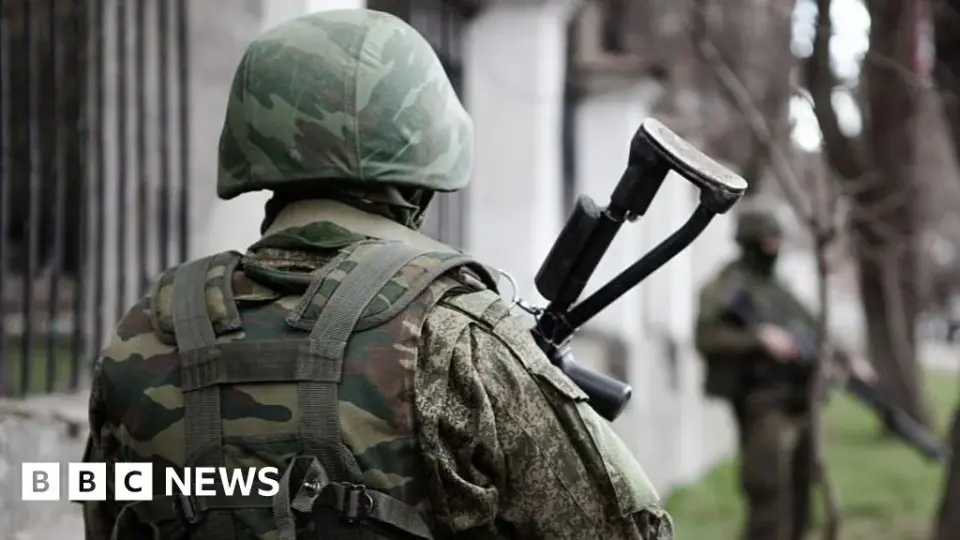
A Russian soldier opened fire in the Crimean village of Khmelnitskoye, killing four people and wounding four others before being detained. The victims included one fellow serviceman and three civilians aged 59, 64, and 71. Mikhail Razvozhayev, the Moscow-installed governor of Sevastopol, confirmed the incident on Telegram, stating that emergency services and investigators are currently processing the scene. While the shooter’s specific identity remains unverified by major outlets, local chat groups cited by the exiled outlet Agentstvo named a 21-year-old from Saratov region as the suspect. The attack occurred amid ongoing Ukrainian drone strikes targeting Russian logistics in the peninsula.
Key points
- Four people were killed and four wounded in a shooting in Sevastopol, Crimea, according to Moscow-installed governor Mikhail Razvozhayev.
- The victims included one soldier and three civilians; the civilians were aged 71, 64, and 59.
- The attacker was detained by authorities, and Razvozhayev urged residents to rely only on official information.
- The exiled outlet Agentstvo identified the shooter as 21-year-old Maxim Alistratov from Saratov, though this claim was not independently verified by The Moscow Times.
- The incident took place in the village of Khmelnitskoye, with the suspect initially fleeing into nearby woods before capture.
Background
This incident occurs during a period of intensified Ukrainian retaliatory strikes against Russian infrastructure in occupied Crimea. Recent archive data indicates that Ukrainian forces have targeted power substations, air defense systems, and logistics networks in the region, including the Kerch Bridge and S-400 batteries. While the current shooting appears to be an isolated act by a single soldier, it highlights the volatile security environment in the peninsula, which has faced frequent drone attacks and explosions in recent months.
How outlets are covering it
BBC reported the event as a 'gun rampage' involving a soldier killing four people. The Moscow Times and Euronews provided detailed breakdowns of the victims, confirming the mix of military and civilian casualties. The Moscow Times noted that the shooter’s identity was unverified by their team, whereas Agentstvo claimed to have identified him via local chat groups. Euronews emphasized the lack of clarity regarding the shooter’s nationality and motives, while Razvozhayev’s statements focused on the immediate containment of the situation and the need for public calm. All sources agree on the death toll and the location, but differ in the level of detail regarding the suspect's identity and the specific sequence of the attack.
Why it matters
The shooting underscores the internal instability and potential for rogue actions within Russian military units deployed in occupied territories. It adds to the broader narrative of a deteriorating security situation in Crimea, where Russian forces are simultaneously dealing with external Ukrainian drone threats and internal disciplinary or mental health crises among personnel. The release of a US citizen by Russia, mentioned in the primary source headline but not detailed in the body, suggests a parallel diplomatic track, but the shooting itself signals a lack of control over ground-level security in the annexed region.
What to watch
Russian authorities are expected to conduct a formal investigation into the motives and circumstances of the shooting. The detained suspect will likely face military or civilian justice proceedings. Given the recent history of Ukrainian strikes, security protocols in Sevastopol and surrounding areas may be tightened. Further details regarding the suspect's identity and background may emerge as Russian state media releases official statements, potentially contradicting or confirming the claims made by exiled outlets like Agentstvo.
- Soldier kills four in gun rampage in Russian-occupied Crimea bbc.com
- Russian soldier kills colleague and three civilians in Crimea Reuters
- Russian Soldier in Crimea Shoots and Kills Fellow Serviceman and 3 Civilians The Moscow Times
- Soldier kills four in Crimea, Moscow-installed governor says Euronews.com
- How Infantino will be framing his battle to remain FIFA president Inbox.eu
Want the full story? Read the original reporting
Read on bbc.com