
Saudi Strike on Yemen Fuel Depot Sparks Houthi Retaliation Against Riyadh
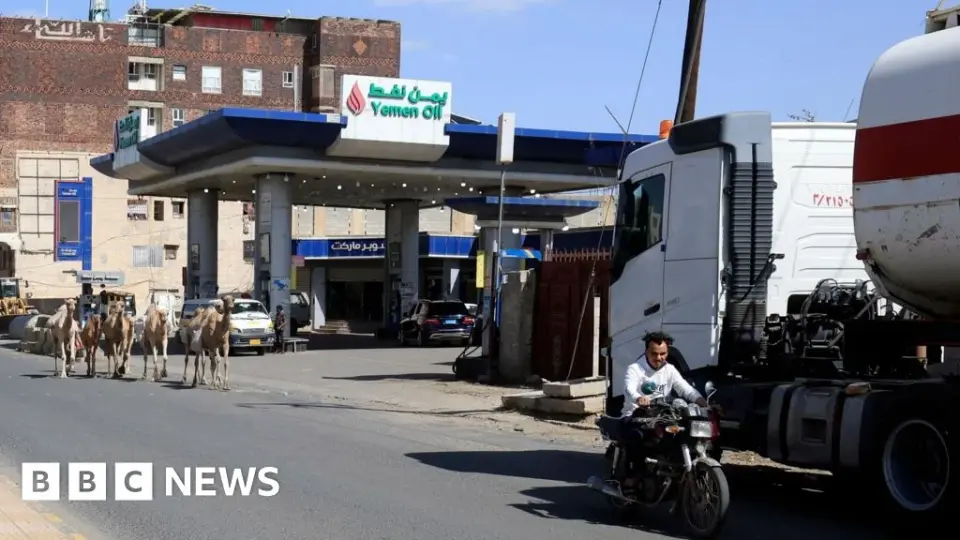
Saudi-led coalition forces struck the al-Sabaha fuel depot in Sanaa, Yemen, on Tuesday, triggering a Houthi missile and drone barrage against Saudi cities. While Saudi air defenses intercepted most projectiles, shrapnel injured civilians in Dhahran and caused minor fires at an Aramco building. The Houthis declared Aramco facilities and Riyadh’s King Khalid International Airport 'legitimate targets' in retaliation. This escalation follows a deadly weekend attack on the Riyadh airport that killed 13 people and has led to suspended international flights. The conflict, which reignited in July, has displaced over 216,000 people in Yemen and raised global oil prices due to threats to Red Sea shipping routes.
Key points
- Saudi coalition struck the al-Sabaha Central Station in Sanaa, described as the Houthis' largest fuel hub with a capacity of 58,000 metric tonnes, though Houthi-run officials claimed it held no stock.
- Houthis launched missiles and drones at Riyadh, Dammam, and Dhahran; Saudi authorities confirmed interceptions but reported four injuries from debris and a limited fire at an Aramco administration building in Dhahran.
- Houthi spokesman Yahya Saree warned that Aramco headquarters in Dammam and the Riyadh refinery are now legitimate targets, urging civilians to evacuate these sites.
- The Saudi cabinet, chaired by Crown Prince Mohammed bin Salman, vowed the Houthis would 'bear the consequences' of their attacks, following a weekend strike on King Khalid International Airport that killed 13 people.
- US President Donald Trump criticized the Houthis for 'behaving very badly' and potentially influencing oil prices, suggesting he might ask Turkish President Erdogan to intervene, though he did not commit to direct US military action.
Background
The current escalation follows a breakdown of a four-year informal ceasefire in July 2026, when Houthis began targeting Saudi shipping and infrastructure in response to what they described as a blockade. Previous archive coverage notes that Houthi attacks have increasingly targeted Mecca and major oil pipelines, with Brent crude prices rising to nearly $108 per barrel. The conflict has also seen internal divisions among anti-Houthi forces, including the Southern Transitional Council, which is pushing for greater autonomy in southern Yemen.
How outlets are covering it
BBC and CNN emphasize the military exchange, noting Saudi air dominance versus Houthi drone tactics, while highlighting the humanitarian toll in Yemen. Al Jazeera focuses on the Houthi warnings to evacuate Aramco facilities and the immediate threat to Saudi energy infrastructure. The Guardian provides broader geopolitical context, noting that while Saudi Arabia has air superiority, Houthi drones are becoming harder to detect, and highlights the potential for the conflict to influence US midterm elections through oil price volatility. All sources agree on the core facts of the strike and retaliation but differ in emphasis: BBC and CNN focus on the immediate military response, while Al Jazeera and The Guardian highlight the strategic threats to energy infrastructure and regional stability.
Why it matters
The strike on the al-Sabaha depot and subsequent Houthi threats to Aramco facilities risk disrupting global oil supply chains, particularly through the Red Sea and Bab al-Mandeb Strait. The closure of King Khalid International Airport and suspended flights by major airlines like Air France and Lufthansa indicate significant economic and logistical impacts. Furthermore, the escalation could draw in other regional powers, as suggested by Trump’s potential request for Turkish intervention, and exacerbate humanitarian crises in Yemen, where cholera cases have tripled in three weeks.
What to watch
Houthis have vowed continued attacks on Saudi economic and aviation targets if Saudi strikes persist. Saudi forces are expected to maintain air support for Yemeni government forces in the 'Dawn of Yemen' offensive. International airlines may keep flights suspended, and oil prices could remain volatile if Red Sea shipping routes are further threatened. The Saudi cabinet is likely to pursue further military responses, while the UN and ICRC may issue new calls for de-escalation as civilian casualties rise.
- Missiles intercepted near Riyadh after Saudi coalition hits Yemen fuel depot BBC
- Saudi Arabia strikes key fuel depot in Yemen as conflict with Houthis escalates CNN
- Houthis threaten Saudi Aramco facilities, airports amid escalating conflict Al Jazeera
- Qatar Airways, Etihad Airways suspend flights to Saudi hubs following Houthi attacks in Riyadh | LIVE BLOG i24NEWS
- Saudi Arabia strikes oil depots in Yemen and says missiles launched toward location of Saudi Aramco HQ The Guardian
Want the full story? Read the original reporting
Read on BBC