
Ethiopia’s 2022 Peace Shatters as TPLF and Six Rival Groups Launch Joint Offensive
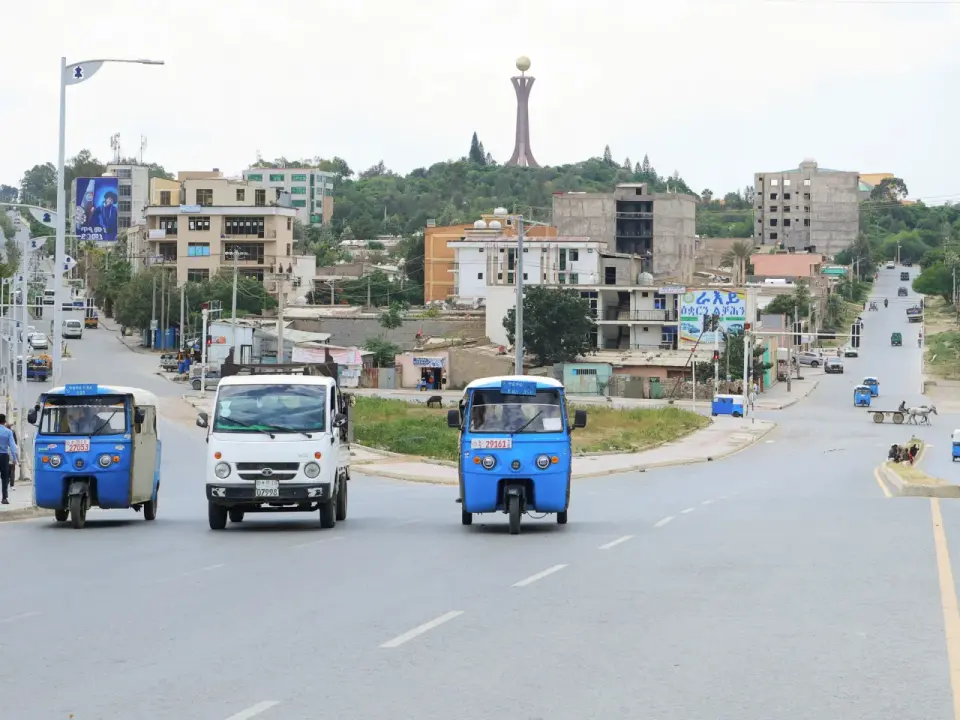
Fighting has erupted across northern Ethiopia as the Tigray People’s Liberation Front (TPLF) and six other armed groups launch a coordinated offensive against federal forces. The conflict, which began with TPLF seizures of airports in Mekelle and other locations, has spread into the Afar and Amhara regions. This escalation effectively invalidates the 2022 Pretoria peace agreement, which ended a two-year war that killed an estimated 500,000 to 600,000 people. The new coalition, the Ethiopian Peoples’ Forces Alliance for Survival, aims to oust Prime Minister Abiy Ahmed. While the federal government claims to have repelled attacks, Tigrayan leaders describe the situation as a full-scale war. International actors, including the African Union and IGAD, have called for an immediate cessation of hostilities.
Key points
- The TPLF and six other groups, including the Oromo Liberation Army and Amhara Fano National Movement, formed the Ethiopian Peoples’ Forces Alliance for Survival to overthrow Prime Minister Abiy Ahmed.
- TPLF forces seized control of airports in Mekelle, Aksum, and Shire, leading Ethiopian Airlines to suspend all flights to the region.
- Fighting has spread beyond Tigray into the neighboring Afar and Amhara regions, with reports of drone strikes and artillery exchanges.
- The 2022 Pretoria peace deal, which ended the previous Tigray war, is now considered collapsed by analysts and officials.
- The African Union and IGAD have called for de-escalation, while the U.S. expressed disappointment in the TPLF’s decision to launch a large-scale offensive.
Background
The current conflict follows the 2022 Pretoria agreement, which ended a devastating two-year war between the Ethiopian government and the TPLF. That war resulted in an estimated 500,000 to 600,000 deaths, including from violence, famine, and the collapse of health services. The peace deal fractured the previous coalition of forces fighting the TPLF, leading to subsequent tensions with Eritrea and the Amhara Fano movement. In May 2026, the TPLF forced out a regional leader loyal to Abiy Ahmed and replaced him with a council led by Debretsion Gebremichael, signaling a rejection of the political order established by the Pretoria deal.
How outlets are covering it
Al Jazeera and The Washington Post emphasize the formation of the new seven-group alliance as a pivotal shift, noting that it brings together groups with historically conflicting grievances. The LA Times highlights the effective shattering of the 2022 peace deal and the potential for a broader regional conflict, particularly given tensions with Eritrea. BBC reports on the federal government’s claim of repelling attacks, while noting that Tigrayan leaders describe the situation as a full-blown war. The Washington Post and LA Times both cite the high death toll of the previous war to underscore the severity of the current escalation. Al Jazeera provides detailed background on the political realignment following the Pretoria agreement, while BBC focuses on the immediate humanitarian impact and the seizure of airports.
Why it matters
The renewed fighting threatens to reignite a civil war that previously killed hundreds of thousands and displaced millions. The formation of a broad alliance among previously rival groups could destabilize the entire Horn of Africa, with potential spillover effects into Sudan and Eritrea. The collapse of the 2022 peace deal undermines regional stability and raises concerns about a return to large-scale conflict in Ethiopia.
What to watch
International mediators, including the African Union and IGAD, are calling for de-escalation and direct dialogue. The federal government and the rebel alliance are likely to continue military operations, with the potential for further expansion into other regions. The humanitarian situation is expected to worsen, with concerns about access to cash and basic services in affected areas. The outcome of the conflict will depend on the ability of the new alliance to maintain cohesion and the federal government’s capacity to repel the offensive.
- Fighting widens across Ethiopia as Tigray clashes escalate Al Jazeera
- A disastrous new war threatens in Africa The Economist
- Renewed fighting in northern Ethiopia effectively shatters 2022 peace deal that ended war latimes.com
- Ethiopia's army says it has repelled TPLF attacks in first comment on fresh Tigray fighting BBC
- Ethiopia’s last civil war killed over half a million. Another may be starting. The Washington Post
Want the full story? Read the original reporting
Read on Al Jazeera