
Ethiopia’s Northern Fronts Ignite as Rebel Alliance Seizes Airports and Cuts Communications
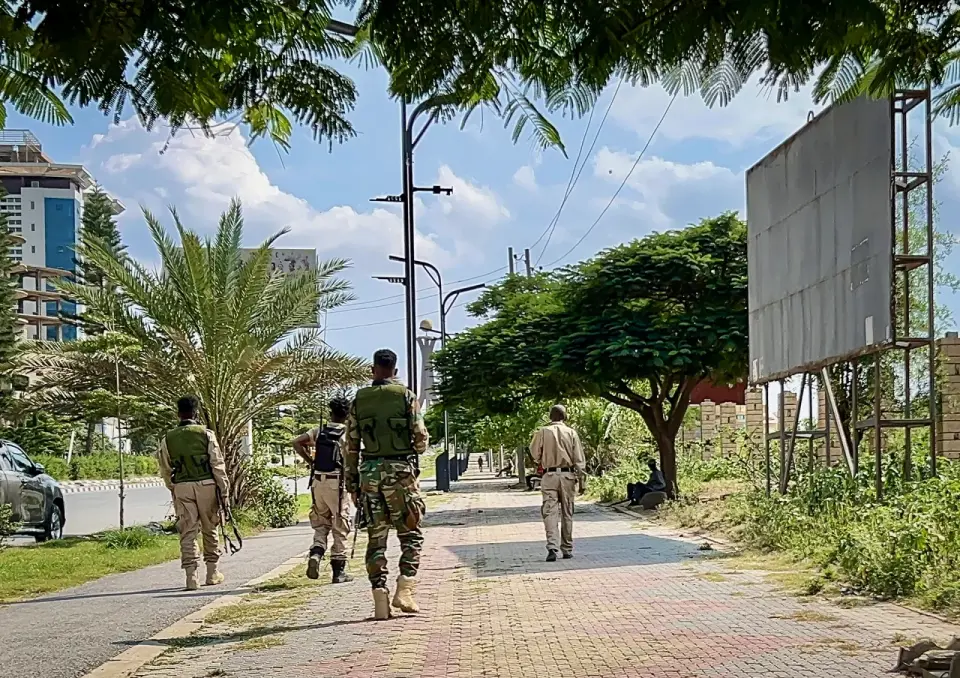
Fighting has escalated across northern Ethiopia as a new seven-group rebel alliance, led by the Tigray People’s Liberation Front (TPLF), launched a coordinated offensive against Prime Minister Abiy Ahmed’s government. Tigrayan forces seized three airports and cut off telecommunications, sparking fears of a repeat of the 2020-2022 civil war. The conflict has spread into the Amhara and Afar regions, with drone strikes hitting civilian areas and international observers warning of a potential regional war.
Key points
- The Ethiopian Peoples’ Forces Alliance for Survival, comprising seven armed groups, formally announced its goal to remove the federal government and establish a transitional administration.
- Tigrayan forces seized control of airports in Mekelle, Aksum, and Shire, prompting Ethiopian Airlines to suspend all flights to the region.
- Telecom networks in Tigray were cut off, with the TPLF ordering operators to disable services, potentially to counter government drone surveillance.
- Fighting has expanded beyond Tigray into the Amhara and Afar regions, with clashes reported between federal forces, Tigrayan troops, and the Amhara Fano National Movement.
- The African Union condemned the airport seizures as violations of the 2022 Pretoria peace agreement and urged de-escalation, while the US recently lifted sanctions on Ethiopia and Eritrea.
Background
This escalation follows the collapse of the 2022 Pretoria peace agreement, which ended a two-year civil war in Tigray that killed an estimated 600,000 people. Relations between the federal government and the TPLF had deteriorated for months, with smaller clashes beginning near the Sudanese border in August 2026. The current conflict marks the most serious violence since the 2020-2022 war, which was characterized by a communications blackout and supply blockade that led to famine-like conditions.
How outlets are covering it
Al Jazeera emphasizes the immediate humanitarian and logistical impact, highlighting the telecom blackout and fears of a full-scale war similar to the 2020-2022 conflict. CNN focuses on the political shift, noting that former enemies from the previous war are now fighting side by side in the new alliance, and questions the long-term viability of this 'marriage of convenience.' ACLED provides a granular military analysis, noting that while the alliance may not succeed in overthrowing the government, the simultaneous activation of multiple fronts and drone strikes on civilian infrastructure makes the conflict difficult to contain. ACLED also highlights internal discord within the TPLF, including the detention of senior figures accused of sharing information with the federal government.
Why it matters
The conflict threatens to destabilize the Horn of Africa, with risks of drawing in neighboring Eritrea, which fears Ethiopia’s push for Red Sea access. The war could exacerbate existing humanitarian crises and displace millions, while the collapse of the 2022 peace deal undermines regional stability efforts. The involvement of multiple armed groups across different regions increases the likelihood of a prolonged, multi-front conflict that could further strain the already stretched Ethiopian military.
What to watch
The African Union has requested assistance from former Nigerian President Olusegun Obasanjo to mediate the crisis. The situation remains fluid, with the potential for further escalation if the federal government declares a state of emergency or if Eritrea becomes directly involved. Observers are monitoring whether the rebel alliance can maintain cohesion or if internal divisions will lead to a fragmented conflict.
- Fighting in northern Ethiopia spurs fears of blackout and blockade Al Jazeera
- Telecoms networks disrupted in Tigray as Ethiopia's military cites major losses by rebels Reuters
- War has returned to Ethiopia’s Tigray — and former enemies are now fighting together. What changed? cnn.com
- Ethiopia’s new rebel alliance faces an old problem Al Jazeera
- Ethiopia Conflict - Expert Insights acleddata.com
Want the full story? Read the original reporting
Read on Al Jazeera