
Ethiopia’s Tigray conflict escalates as new rebel alliance challenges federal control
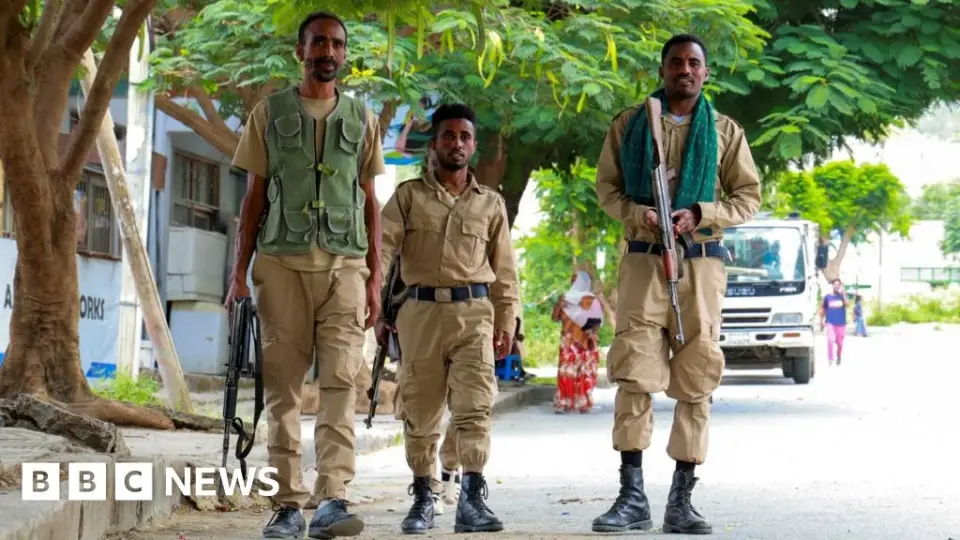
Fighting has resumed in Ethiopia’s Tigray region, shattering the 2022 Pretoria peace deal. The Tigray People’s Liberation Front (TPLF) has seized airports and launched offensives into neighboring Afar and Amhara, while federal forces respond with drone strikes. This escalation follows the formation of a new seven-group rebel alliance aimed at ousting Prime Minister Abiy Ahmed. International mediators, including the African Union, are urging a return to talks, but trust between Addis Ababa and Tigray remains critically low.
Key points
- The TPLF and federal forces are exchanging blame for the latest escalation; Tigray claims it is defending against a federal offensive, while Addis Ababa accuses Tigrayan forces of attacking first after seizing airports.
- A new coalition, the Ethiopian Peoples’ Forces Alliance for Survival, was formed in September, uniting the TPLF with the Amhara Fano movement, the Oromo Liberation Army, and four other groups to remove Abiy Ahmed from power.
- Unresolved issues from the 2022 peace deal, including the status of western Tigray and disarmament, have fueled tensions. The TPLF seeks to reclaim western Tigray, while the government insists a referendum should decide its future.
- Reports indicate federal forces are using drones against Tigrayan positions, with some strikes hitting schools that were previously used as military bases. Tigrayan authorities are reportedly forcibly recruiting young men.
- The African Union and UN have called for an immediate cessation of hostilities, with former Nigerian President Olusegun Obasanjo engaged as a special envoy to mediate the crisis.
Background
The current crisis follows a two-year civil war (2020–2022) that killed an estimated 600,000 people and left Tigray isolated and on the brink of famine. The 2022 Pretoria Agreement established an interim administration, but implementation stalled, leading to a return of the pre-war TPLF leadership before the May 2026 elections. Recent months have seen a deterioration in relations, with the TPLF restoring its old administration and mobilizing troops, while the federal government accused the TPLF of hiding weapons and destabilizing the region.
How outlets are covering it
BBC and Al Jazeera agree that the new rebel alliance is a major destabilizing factor, but Al Jazeera emphasizes the historical pattern of such coalitions fracturing due to internal disputes over territory and command. BBC highlights the humanitarian impact, such as panic buying and disrupted digital services, while Al Jazeera focuses on the strategic implications of the alliance’s formation. Horn Review offers a distinct perspective, arguing that the crisis is driven by an internal purge within the TPLF, where leaders opposed to Eritrean alignment are being removed to facilitate a strategic realignment with Asmara. While BBC and Al Jazeera view Eritrea’s role as a potential external threat, Horn Review suggests Eritrea is actively reshaping Tigrayan political structures to prevent an autonomous Tigrayan military threat. All sources agree that the Pretoria Agreement has effectively collapsed, but they differ on whether the primary driver is federal aggression, TPLF opportunism, or Eritrean strategic maneuvering.
Why it matters
The resumption of fighting in Tigray risks triggering a wider civil war across Ethiopia, as the new rebel alliance connects conflicts in Amhara, Oromia, and Afar. The involvement of Eritrea and the potential for cross-border escalation could draw in other regional powers, including Sudan and the UAE. The collapse of the peace deal also threatens to reverse progress in governance and economic recovery, leaving millions of Ethiopians vulnerable to renewed humanitarian crises and political instability.
What to watch
The African Union and UN are pressing for immediate talks, but trust between the parties is extremely low. The federal government is likely to continue military operations to defend its positions, while the TPLF and its allies may expand their offensives. The future of western Tigray and the disarmament process remain key sticking points. If the rebel alliance fails to achieve a decisive victory, it may fragment, leading to separate negotiations or renewed local conflicts. The situation could also escalate if Eritrea becomes more directly involved, potentially triggering a broader regional crisis.
- Ethiopia fighting: Are Tigray's TPLF forces and the army heading back to war? BBC
- Telecoms networks disrupted in Tigray as Ethiopia's military cites major losses by rebels Reuters
- Ethiopia’s new rebel alliance faces an old problem Al Jazeera
- A disastrous new war threatens in Africa The Economist
- Intelligence Report Details the Deep Crisis inside the TPLF & Eritrea's Subsequent Calculation horn review
Want the full story? Read the original reporting
Read on BBC