
Yemeni Forces Retake Mocha in 'Dawn of Yemen' Offensive as Houthis Strike Saudi Airports
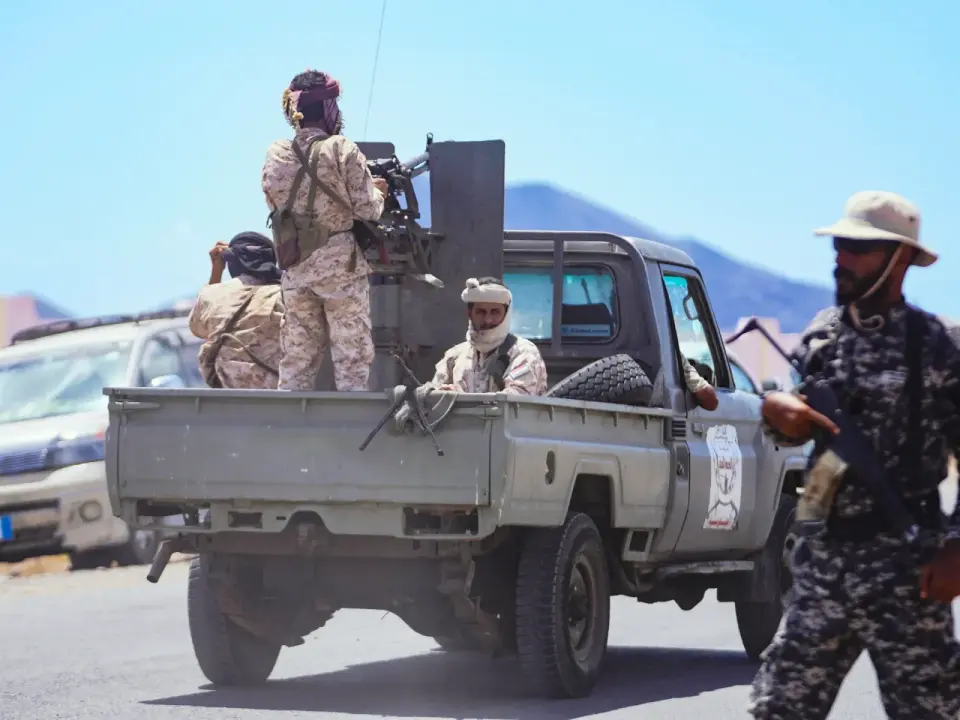
Saudi-backed Yemeni government forces have launched 'Operation Dawn of Yemen,' claiming the recapture of the strategic Red Sea port city of Mocha and key positions near the Bab al-Mandeb strait from the Houthis. In response, the Iran-aligned Houthis have intensified missile and drone attacks on Saudi infrastructure, including airports and oil refineries. The escalation has triggered a joint defense response from Saudi Arabia, Turkey, and Pakistan, while humanitarian conditions in Yemen continue to deteriorate with rising casualties and displacement.
Key points
- Yemeni government forces, supported by Saudi air strikes, claim control of Mocha, Dhubab, and mountains in Haifan, aiming to retake the capital Sanaa.
- The Houthis have denied losing Mocha, calling government reports 'fabricated heroics,' and have launched dozens of strikes on Saudi targets, including King Khalid International Airport and an Aramco refinery.
- Saudi Arabia confirmed three injuries from attacks on Jazan and Najran airports, while Turkey and Pakistan agreed to deploy forces under the Mecca Joint Defence Agreement.
- The International Organization for Migration reports over 184,000 people displaced since the war resumed, with the World Health Organization citing at least 959 deaths and 4,200 injuries.
- Oil markets remain volatile, with Brent crude trading near $100 per barrel due to fears of supply disruptions in the Red Sea and Persian Gulf.
Background
This escalation follows the collapse of the 2022 truce, with Houthi forces seizing the Bab al-Mandeb strait and Mocha in early September 2026. Previous archive coverage noted a surge in displacement, with 1,400 Yemenis fleeing to Djibouti in a single day in September, and the government's shift to using its own air power to counter Houthi advances. The current offensive is part of a broader regional conflict that began with US and Israeli strikes on Iran in late February 2026.
How outlets are covering it
Al Jazeera emphasizes the strategic importance of holding Mocha as a staging point for further advances, noting that the city is surrounded by Houthis on three sides. The outlet highlights the humanitarian crisis and the international response, including US intelligence support. CNBC focuses on the economic impact, noting that oil prices remain elevated due to fears of supply disruptions, and details the joint defense agreement between Saudi Arabia, Turkey, and Pakistan. AP News, while largely obscured by technical code in the provided text, frames the conflict within the context of broader US-Iran tensions. The Houthis, as reported by Al Jazeera, deny the loss of Mocha and describe government claims as false, while Saudi Arabia has confirmed some attacks but not all Houthi claims.
Why it matters
The control of the Bab al-Mandeb strait is critical for global shipping and oil exports. A Houthi hold on this route could disrupt energy supplies and increase global prices. The escalation also risks drawing in major regional powers, as seen with the joint defense response from Saudi Arabia, Turkey, and Pakistan. The humanitarian situation in Yemen is worsening, with a fragile health system nearing collapse and thousands of new casualties and displacements.
What to watch
The key question is whether Yemeni government forces can hold Mocha and use it as a base to advance further, including toward Sanaa. The Houthis are likely to continue attacks on Saudi infrastructure to deter the offensive. International actors, including the US, will monitor the situation for potential escalation, while humanitarian agencies will focus on providing aid to the displaced and injured. Oil markets will remain sensitive to any developments in the Red Sea or Persian Gulf.
- Yemen forces claim key gains near Bab al-Mandeb: What’s the latest? Al Jazeera
- Yemeni government forces seize strategic strait from Houthis Reuters
- What to know as the fighting in Yemen escalates while US-Iran tensions remain high AP News
- Saudi-Led Forces Claim Yemen Ground Advances Against Houthis Bloomberg.com
- Yemen forces reclaim key Red Sea port city from Iran-backed Houthis in major counteroffensive CNBC
Want the full story? Read the original reporting
Read on Al Jazeera