
Trial alleges 14-year-old boy stabbed Blaina girl 55 times
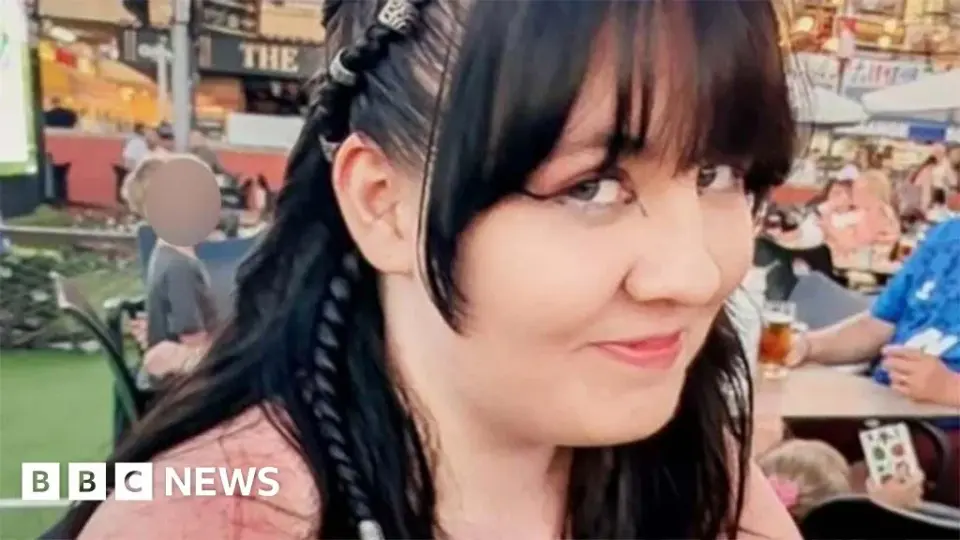
A 14-year-old boy stands accused of murdering 14-year-old Lilly Jones in Blaina, Wales, after her body was found with 55 stab wounds in woodland near her home. Prosecutors allege the boy, who denies the charge, used a camping knife found in his bedroom, with forensic evidence linking his DNA to the weapon and the victim’s fingernails. The trial at Newport Crown Court highlights a tragic case involving two minors, with prosecutors arguing the boy was the last person to see Lilly alive before she disappeared the day after her 14th birthday.
Key points
- Lilly Jones, 14, went missing on June 20, 2026, and her body was found two days later in woodland near Duffryn Park in Blaina, Blaenau Gwent.
- Prosecutors allege a 14-year-old boy stabbed her approximately 55 times, causing fatal injuries to her heart, lungs, and neck artery.
- A camping knife with Lilly’s DNA was found in the defendant’s bedroom; his DNA was also found under her fingernails, suggesting she scratched him during the attack.
- The defendant denies murder, claiming Lilly left to meet someone else, but prosecutors note his phone showed 30 searches for Gwent Police the morning after her disappearance.
- The trial is ongoing at Newport Crown Court, with the judge noting the distressing nature of a case involving two 14-year-olds.
Background
This case follows earlier high-profile youth murder trials, such as the 2022 killing of Samantha Humphrey in New York, which also involved a 14-year-old victim and a young defendant. In contrast to adult homicide cases, this trial emphasizes the complexities of youth justice, where defendants under 18 are tried in crown court but held in secure youth accommodation. The case also echoes broader concerns about adolescent violence, where forensic evidence and digital footprints play a critical role in building prosecution cases.
How outlets are covering it
BBC and The Telegraph focus on the forensic evidence, including the camping knife and DNA matches, while The Guardian highlights the relationship dynamics, noting Lilly learned the boy was involved with another girl. The Telegraph emphasizes the boy’s shifting accounts to police, whereas The Guardian notes the prosecution’s argument that Lilly did not meet anyone else that night. All sources agree on the 55 stab wounds and the location of the body, but The Guardian uniquely mentions the planned confrontation by Lilly and another girl, adding context to the motive.
Why it matters
The trial underscores the severe consequences of youth violence and the challenges of prosecuting minors in serious criminal cases. It highlights the role of forensic and digital evidence in modern investigations and raises questions about adolescent decision-making and conflict resolution. The case also draws attention to the emotional toll on communities and families when young people are involved in violent crimes.
What to watch
The trial at Newport Crown Court will continue, with further evidence and testimony expected to be presented. The jury will need to determine whether the prosecution’s case, based on forensic and circumstantial evidence, is sufficient to convict the 14-year-old boy of murder. The outcome will have significant implications for youth justice policies and public understanding of adolescent violence.
- Teenage girl stabbed multiple times by 14-year-old boy, murder trial told BBC
- ‘Boy stabbed girl 55 times after she discovered he was cheating’ The Times
- Boy stabbed girl 55 times before leaving body in woods, court hears The Telegraph
- Teenage boy stabbed 14-year-old girl 55 times in park in south Wales, jury told The Guardian
- Why The Lilly Jones Murder Trial Demands Harder Questions About Youth Violence ИФЗ РАН
Want the full story? Read the original reporting
Read on BBC