
Brand’s Prison Message and New Allegations Highlight Systemic Failures in UK Sexual Assault Justice
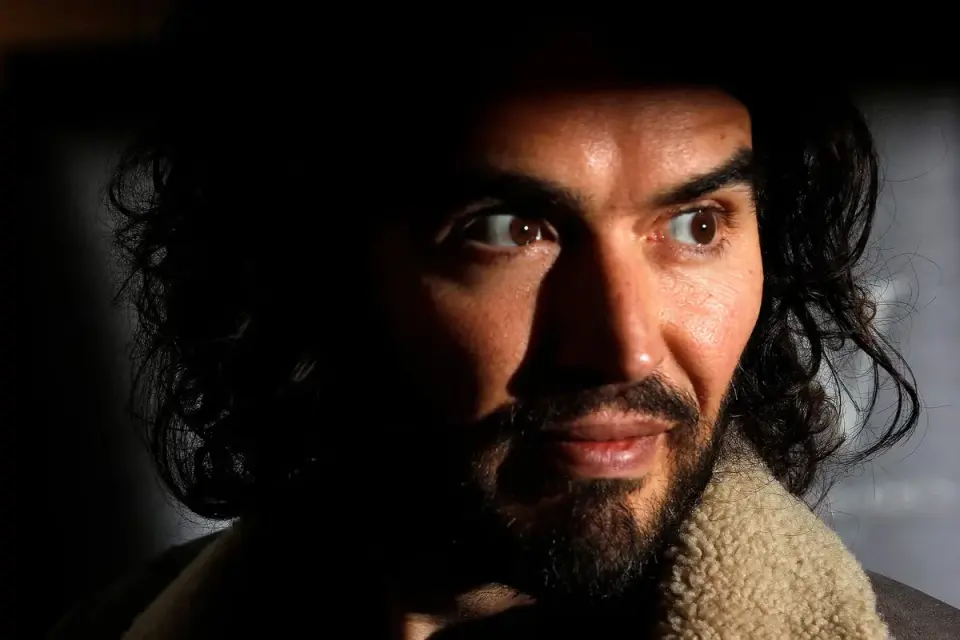
Russell Brand has begun serving a 10.5-year sentence for rape and sexual assault, sending a message from HMP Littlehey via his wife. Simultaneously, new allegations from multiple women and a Netflix documentary have emerged, while government advisers call for urgent reforms to how rape myths are handled in UK courts.
Key points
- Brand, convicted of one rape and three sexual assaults, was moved to HMP Littlehey; his wife Laura Gallacher shared a message where he claims innocence and describes the prison as the 'biggest sex offenders’ prison in Europe.'
- The Times and a new Netflix documentary, 'Russell Brand: Open Secret,' feature new allegations from six women describing predatory behavior, including incidents where victims begged him to stop during sex.
- Prof Katrin Hohl, the government’s independent adviser on rape, stated that while police investigations have improved, the court system is lagging, with defense barristers still using 'rape myths' to undermine victims.
- Rape Crisis helplines have seen a fourfold increase in calls since Brand’s conviction, with many women questioning past experiences with older men, particularly following allegations against David Walliams.
- Ministers are discussing a 'staggered' consent law, which would make it illegal for adults over a certain age to have sexual relationships with 16- and 17-year-olds, prompted by a victim’s campaign.
Background
This development follows Brand’s conviction on November 5, 2026, and sentencing on November 9. Previous coverage noted police were already investigating at least ten additional potential victims. The current wave of allegations and legal debate builds on the public scrutiny of high-profile men in the media and entertainment industries, including recent allegations against David Walliams.
How outlets are covering it
The Independent’s Eleanor Mills argues that the Brand case exposes a systemic failure where 'enablers' and NDAs protect powerful men, noting that the 'perfect victim' myth still hampers justice. She contrasts this with the BBC’s focus on the sheer volume of new allegations and the practical impact on support services. The Guardian highlights the legal gap, quoting Prof Hohl on the need to 'pull back the curtain' on trial practices, whereas The Independent emphasizes the cultural rot in industries beyond TV, such as banking and tech. While The Independent frames the issue as a broad societal failure of power dynamics, The Guardian focuses on specific procedural reforms in the criminal justice system.
Why it matters
The Brand case serves as a catalyst for a national reckoning on how sexual assault is prosecuted and perceived in the UK. The surge in helpline calls indicates that high-profile convictions are prompting widespread re-evaluation of past experiences, while the proposed legal changes to consent and jury directions could fundamentally alter how future cases are handled in courts.
What to watch
The Metropolitan Police are expected to continue assessing information from additional complainants. Government ministers are set to discuss the potential introduction of a staggered age of consent law. Furthermore, legal experts anticipate increased scrutiny on jury directions regarding rape myths, potentially leading to new rules requiring judges to remind juries that consent is not negated by prior sexual activity or intoxication.
- I tried to get justice for Russell Brand’s victims eight years ago – here’s why I failed The Independent
- ‘Pull back the curtain’ on treatment of sexual assault victims in court, says UK government adviser The Guardian
- Russell Brand’s wife shares message from disgraced comedian in prison The Independent
- More women make allegations against Russell Brand BBC
- Russell Brand: six more women accuse him of sexual misconduct The Times
Want the full story? Read the original reporting
Read on The Independent