
Seven charged with 'terrorist-linked' vandalism at Trump's Scottish golf resort
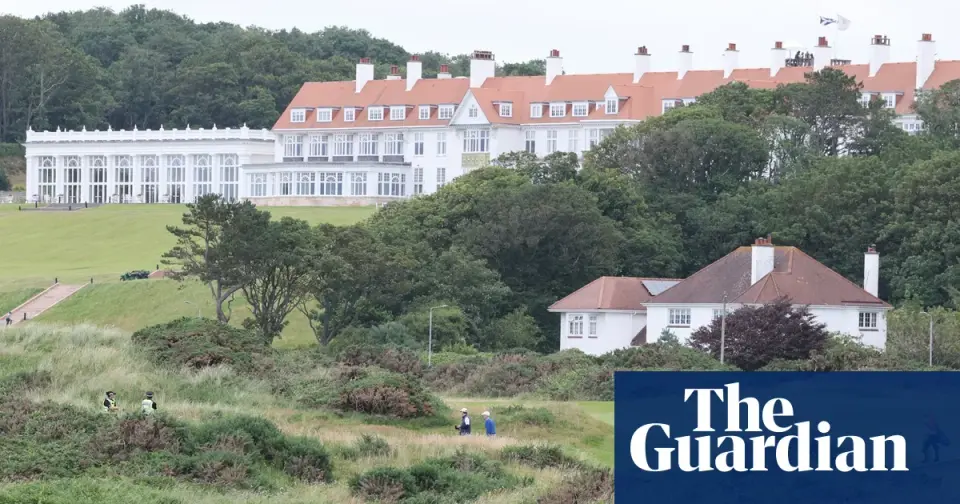
Seven individuals have been charged with malicious damage to Donald Trump’s Turnberry golf resort in Scotland, with prosecutors alleging the acts had a 'terrorist connection.' The incident, which occurred in March 2025, involved graffiti, turf destruction, and the use of weed killer, leading to a formal indictment that elevates the case beyond standard vandalism.
Key points
- Seven defendants, including Kieran Robson, Uzma Bashir, and Dylan Chiaramello, face charges for vandalizing the Trump Turnberry resort in Ayrshire.
- The indictment alleges the damage was aggravated by a 'terrorist connection,' a legal classification that carries significantly higher penalties than standard malicious damage.
- The vandalism included digging up turf, spraying glyphosate on fairways, damaging sprinkler systems, and painting political slogans such as 'Gaza is not for sale' on the course and buildings.
- The defendants are scheduled to appear in court on 31 August 2026, following the incident that took place on 8 March 2025.
- Scottish First Minister John Swinney previously met with Eric Trump to discuss the incident, expressing concern over the damage and assuring that authorities were taking the matter seriously.
Background
The Trump Turnberry resort, located on Scotland’s west coast, is a high-profile property that Trump acquired from a Dubai-based group in 2014. The resort’s Ailsa course is historically significant, having hosted the Open Championship four times, and commands premium prices for non-resident tee times, reaching up to £1,000 per person. This case follows a pattern of high-profile property disputes and security concerns surrounding Trump’s international assets, though no prior similar incidents at this specific location are recorded in the provided archive.
Why it matters
The application of 'terrorist connection' charges to acts of political vandalism at a private luxury resort marks a significant escalation in how such protests are legally categorized in the UK. It suggests that authorities may be treating targeted damage to high-profile political figures' property as a security threat rather than mere civil disobedience, potentially setting a precedent for future cases involving political activism and property damage.
What to watch
The seven defendants will appear in court on 31 August 2026. The outcome of this trial will likely determine whether the 'terrorist connection' charge holds up in a Scottish court, which could influence how similar acts of political vandalism are prosecuted in the future. Additionally, the resort may face ongoing security reviews and potential legal actions for the cost of repairs and lost revenue during the closure period.
Want the full story? Read the original reporting
Read on The Guardian