
Jury Convicts Anthony Williams of 14 Attempted Murders in Huntingdon Train Attack
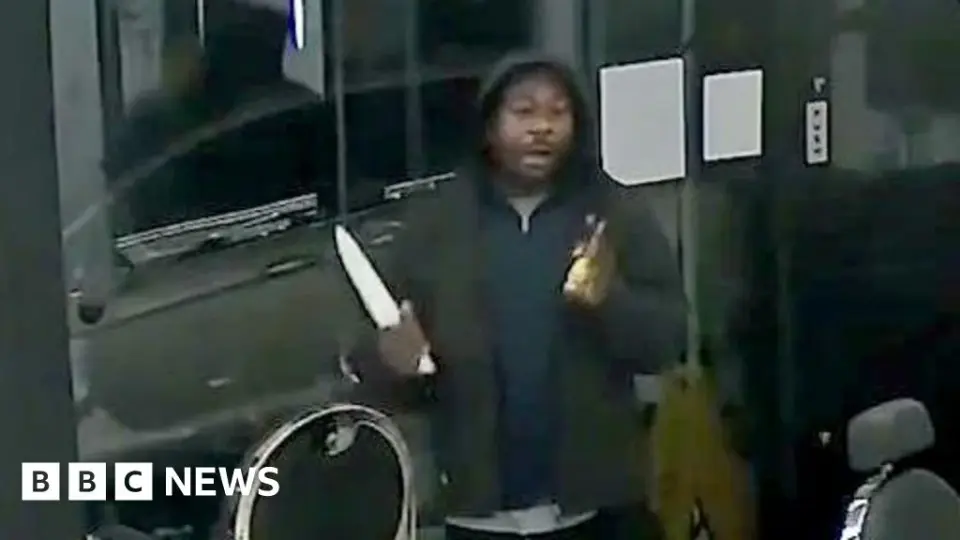
A jury at Cambridge Crown Court has found Anthony Williams guilty of all 14 counts of attempted murder related to a violent spree that culminated in a stabbing attack on a London-bound train in November 2025. While Williams admitted to stabbing 14 people, he denied intent to kill, claiming he was experiencing acute psychosis. New details reveal he contacted his GP a month before the attack to report his medication was ineffective but failed to attend follow-up appointments. Authorities are now investigating whether missed opportunities in healthcare and policing could have prevented the incident.
Key points
- Williams, 33, was found guilty after 16 hours of deliberation; most verdicts were unanimous.
- The attack involved three incidents over 25 hours: three stabbings in Peterborough, one on a London DLR train, and 10 on an LNER train near Huntingdon.
- Williams admitted to wounding with intent but denied attempted murder, citing acute psychosis and paranoid delusions.
- He contacted his GP on September 30, 2025, stating his schizophrenia medication was not working, but missed a scheduled appointment on October 14.
- NHS England will commission an independent investigation into the healthcare provided to Williams.
- Two Cambridgeshire police officers face a gross misconduct hearing over alleged failures to investigate an assault a month before the train attack.
Background
The Huntingdon train attack occurred on November 1, 2025, on an LNER service from Doncaster to London King's Cross. Initial reports indicated 10 people were hospitalized, with nine suffering life-threatening injuries. Police initially activated the national code word 'Plato' for a potential marauding terror attack, but no terrorist motive was established. Williams, born in London in 1993, had a history of violent criminality dating back to his teens, including knife robberies and drug offenses. He was previously sectioned in a psychiatric hospital after a 2020 prison sentence for drug dealing.
How outlets are covering it
BBC News emphasizes the missed opportunities in healthcare, highlighting that Williams contacted his GP twice about his deteriorating mental state but never saw a doctor in person. ABC News focuses on the legal outcome, noting that Williams admitted to the stabbings but denied intent to kill, and that the jury rejected his defense of acute psychosis. The Guardian highlights the 'ferocious and frenzied' nature of the attack and the bravery of passengers who tried to stop Williams, while also noting the ongoing investigations by the NHS and police oversight bodies. All sources agree on the guilty verdict but differ in emphasis: BBC on systemic failures, ABC on the legal defense, and Guardian on the human impact and police accountability.
Why it matters
The verdict underscores the critical importance of mental health monitoring and police response in preventing violent incidents. The independent NHS investigation and police misconduct hearing aim to identify systemic failures that may have allowed Williams to carry out the attack. The case highlights the challenges of balancing mental health defenses with public safety in criminal trials.
What to watch
Williams is due to be sentenced at a later date. NHS England's East of England division will commission an independent investigation into the healthcare provided to Williams. The Independent Office for Police Conduct will hold a gross misconduct hearing for two Cambridgeshire police officers over alleged failures to investigate an assault a month before the train attack. The investigation aims to identify opportunities for learning and improvement in both healthcare and policing.
- Violent knifeman told doctor his psychosis drugs weren't working days before train attack BBC
- Schizophrenic man found guilty of attempted murders of 14 people, including 10 on London-bound train ABC News - Breaking News, Latest News and Videos
- 'I wouldn't be here today without you': Student's praise for man who stopped train attacker BBC
- Man who stabbed passengers on train to London guilty of attempted murder of 14 people The Guardian
- Huntingdon train attack: Anthony Williams was known to mental health services The Times
Want the full story? Read the original reporting
Read on BBC