
Brighton’s Royal Pavilion: A Museum of Imperial Exchange and Modern Inclusion
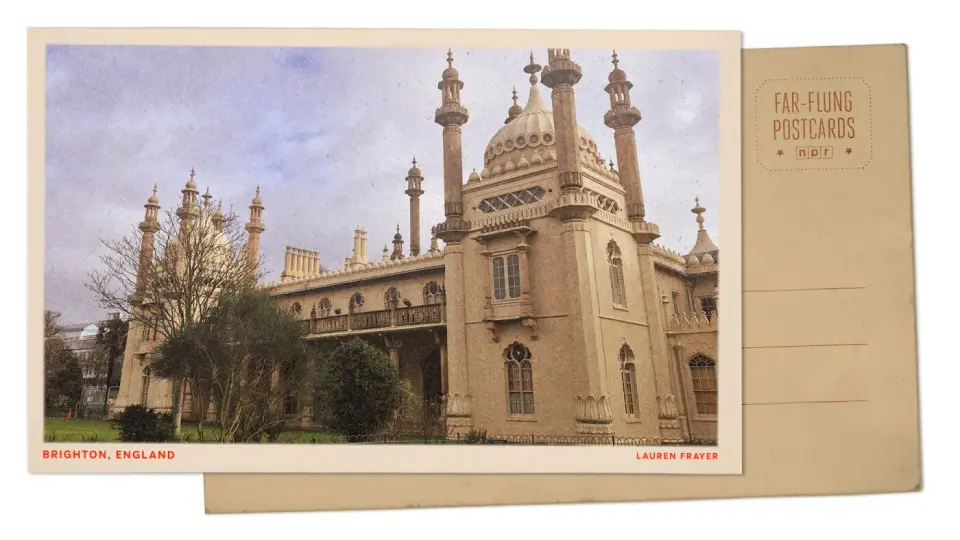
The Royal Pavilion in Brighton, England, stands as a unique example of British adoption of South Asian architectural styles during the 18th century. Originally built for British royals fascinated by Mughal design, the structure later served as a military hospital for Indian soldiers during World War I. Today, it functions as a public museum and hosts inclusive events, reflecting a shift from imperial exclusivity to modern accessibility.
Key points
- The Royal Pavilion features Mughal arches, onion domes, and chhatri-topped towers, reflecting British fascination with South Asian architecture in the late 18th century.
- Queen Victoria resided in the pavilion in the 1830s and 1840s before moving to Buckingham Palace due to the influx of working-class visitors brought by new railway lines.
- During World War I, the building operated as a military hospital for Indian soldiers, with separate kitchens for different castes and prayer areas oriented toward Mecca.
- The pavilion’s gardens, originally designed for King George IV, are currently undergoing restoration and have hosted same-sex weddings since the UK legalized them in 2014.
- The structure has survived multiple arson attacks and royal neglect, now serving as a museum open to the general public.
Background
Recent coverage of the British royal family has focused on the return of Prince Harry and Meghan Markle to England, highlighting tensions within the monarchy and public interest in royal residences. While the archive notes concerns about privacy and security for high-profile families in the UK, the Royal Pavilion represents a historical counterpoint: a royal retreat that has transitioned from exclusive imperial use to a public cultural institution. This shift mirrors broader changes in how British heritage sites engage with modern audiences, moving away from the insular practices of the past.
Why it matters
The Royal Pavilion illustrates the complex cultural exchanges of the British Empire, where British elites adopted Indian architectural motifs while colonizing the subcontinent. Its evolution from a private royal retreat to a public museum and inclusive wedding venue demonstrates how historical imperial spaces are being reinterpreted for contemporary values, including equality and public access. This transformation offers a tangible example of how Britain’s imperial legacy is being recontextualized in the 21st century.
What to watch
The ongoing restoration of the pavilion’s gardens will likely enhance its status as a green space and cultural landmark in Brighton. As a museum, it may continue to attract visitors interested in the history of British-Indian cultural exchange, potentially influencing future discussions about the representation of imperial history in public spaces.
Want the full story? Read the original reporting
Read on NPR