
Uzbekistan Inducts Chinese J-10C Fighters, Marking Second Customer for Israeli-Derived Design
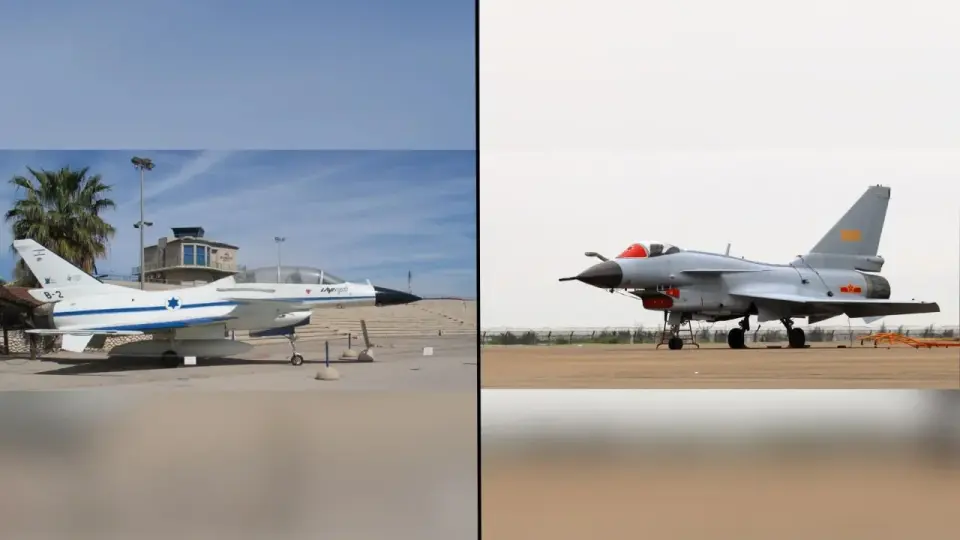
Uzbekistan has officially inducted the Chinese J-10C fighter jet, becoming the second nation to acquire the aircraft after Pakistan. The J-10C is based on the Israeli Lavi design, which Israel canceled in 1988 and China later purchased. This move signals a shift in Central Asian defense procurement away from Russian dominance toward Chinese systems, even as Israel prepares a new domestic fighter program.
Key points
- Uzbekistan has officially inducted the J-10C 4.5-generation fighter into its Air Force, confirmed by a video broadcast on Uzbek television.
- The J-10C is the second export customer for the aircraft, following Pakistan, which inducted the jet in March 2022.
- The J-10C design is derived from the Israeli Lavi fighter, developed by Israel Aerospace Industries (IAI) and canceled in 1988; China reportedly bought the plans to accelerate its own fourth-generation fighter development.
- Uzbekistan ordered 24 J-10C aircraft in the export configuration to replace aging Soviet-era MiG-29s and retired Su-27s.
- The J-10C is marketed as a cheaper alternative to the American F-16 for nations seeking non-US military hardware.
- Prime Minister Benjamin Netanyahu has instructed Israel’s defense establishment to prepare for a new fighter jet development to maintain defense independence.
Background
This development follows earlier reports of Chinese J-16 fighters engaging in dogfights with French Rafale jets during the Eagles of Civilization 2026 exercises in Egypt, highlighting the growing operational presence of Chinese 4.5-generation fighters in international training scenarios. It also coincides with Israel’s push to develop a new domestic fighter jet, as noted in the primary source, to ensure defense independence amid the global spread of its former Lavi design.
How outlets are covering it
The Jerusalem Post emphasizes the historical irony of the J-10C’s Israeli origins and its sale to a Muslim-majority country, framing it as a legacy of the canceled Lavi project. Caspian Post contextualizes the deal within a broader structural shift in Central Asia, noting that China is eroding Russia’s decades-long monopoly on defense exports by diversifying into drones, air defense, and now fighters. Defence Security Asia focuses on technical differences, highlighting that while Pakistan and Uzbekistan share the same J-10C airframe, their configurations differ significantly in electronic warfare, communications, and aerial refueling capabilities due to distinct operational environments and interoperability requirements with existing fleets.
Why it matters
The Uzbekistan deal marks a pivotal moment in Central Asian defense policy, signaling a move away from exclusive reliance on Russian military hardware. It demonstrates China’s expanding influence in the region’s security architecture, potentially creating long-term technological and political dependencies. For Israel, the global proliferation of its canceled Lavi design underscores the complex legacy of its defense innovations, while the concurrent push for a new fighter jet highlights the ongoing need for domestic defense independence.
What to watch
Analysts expect Bangladesh to potentially become the next customer for the J-10C. Israel’s defense establishment is expected to advance its new fighter jet development program. In Central Asia, further diversification of defense suppliers is likely, with countries potentially integrating more Chinese systems alongside existing Russian and Turkish platforms, leading to mixed fleets and complex interoperability challenges.
- Uzbekistan to receive China's J-10 military aircraft, based on Israel Aerospace Industries Lavi design The Jerusalem Post
- Uzbekistan confirmed as second country to buy China’s J-10CE fighter South China Morning Post
- China Is Eroding Russia’s Dominance in Central Asia’s Defense Market Caspian Post
- Pakistan’s J-10CE Combat Edge: Why Uzbekistan’s New Fighters Differ Defence Security Asia
- Uzbekistan Showcases J-10CE Fighters in Defence Ministry Video UzDaily.uz
Want the full story? Read the original reporting
Read on The Jerusalem Post