
Pentagon’s Cyber Pay Overhaul Triggers Immediate Cuts and Morale Crisis
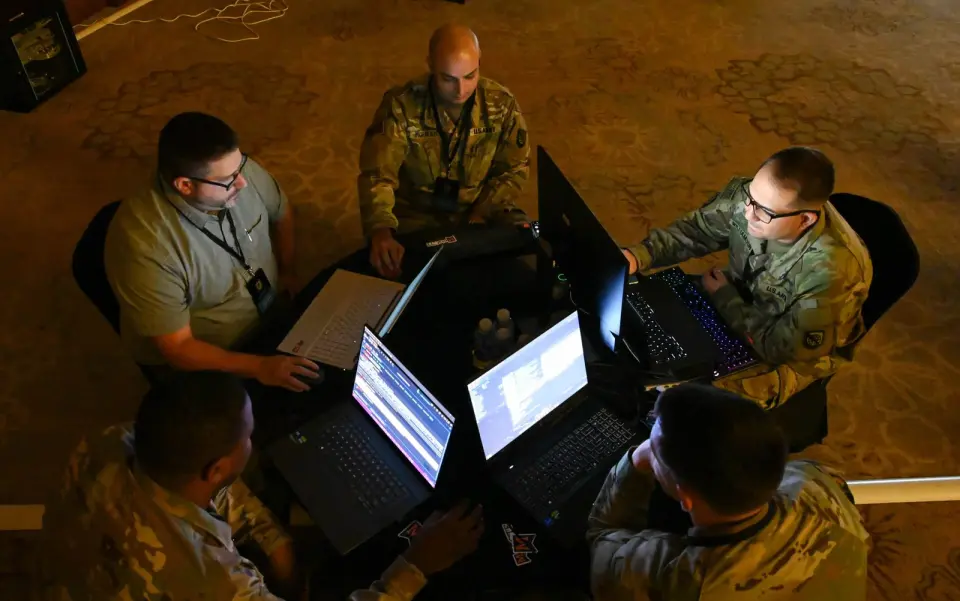
The Pentagon’s new Cyber Mastery Incentive Pay (C-MIP) program, launched October 1, 2026, aims to standardize cyber compensation but has triggered immediate pay cuts for many service members. While designed to reward advanced skills, the shift from legacy models like the Army’s Cyber Assignment Incentive Pay has left basic and senior-level operators with reduced or zero incentives. The Army is implementing a temporary protection policy to mitigate losses, while other services struggle with unclear rollout guidance. Critics argue the move undermines morale and retention in a critical domain, despite Pentagon assurances that the system incentivizes skill progression.
Key points
- C-MIP replaced legacy service-specific pay models with a standardized two-tier structure: Skill Incentive Pay (SIP) and Special Duty Assignment Pay (SDAP).
- Basic-level cyberspace operators and exploitation analysts face monthly pay cuts of up to $1,000, while some senior roles lose $100.
- The Army implemented a temporary rate protection policy, ensuring soldiers receive either the new C-MIP rate or half their legacy CAIP rate, whichever is higher, for one year.
- Pentagon cyber advisor Katie Sutton stated C-MIP is not a retention tool but a reward for top-tier operators, contradicting earlier recruitment-focused language.
- Services received implementation guidance only three weeks before launch, with the Air Force still finalizing its rollout and the Navy citing ongoing progress.
- Lt. Gen. Christopher Eubank, head of Army Cyber Command, warned leaders to prepare for tough conversations, acknowledging that the change creates friction for soldiers facing financial hardship.
Background
This development follows the November 2025 announcement of Cybercom 2.0, a force generation revamp aimed at enhancing the military’s cyber capabilities against advanced adversaries. Previous efforts to compete with private sector pay have struggled, with the military acknowledging it cannot match civilian compensation. The current budget impasse, with Congress failing to pass a new budget before recess, has left federal operations running on prior fiscal year appropriations, adding uncertainty to funding for C-MIP.
Why it matters
The C-MIP rollout risks destabilizing the military’s cyber workforce at a time when cyber threats are escalating. Pay cuts could erode morale and accelerate attrition, undermining the Pentagon’s goal of building a dominant cyber force. The lack of clear communication and inconsistent service-level implementation may signal a lack of institutional support for cyber personnel, potentially affecting recruitment and retention in a critical domain.
What to watch
The Army’s temporary pay protection policy will remain in effect for one year, after which C-MIP will fully replace legacy models. Services are expected to finalize their rollouts in October, with the Air Force and Navy still in progress. The Pentagon has not disclosed the total number of affected service members or the funding source for C-MIP, citing operational security and budget gridlock. Future adjustments may depend on congressional action on defense spending and the outcome of the budget impasse.
Want the full story? Read the original reporting
Read on DefenseScoop