
Russian Ballistic Strikes Halt 90% of Ukraine’s Steel Output, Paralyzing Global Trade Flows
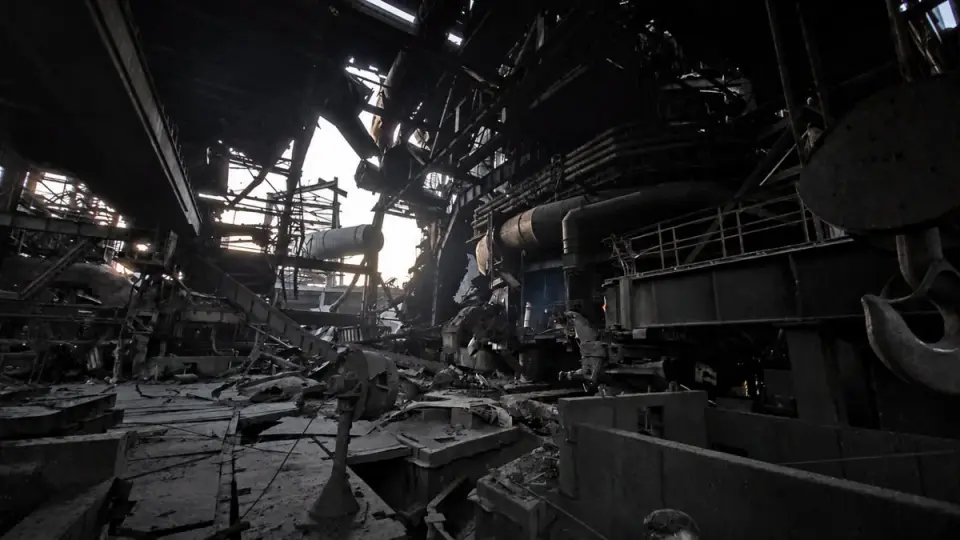
Russian ballistic missile strikes have disabled the three remaining major steel plants in Ukraine, halting 90% of national production. The attacks, which killed 17 workers, have left repair timelines uncertain and disrupted global steel trade flows, forcing buyers to seek alternatives in Asia and overland routes.
Key points
- Russian ballistic missiles struck Zaporizhstal, ArcelorMittal Kryvyi Rih, and Kametstal, halting 90% of Ukraine's steel output.
- The strikes killed 17 workers and left no definitive timeline for repairs, with officials citing potential delays of months or years.
- Black Sea freight costs surged to 60-70 USD/tonne, eroding arbitrage opportunities and forcing Türkiye to source steel from Asia.
- The shutdown threatens 15,000 jobs and reduces state tax revenues, exacerbating Ukraine's wartime economic strain.
- EU trade barriers, including CBAM and quota restrictions, further limit Ukraine's ability to export remaining steel to Europe.
Background
Ukraine's steel sector had already suffered significant losses since the 2022 invasion, including the destruction of Azovstal and Illich plants in Mariupol. Prior to the recent strikes, the sector faced compounding issues from power grid disruptions and logistical bottlenecks. The latest attacks represent a critical escalation, targeting the last operational large-scale facilities in the Zaporizhzhia and Dnipropetrovsk regions.
How outlets are covering it
Kyiv Post and Logos Press emphasize the total halt of production and the uncertainty of repair timelines, citing Metinvest and ArcelorMittal. Shanghai Metals Market (SMM) highlights the broader global impact, noting that soaring freight costs and war-risk premiums have redrawn trade flows, forcing Türkiye to shift procurement to Asia. TVP World frames the strikes as part of a broader 'economic war of attrition,' linking the steel shutdown to wider economic pressures, including a potential $27 billion budget shortfall. While all sources agree on the severity of the damage, SMM focuses on market mechanics, whereas Kyiv Post and Logos Press stress the human and industrial toll.
Why it matters
The shutdown of Ukraine's steel industry has immediate implications for global supply chains, particularly for Türkiye and Europe, which rely on Ukrainian exports. The disruption has forced a redirection of trade flows, with Türkiye turning to Asian suppliers and overland routes. Additionally, the loss of production threatens 15,000 jobs and reduces state revenues, exacerbating Ukraine's economic vulnerabilities. The situation also highlights the strategic importance of industrial infrastructure in wartime, as repeated strikes aim to prevent reconstruction and weaken Ukraine's economic resilience.
What to watch
Repair timelines remain uncertain, with officials indicating that restoration could take months or years. Global markets will continue to adjust to the supply disruption, with Türkiye and Europe seeking alternative sources. Ukraine may face further economic strain as tax revenues and export earnings decline. The situation may also influence EU trade policies, as Ukraine competes with other nations for limited quota allocations.
- Ballistic Strikes Paralyze 90% of Ukraine Steel Production kyivpost.com
- [SMM Analysis] Black Sea breakdown: "unable to ship" replaces "unable to produce", global steel trade flows redrawn Shanghai Metals Market
- Is Missile Strike Altering The Investment Case For ArcelorMittal (ENXTAM:MT)? simplywall.st
- Russia hammers Ukraine steel industry as part of ‘economic war of attrition’ TVP World
- Ukraine’s Steel Industry Halted After Strikes Hit Three Major Plants logos-pres.md
Want the full story? Read the original reporting
Read on kyivpost.com