
Columbia Launches Controversial Tel Aviv Center Amid Shifting Student Politics
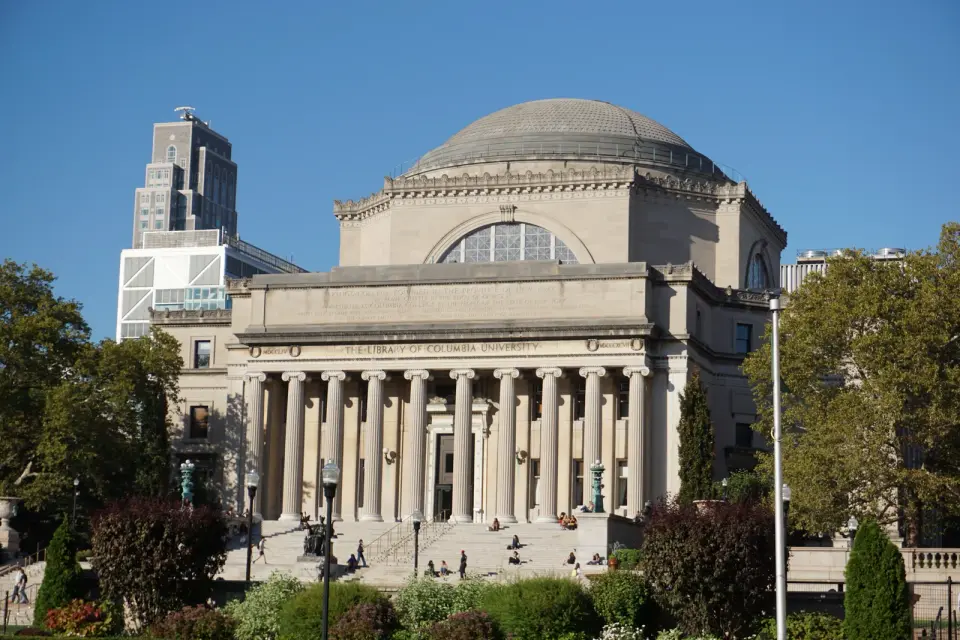
Columbia University is opening its Tel Aviv global center this summer, fulfilling a plan announced in 2023 but delayed by the Gaza war and campus protests. While the center joins a network of 10 other global hubs, it remains a focal point for criticism regarding Israel’s human rights record. Concurrently, the student workers’ union withdrew its demand for financial divestment from Israel, signaling a shift in campus labor politics despite ongoing tensions over the dual-degree program with Tel Aviv University.
Key points
- Nadav Eyal, an adjunct professor at Columbia’s School of International and Public Affairs, confirmed the Tel Aviv center will open this summer, adding to a network of 10 global centers including those in Amman and Istanbul.
- The project was initially announced in April 2023 but stalled after the October 7, 2023, attacks and the subsequent war in Gaza, which intensified campus opposition.
- The center faced immediate backlash, including an open letter signed by at least 95 faculty members led by Katherine Franke, who criticized Israel’s adherence to international human rights laws.
- A competing faculty letter supporting the center drew 172 signatures, according to The New York Times, highlighting deep divisions within the academic community.
- The Columbia Alumni Association postponed an August 2 event welcoming new Israeli students due to security concerns, citing a complex regional environment and U.S. travel advisories.
- The student workers’ union (SWC-UAW), representing over 3,000 members, withdrew its demand for divestment from Israel during contract negotiations, removing an article that required financial transparency and divestment from entities violating international law.
Background
Columbia University has long emphasized global impact as a core mission, a strategy championed by former President Lee Bollinger during his 21-year tenure. The university established a network of global centers to facilitate research and partnerships, with the Tel Aviv location intended to build on existing collaborations, including a dual-degree program with Tel Aviv University that began in fall 2020. Recent campus unrest, including the 'Gaza Solidarity Encampment' in April 2024 and a student referendum to cancel the center, reflected growing tensions between the administration and pro-Palestinian student groups. The archive notes that Tel Aviv University researchers have also been making headlines for unrelated scientific breakthroughs, such as studies on reversing hearing loss, underscoring the institution's broader academic profile.
How outlets are covering it
The Columbia Daily Spectator highlights the administrative push to open the center despite ongoing security concerns and historical opposition, noting the university’s commitment to monitoring safety. In contrast, Middle East Eye focuses on the political retreat of the student workers’ union, framing the withdrawal of the divestment demand as a major shift away from the pro-Palestinian stance the union held since 2024. While the Spectator emphasizes the physical opening and logistical challenges, Middle East Eye underscores the internal labor negotiations and the union’s decision to drop demands for financial transparency and divestment, suggesting a divergence between student labor interests and the broader pro-Palestinian movement’s goals.
Why it matters
The opening of the Tel Aviv center serves as a barometer for the complex intersection of academic diplomacy, geopolitical conflict, and campus activism. It tests the university’s ability to maintain international partnerships in a volatile region while navigating internal dissent. The withdrawal of divestment demands by the student workers’ union indicates a potential fragmentation within the campus left, where labor priorities may diverge from broader political movements, influencing future engagement with Israel and the Middle East.
What to watch
Columbia is expected to launch programming at the Tel Aviv center soon, with officials monitoring security conditions and U.S. travel advisories. The university may announce a new date for the postponed alumni event welcoming Israeli students. Meanwhile, the student workers’ union will continue contract negotiations, focusing on other issues such as compensation and job assurance in the face of AI, having removed the divestment clause from their demands.
- Columbia to open Tel Aviv global center this summer columbiaspectator.com
- Columbia University to open Tel Aviv center, students drop divestment demand The Jerusalem Post
- Columbia students drop divestment demand as new Israel program set to open jta.org
- Student union at Columbia University drops Israel divestment demand The Times of Israel
- Columbia University student workers’ union withdraws Israel divestment demand Middle East Eye
Want the full story? Read the original reporting
Read on columbiaspectator.com