
Harvard Kennedy School Defends Kristof Lecture Amid Alumni Dispute
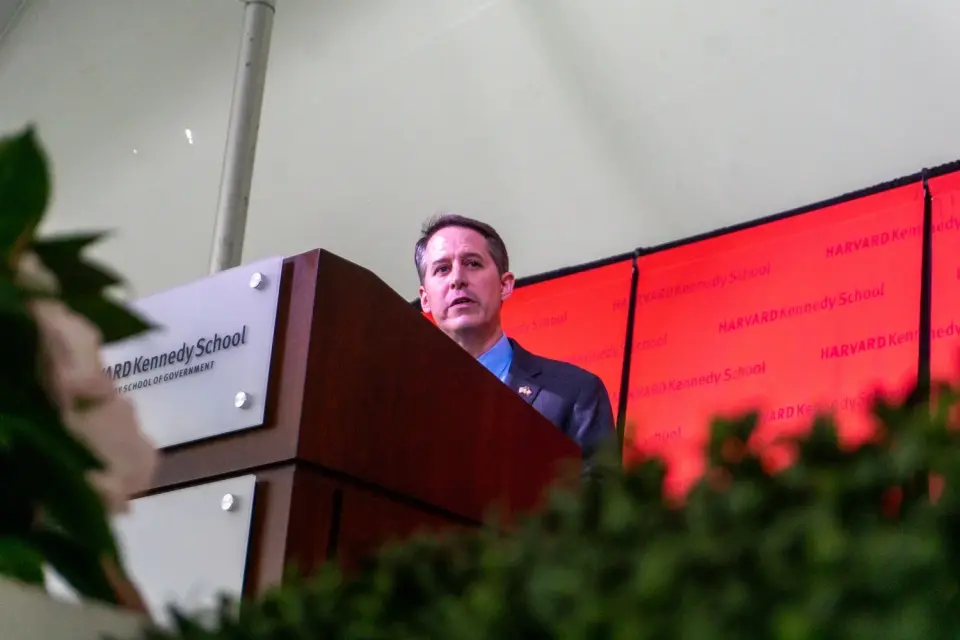
Harvard Kennedy School Dean Jeremy M. Weinstein has refused to revoke New York Times columnist Nicholas Kristof’s invitation to deliver the Malcolm H. Wiener Lecture, citing free speech principles. The decision follows a dispute with the Harvard Jewish Alumni Alliance (HJAA), which objected to the honor due to Kristof’s May 2026 column on alleged sexual abuse of Palestinian detainees. Weinstein argued that withdrawing the invitation would undermine the school’s commitment to hosting controversial speakers, while HJAA contended that conferring an endowed lecture is an institutional judgment, not merely a platform for speech. The lecture is scheduled for Friday, with HJAA demanding a different format that allows direct questioning.
Key points
- Dean Weinstein rejected HJAA’s requests to withdraw the honor, publish selection criteria, or meet before the lecture, stating that canceling invitations under pressure sends a negative message to future speakers.
- HJAA president Adrian D. Ashkenazy argued that an endowed lecture is an honor requiring institutional vetting, not just a speaking opportunity, and cited past controversies involving Kristof’s reporting accuracy.
- The dispute centers on Kristof’s May 11 column alleging widespread sexual abuse of Palestinian detainees by Israeli forces, which Israeli Prime Minister Benjamin Netanyahu called a 'hideous lie' but which the New York Times defended as fact-checked.
- Weinstein noted that the Kennedy School hosts hundreds of speakers with varied views annually and that previous similar demands, such as those regarding Palestinian professor Dalal Saeb Iriqat in 2024, were also rejected.
- HJAA offered a compromise, suggesting Kristof could speak in a format that allows students and experts to challenge him directly, but insisted it should not be labeled an 'honor.'
Background
This incident follows a pattern of free speech debates at Harvard, including a 2023 reversal where Dean Douglas Elmendorf appointed Kenneth Roth after initial blocking over Israel criticism. It also echoes a 2024 case where the school refused to cancel a lecture by a Palestinian professor who described the Oct. 7 attack as a 'normal struggle,' though Elmendorf publicly condemned her views at the time. The current dispute highlights ongoing tensions between institutional free speech policies and alumni or public pressure regarding Israel-related content.
Why it matters
The case tests the boundaries of academic free speech versus institutional endorsement, with implications for how universities handle controversial speakers. It also reflects broader national debates over media credibility and political polarization, as the New York Times defends its fact-checking process while critics point to past reporting errors by Kristof. The outcome may influence future decisions on speaker invitations at elite institutions.
What to watch
Kristof is scheduled to deliver the Wiener Lecture on Friday, with HJAA awaiting a response to its renewed demands by Sept. 11. Weinstein’s office has not addressed requests for selection criteria or a meeting, and the Kennedy School has declined to comment further beyond Weinstein’s initial letter.
Want the full story? Read the original reporting
Read on The Harvard Crimson