
Mexico’s UNAM to force 58,000 students to retake entrance exam after AI cheating scandal
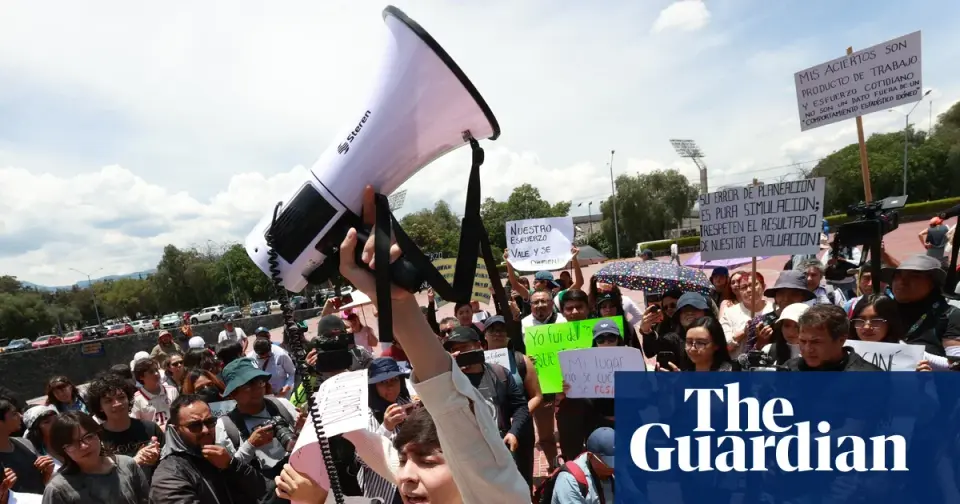
Mexico’s National Autonomous University (UNAM) has ordered approximately 58,000 applicants to retake its entrance exam in person after a remote online version was compromised by widespread cheating. The university annulled 3,174 tests and suspended admissions following a surge in perfect scores, with experts estimating nearly half of all candidates may have used AI or leaked questions. President Claudia Sheinbaum has called for a potential criminal investigation, while the university delayed the start of the academic year to August 31 to accommodate the makeup tests.
Key points
- UNAM will require around 58,000 applicants to sit an in-person 'control exam' between August 12 and 19, 2026, to determine admission for the 2026/2027 academic year.
- The original online exam, taken by nearly 160,000 students, saw the percentage of candidates scoring 100 or more out of 120 jump from 3.5% to 16%, and scores of 110 or more increased sixfold.
- UNAM annulled 3,174 tests (2% of total) due to detected irregularities, including identity impersonation and external assistance, but a technical expert estimated nearly 75,000 exams may have involved cheating.
- The university used AI-powered webcam proctoring and a lockdown browser, but critics and students argue the system failed to prevent the use of secondary devices, AI tools, or leaked questions.
- President Claudia Sheinbaum suggested the attorney general may need to investigate potential crimes, while UNAM rector Leonardo Lomelí apologized to honest candidates and emphasized the need for equity in admissions.
Background
This incident follows a broader global trend of AI-assisted cheating in academic settings. In July 2026, Brown University faced a similar crisis when a take-home economics midterm produced unusually high scores, leading to an in-person final that revealed a significant drop in performance. That case highlighted the difficulty of detecting AI use in remote assessments and prompted policy changes to ban take-home exams. UNAM’s decision to return to in-person testing mirrors this shift toward stricter, supervised environments to ensure academic integrity.
How outlets are covering it
The Guardian and CNN emphasize the scale of the scandal and the political fallout, noting President Sheinbaum’s involvement and the protests by applicants in Mexico City. Ars Technica focuses on the technical failure of the proctoring software, detailing how lockdown browsers and AI webcams were bypassed by students using secondary devices or hidden earphones. Mexico News Daily provides logistical details, confirming the dates and locations for the makeup exams and noting that some students have sought injunctions against the nullification of their initial results. While all sources agree on the need for a retake, they differ in emphasis: some highlight the ethical breach and social impact, while others focus on the technical vulnerabilities of remote testing infrastructure.
Why it matters
The UNAM scandal underscores the fragility of remote testing systems in high-stakes environments. As universities and institutions increasingly rely on digital platforms for accessibility and efficiency, the incident reveals significant gaps in AI-based proctoring. The decision to retake the exam affects tens of thousands of students and sets a precedent for how institutions may handle future integrity issues, potentially leading to stricter in-person requirements or advanced forensic testing methods. It also highlights the need for robust legal and technical frameworks to prevent fraud in competitive admissions processes.
What to watch
UNAM will administer the in-person control exams in Mexico City, León, Oaxaca, and Tijuana between August 12 and 19, 2026. The university has delayed the start of the academic year for new students to August 31 to allow time for the makeup tests. Authorities may launch a criminal investigation into companies or individuals who allegedly sold cheating services or leaked questions. The university is also expected to review its proctoring technology and potentially implement stricter monitoring protocols for future remote assessments, if any are permitted.
- Mexico’s top university orders 58,000 students to resit entrance exam after suspected cheating The Guardian
- The AI cheating scandal rocking Mexico’s most prestigious university CNN
- Did 75,000 Students Cheat on a College-Entrance Exam in Mexico? The New York Times
- Nearly 60,000 UNAM applicants must retake entrance exam following AI cheating fiasco Mexico News Daily
- An AI-supervised remote exam went so badly that 58,000 students must retake it Ars Technica
Want the full story? Read the original reporting
Read on The Guardian