
Ross admits to 'tasteless' 2004 joke, condemns Walliams allegations and Brand conviction
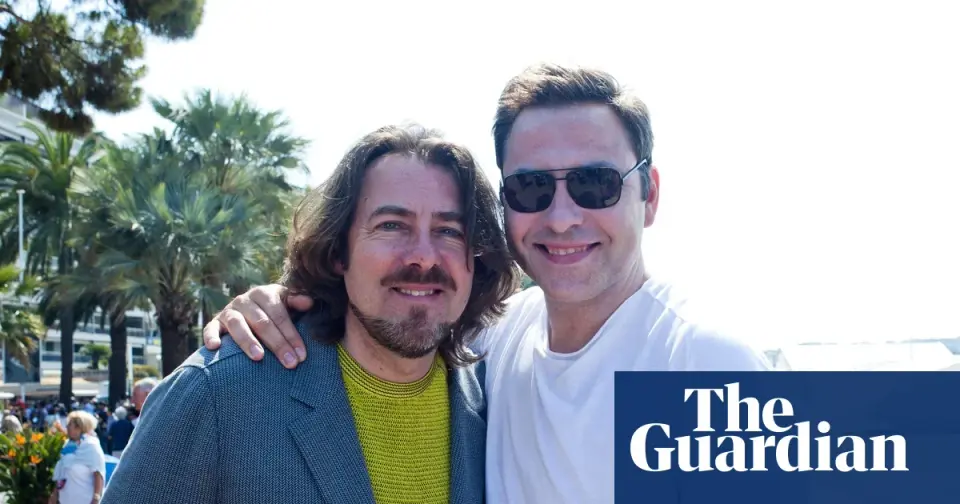
Jonathan Ross has issued a statement expressing horror over the sexual misconduct allegations against David Walliams and the recent rape conviction of Russell Brand. Ross, who hosted both men on his show, admitted to making a 'tasteless' joke about Walliams in 2004 but claimed he was unaware of their conduct at the time. The allegations against Walliams, published by The Guardian and ITV News after he lost a legal bid to stay anonymous, accuse him of grooming young women. Walliams denies the claims, while Brand was sentenced to 10.5 years in prison for rape and sexual assault.
Key points
- Jonathan Ross stated he was 'genuinely unaware' of the conduct of David Walliams and Russell Brand, describing himself as 'horrified' by the recent revelations and Brand's conviction.
- Ross acknowledged a 2004 joke at the British Comedy Awards implying Walliams was 'going home' with a 15-year-old, calling it 'tasteless' but claiming he believed it referred to Walliams dating younger women, not actual events.
- The Guardian and ITV News published a three-year investigation alleging Walliams used his celebrity status to prey on young women and teenagers, including a 15-year-old he allegedly assaulted in 2007.
- Walliams, 55, denies all allegations of sexual harassment and grooming, stating he is 'not a sexual predator' and has not broken the law, though he admitted to behaving 'thoughtlessly' in past casual relationships.
- Walliams lost a High Court bid to block the publication of the allegations, with his lawyers citing suicide risks, leading to his suspension from the Labour Party and removal from BBC platforms.
- Culture Secretary Lisa Nandy called the allegations the 'latest in a long line of reported abuses of power' in the media industry, promising to meet with industry leaders to address power imbalances.
Background
This development follows a series of high-profile cases involving British media figures, including the 2012 Jimmy Savile scandal and the #MeToo movement. The current situation highlights ongoing concerns about power imbalances in the entertainment industry, where careers are often built on contacts and reputation. Previous investigations have revealed that broadcasters and police may have ignored reports of inappropriate behavior by powerful individuals, leading to calls for stronger legal protections for victims and whistleblowers. The recent conviction of Russell Brand and the allegations against David Walliams have intensified scrutiny of the media industry's duty of care and accountability mechanisms.
How outlets are covering it
The Guardian and ITV News emphasized the severity of the allegations against Walliams, highlighting the power imbalance and the failure of institutions to protect young women. They noted that Walliams had been dropped by his literary agency and that the BBC was removing his content. The BBC focused on Ross's statement, emphasizing his admission of the 'tasteless' joke and his claim of being unaware of the conduct. Yahoo highlighted the claims by TV agent Dermot McNamara that broadcasters ignored reports of Walliams grooming teenage girls, adding that Walliams was still on TV for many years after the reports. All sources agreed on the denial of wrongdoing by Walliams and the conviction of Russell Brand, but differed in their emphasis on the institutional failures and the personal reactions of public figures.
Why it matters
The case underscores the ongoing struggle for accountability in the media industry, where powerful individuals can use legal tactics to silence victims and avoid public scrutiny. The failure of broadcasters and police to act on previous reports raises serious questions about the duty of care and the effectiveness of current safeguarding measures. The public reaction and the involvement of government officials, such as Culture Secretary Lisa Nandy, indicate a growing demand for meaningful steps to end abuse and harassment in sectors with significant power imbalances. The case also highlights the importance of legal protections for victims and the need for stronger laws to prevent the use of injunctions and non-disclosure agreements to silence the media.
What to watch
The government is reviewing how the law can be strengthened to stop powerful individuals from using injunctions to silence the media. The Metropolitan Police is investigating potential criminal allegations related to Russell Brand, and the BBC is reviewing all material featuring David Walliams. Industry leaders are expected to meet with government officials to discuss measures to address power imbalances and improve safeguarding. The case may lead to further legal and regulatory changes in the media industry, as well as increased scrutiny of other public figures and institutions.
- Jonathan Ross ‘horrified’ by David Walliams and Russell Brand revelations The Guardian
- Broadcasters ‘ignored reports about Walliams grooming’ Yahoo
- Jonathan Ross 'horrified' by Walliams allegations and Brand conviction BBC
- David Walliams, UK Celebrity, Is Accused of Sexual Misconduct The New York Times
- Walliams and Brand were leading UK comics. Now they are part of a reckoning over sexual misconduct Dallas News
Want the full story? Read the original reporting
Read on The Guardian