
Global Investigation Exposes Hidden Costs of Fishmeal in Aquaculture Supply Chains
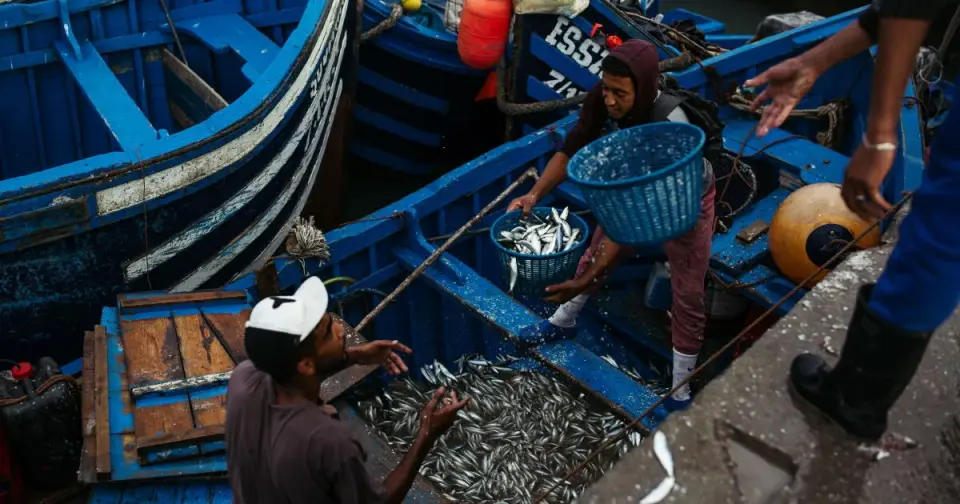
A massive investigation by The Outlaw Ocean Project reveals that the global aquaculture industry, which supplies over half the world's seafood, relies heavily on fishmeal made from wild-caught fish. This practice exacerbates ocean depletion, causes environmental pollution, and drives forced labor and civil unrest in poorer nations, contradicting the industry's sustainability claims.
Key points
- More than half of global seafood consumption is now farm-raised, yet two-thirds of these species are fed fishmeal made from wild fish, including overexploited species.
- The investigation mapped over 1,400 fishmeal plants and 2,400 ships, finding that most vessels lack transparency and engage in illegal or unsustainable fishing practices.
- Fishmeal production is linked to forced labor in China and Russia, worker deaths in Peru, and violent civil unrest in India and Senegal due to pollution and food insecurity.
- Major retailers like Walmart and Sysco have supply chain links to fish farms in regions with documented human rights abuses, despite U.S. laws banning such goods.
- Alternatives to fishmeal, such as seaweed or single-cell proteins, are not yet scalable or affordable, while global fishmeal production is projected to rise by 10% by 2032.
Background
This story builds on earlier concerns about forced labor in global supply chains, such as the 2026 trade court hearings on Trump's Section 301 tariffs, which cited forced labor as a justification for duties. The current investigation highlights how aquaculture supply chains face similar scrutiny for labor abuses and environmental harm, despite being framed as sustainable solutions to food security.
How outlets are covering it
The Los Angeles Times and The New York Times emphasize the environmental and social costs of fishmeal, noting that aquaculture worsens overfishing and causes pollution. France 24 focuses on the impact on France's imports, highlighting how European consumers are indirectly linked to abuses in West Africa and Latin America. All sources agree that the industry's sustainability claims are misleading, but they differ in emphasis: The New York Times details worker fatalities and forced labor, while France 24 stresses the geopolitical tensions and food insecurity in poorer nations. The industry, represented by IFFO and Global Seafood Alliance, defends aquaculture as the most efficient protein system and argues that certification programs address sustainability, though critics note these programs often overlook labor abuses and rely on self-reported data.
Why it matters
The findings reveal that the global push for aquaculture as a sustainable food source is masking significant environmental and human rights violations. As demand for seafood grows, the reliance on fishmeal threatens ocean ecosystems and exacerbates inequality, with poorer nations bearing the brunt of pollution and food insecurity. This could lead to increased regulatory scrutiny, consumer backlash, and shifts in supply chains, impacting major retailers and governments.
What to watch
Regulators may tighten oversight of aquaculture supply chains, and consumers may demand greater transparency from retailers. The industry may accelerate efforts to develop alternative feeds, though scalability remains a challenge. Governments could impose stricter import restrictions on seafood linked to illegal fishing or forced labor, as seen in the U.S. with Xinjiang goods.
- The hidden cost of farmed fish: Pollution, forced labor and the depletion of wild fish Los Angeles Times
- The Dirty Secret Behind the Farmed Fish You Eat The New York Times
- France’s seafood problem starts elsewhere France 24
- That ‘sustainable’ farmed salmon you plan on cooking tonight? It comes with a dangerous catch. The Boston Globe
- E-Mart Shrimp Tied to Global Abuses 조선일보
Want the full story? Read the original reporting
Read on Los Angeles Times