
Seawater turbidity forces shutdown of five Israeli desalination plants, triggering nationwide water restrictions
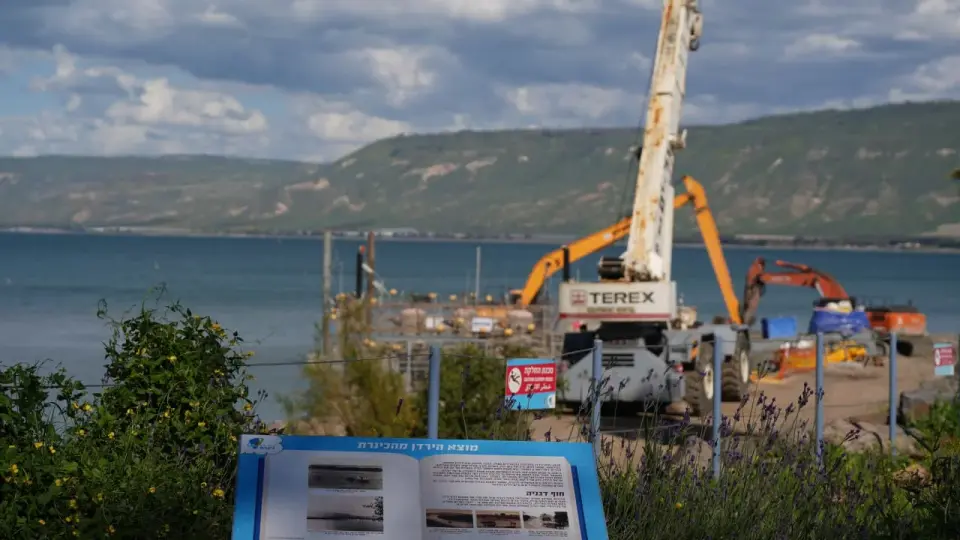
Five of Israel's six desalination facilities have shut down due to severe seawater turbidity, causing water pressure drops and outages in central regions. Authorities attribute the issue to stormy conditions and potential algae from the Nile, urging immediate conservation while awaiting clarity improvements.
Key points
- Five of six national desalination plants are offline due to high turbidity levels that prevent filtering.
- Water Authority Director-General Yehezkel Lifshitz links the issue to eastern Mediterranean storms and possible Nile algae.
- Central Israel, including Givatayim, Jerusalem, and Rishon Lezion, faces reduced pressure and potential outages.
- Southern agricultural sectors in Eshkol and Ramat Negev have halted freshwater use for farming.
- Mekorot is increasing drilling and production to offset the desalination shortfall.
Background
This incident follows a period of global water infrastructure stress, including desalination plant strikes in the Gulf and severe droughts in the US Southwest. While those events involved conflict or climate extremes, Israel's current crisis stems from natural water quality issues affecting its primary desalination infrastructure.
Why it matters
The shutdown of the majority of Israel's desalination capacity highlights the vulnerability of modern water systems to environmental fluctuations. It forces a rapid shift to alternative water sources and imposes immediate economic and social costs on households and agriculture, testing the resilience of the national water network.
What to watch
Authorities expect some facilities to resume operation as sediment settles and seawater clarity improves. Residents are advised to monitor local updates for distribution points and continue strict water conservation until normal operations are restored.
- Water disruptions reach central Israel as desalination facilities remain offline The Jerusalem Post
- Desalination plants again shut down due to murky seawater; farmers sound the alarm The Times of Israel
- Water restrictions continue into second day as most Israeli desalination plants shut down again The Jerusalem Post
- Nile Delta algae suspected in shutdown of five Israeli desalination plants Ynetnews
- The Stream, September 1, 2026: Israel Abruptly Shuts Down All But One Desalination Plant Due to Weather Circle of Blue
Want the full story? Read the original reporting
Read on The Jerusalem Post