
Iraqi environmentalist Jassim al-Asadi returns to marshes after surviving torture by Iran-backed militia
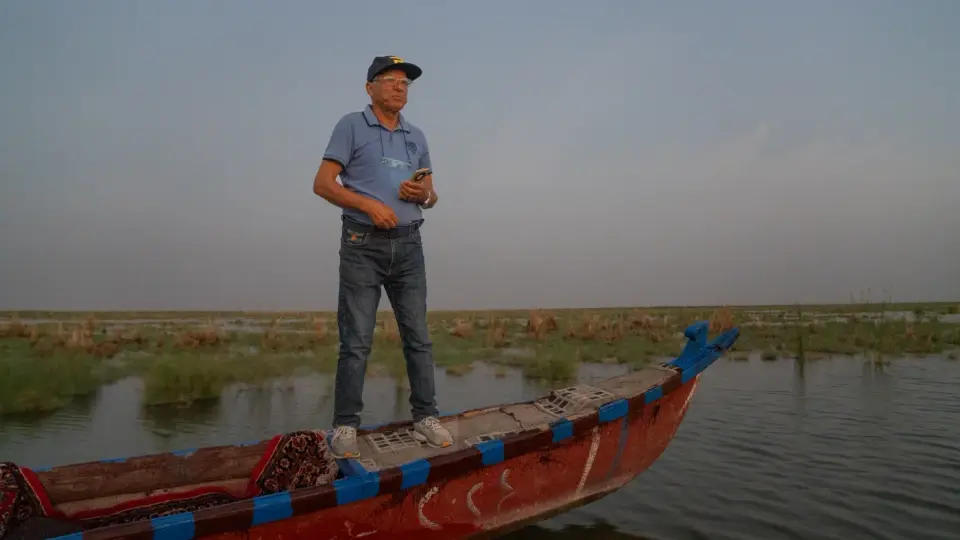
Jassim al-Asadi, co-founder of Nature Iraq, has resumed monitoring the southern Iraqi marshes after being kidnapped and tortured by an Iran-backed militia in 2023. The 69-year-old environmentalist was accused of spying for Israel but refused to confess, surviving two weeks of abuse through poetry recitation. His release was secured by his tribe, and he rejected European asylum to continue his work. While recent rains have partially restored water levels after a five-year drought, the marshes face ongoing threats from oil expansion, pollution, and political neglect.
Key points
- Al-Asadi was kidnapped in February 2023 while traveling from Baghdad to Chibayish and held for two weeks by gunmen who accused him of running a spy network for Israel.
- He endured severe torture, including suffocation, electric shocks, and beatings, but refused to sign a false confession, instead writing a will for his family.
- His release was achieved through pressure from his Bani Asad tribe, which mobilized hundreds of armed members to demand his freedom from the militia.
- Al-Asadi rejected an offer of asylum in Europe, stating that leaving would fulfill his captors' goal of stopping his environmental work; he instead secured asylum for two of his children in Sweden.
- The marshes, a UNESCO World Heritage site, are recovering from a five-year drought with water levels rising by one-third, but fish populations remain low and pollution persists.
- Nature Iraq, the organization co-founded by al-Asadi and Azzam Alwash, has faced a chilling effect on activism, with staff numbers dropping from 94 to four after the kidnapping and prior legal freezes.
Background
The Iraqi marshes were drained in the 1990s by Saddam Hussein to suppress a Shiite uprising, causing a humanitarian and environmental disaster. After the 2003 invasion, residents and environmentalists like al-Asadi and Alwash helped breach embankments to restore water flow. The area was designated a UNESCO World Heritage site in 2016. However, subsequent years saw new threats from Turkish dams, Iranian water diversion, and oil exploration, leading to a severe drought from 2019 to 2024.
How outlets are covering it
NPR focuses on al-Asadi's personal resilience and the specific details of his torture and release, highlighting his refusal to leave Iraq. IraqiNews confirms these events and emphasizes the organizational status of Nature Iraq, noting its accreditation with the UN Environment Programme. The third source, a local Iraqi outlet, provides a broader systemic view, arguing that the marshes are being sacrificed for oil interests and that political power-sharing has rendered environmental ministries ineffective. While NPR and IraqiNews center on the individual activist, the third source frames the crisis as a structural failure of the state to protect water rights against economic and political pressures.
Why it matters
The case of Jassim al-Asadi illustrates the extreme risks faced by environmental activists in Iraq, where Iran-backed militias operate with impunity. His refusal to flee underscores the deep personal and cultural ties to the marshes, which are critical for biodiversity and local livelihoods. The ongoing struggle to restore the marshes highlights the intersection of climate change, geopolitical water disputes, and domestic political neglect, threatening a heritage site that has sustained human life for millennia.
What to watch
Al-Asadi continues to monitor water levels and advocate for the construction of natural water treatment ponds in Chibayish. Younger volunteers, such as Muntadher Abedali, are stepping up to continue the work despite fears of retaliation. The recovery of the marshes depends on sustained rainfall and political will to address pollution and oil encroachment, though the organization remains understaffed and vulnerable to further threats.
- Iran-backed militias tortured him, but Iraqi environmentalist refuses to quit NPR
- Iran-backed militia torture Iraqi environmentalist who refuses to abandon marshes IraqiNews
- A small gravestone for a fish that once lived in the Marshes موقع جمار
- Drought threatens Iraq’s marshes, risking one of the oldest ways of life NPR
Want the full story? Read the original reporting
Read on NPR