
EU Commission proposes releasing €4.2bn in frozen funds for Hungary after rule-of-law reforms
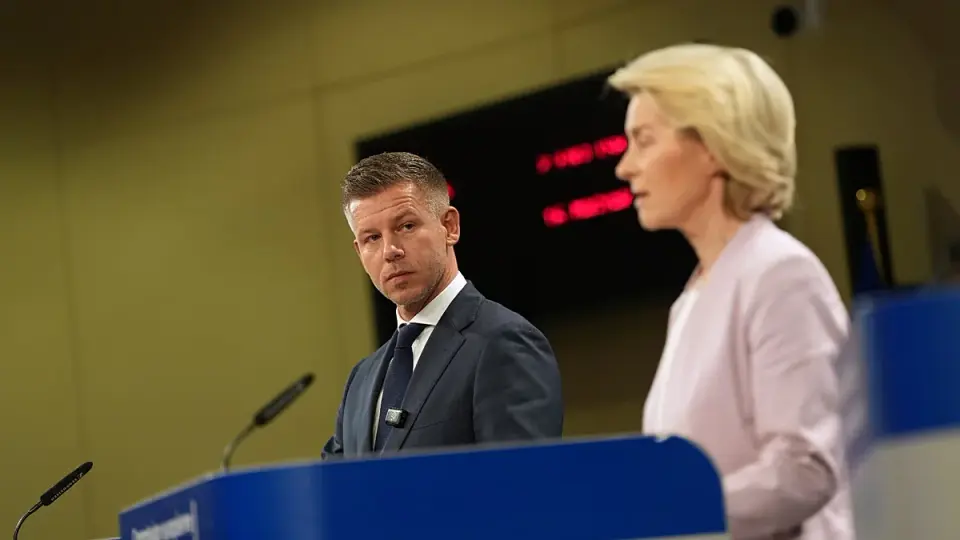
The European Commission has proposed unblocking €4.2 billion in cohesion funds for Hungary and restoring its access to Erasmus+ and Horizon Europe, citing significant rule-of-law reforms under Prime Minister Péter Magyar. This follows a 2022 suspension of €6.3 billion due to corruption and procurement issues under Viktor Orbán. While €10 billion in recovery funds remain under review, €2 billion in cohesion funds stay blocked over asylum and academic freedom concerns, with Magyar pledging to resolve these by year's end.
Key points
- The European Commission proposed unlocking €4.2 billion in previously frozen cohesion funds for Hungary on September 23, 2026.
- Hungary will regain access to the Erasmus+ student exchange program and the Horizon Europe research initiative.
- The funds were originally frozen in 2022 due to corruption, conflicts of interest, and public procurement irregularities under Viktor Orbán's government.
- Prime Minister Péter Magyar, who took office in May 2026, met 27 'super milestones' and over 100 other conditions to secure the release.
- Hungary is also seeking to withdraw €10 billion in recovery funds, with the Commission's assessment ongoing.
- €2 billion in cohesion funding remains blocked over concerns regarding asylum systems, child protection laws, and academic freedom.
Background
In 2022, the EU suspended €6.3 billion in cohesion funding for Hungary under the conditionality mechanism due to systemic rule-of-law breaches. After Péter Magyar won a landslide election victory in April 2026, he prioritized unlocking these funds. In May 2026, Magyar and von der Leyen agreed to release €16.4 billion in total EU funding contingent on meeting specific rule-of-law milestones. The archive notes that von der Leyen has been actively engaged in EU diplomacy, including recent interactions with Canadian PM Mark Carney, highlighting her focus on strengthening EU partnerships and rule-of-law standards.
How outlets are covering it
Euronews emphasizes the political significance of Magyar's campaign promise to unlock funds and the broader impact on Hungarian students and researchers. Politico highlights the technical aspects of the reforms, noting that over 100 pieces of legislation were amended and Hungary joined the European Public Prosecutor’s Office (EPPO). Research Professional News focuses specifically on the restoration of access to Horizon Europe and Erasmus+, stressing the importance for Hungarian universities and research institutions. All sources agree on the €4.2 billion figure and the Commission's positive assessment, but differ in emphasis: Euronews on political narrative, Politico on legal reforms, and Research Professional News on academic and research implications.
Why it matters
This decision marks a significant shift in EU-Hungary relations, demonstrating that rule-of-law reforms can lead to the restoration of financial and academic ties. It sets a precedent for other member states facing conditionality mechanisms and signals the EU's willingness to reward compliance with its values. The ongoing review of €10 billion in recovery funds and the remaining €2 billion in blocked cohesion funds indicate that the process is not complete, with further reforms required to fully restore Hungary's standing within the EU.
What to watch
The Council is expected to adopt the Commission's proposal to unblock the €4.2 billion. The Commission will continue to monitor Hungary's progress on the remaining issues, including asylum systems, child protection laws, and academic freedom. Magyar has pledged to resolve these issues by the end of 2026. The assessment of the €10 billion in recovery funds will also continue, potentially leading to further releases or additional conditions.
- Von der Leyen says Hungary 'strengthened rule of law', unlocks €4.2bn in EU funding euronews.com
- EU Commission proposes unlocking €4.2 billion for Hungary Reuters
- Hungary: EU Commission wants to unblock €4.2b in funding DW.com
- EU Commission seeks to release Hungary’s frozen funds politico.eu
- Commission moves to let Hungary back into Horizon Europe Research Professional News
Want the full story? Read the original reporting
Read on euronews.com