
Kyiv struck as Ukraine alleges US intelligence and Starlink failures
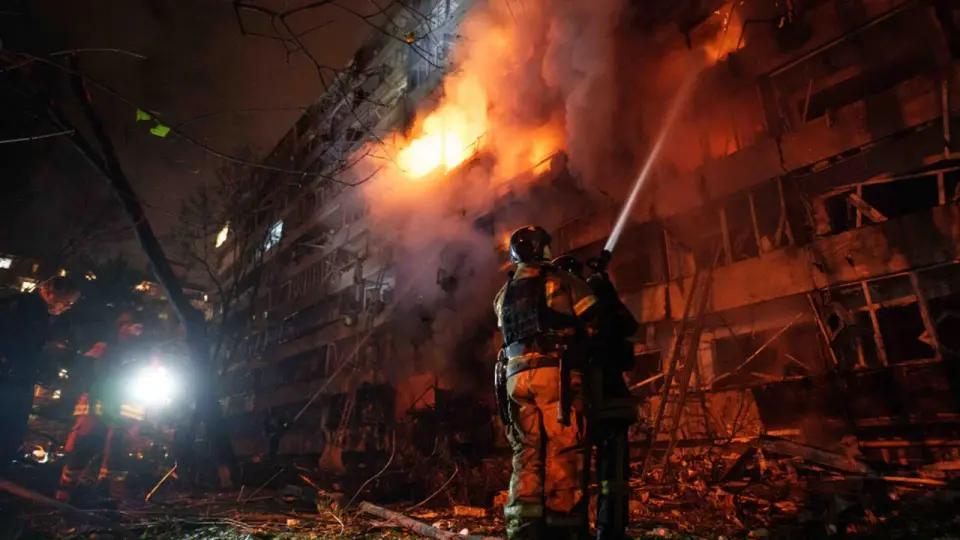
A Russian ballistic missile struck a Kyiv power plant on October 13, killing at least two people and wounding 20, after Ukraine received no advance warning from Western allies. The attack followed a surprise 'energy ceasefire' announcement by US President Donald Trump, raising questions about the reliability of US intelligence sharing and satellite communications during ongoing strikes on Ukrainian infrastructure.
Key points
- A Russian ballistic missile hit the CHP-4 power plant in Kyiv on October 13, killing at least two people and wounding 20, according to Mayor Vitali Klitschko.
- President Volodymyr Zelensky stated that Ukraine received no early warning from Western partners about the missile launch, despite relying on US intelligence for such alerts.
- The attack occurred days after US President Donald Trump announced an 'energy ceasefire' between Russia and Ukraine, which Zelensky said Russia had already violated.
- Ukrainian authorities reported that SpaceX restricted military-grade Starlink services, disrupting military operations and logistics, with no prior warning from the provider.
- US President Trump denied that intelligence sharing with Ukraine had stopped, while the European Commission stated there was no indication that US intelligence sharing had ceased.
Background
Ukraine has faced increasing Russian drone and missile attacks on energy infrastructure in recent months, with Kyiv relying heavily on Western intelligence to detect incoming strikes. The current dispute follows a surprise 'energy ceasefire' announcement by US President Donald Trump on October 11, which Zelensky supported but said Russia violated by continuing to target energy facilities. Earlier reports indicated that Ukraine had paused strikes on Russian oil refineries in response to US pressure, but Russian attacks on Ukrainian energy infrastructure continued, raising questions about the ceasefire's effectiveness and the reliability of allied support systems.
How outlets are covering it
France 24 and The New York Times emphasized the lack of advance warning from Western allies for the October 13 missile strike, with Zelensky publicly criticizing the absence of early alerts. CNN and The Guardian highlighted the simultaneous disruption of Starlink military services, which Ukrainian officials linked to the political tensions with the Trump administration. While Trump and the European Commission denied that intelligence sharing had stopped, Ukrainian officials and military sources argued that the lack of warnings and Starlink restrictions were deliberate actions tied to US pressure on Ukraine to halt strikes on Russian oil facilities. The Kremlin, meanwhile, questioned the specifics of the 'energy ceasefire' and stated that 'work in this direction is continuing,' while also noting that it was 'too early to draw systemic conclusions' about shifts in US support for Ukraine.
Why it matters
The incident underscores the fragility of the 'energy ceasefire' and the potential consequences of US pressure on Ukraine to halt strikes on Russian oil facilities. The lack of advance warning for the missile strike and the disruption of Starlink services raise concerns about the reliability of Western support for Ukraine's defense and infrastructure, potentially affecting the country's ability to protect its energy grid and military operations. The dispute also highlights the broader tensions between the US and Ukraine over the terms of the ceasefire and the role of intelligence sharing in the conflict.
What to watch
Ukraine is expected to continue seeking additional air defense support from Western allies, particularly ballistic-missile interceptors, to protect its energy infrastructure. The US and European allies may face increased pressure to clarify the status of intelligence sharing and Starlink services, while Russia may continue to target Ukrainian energy facilities, testing the limits of the 'energy ceasefire.' The outcome of these disputes could influence the trajectory of the conflict and the level of Western support for Ukraine in the coming months.
- Kyiv power plant hit by Russian missile without warning from allies France 24
- Russia batters Ukraine’s energy facilities hours after Zelensky appeals for early warnings from partners CNN
- Ukraine Says It Received No Intelligence About Strikes 2 Nights in a Row The New York Times
- EU says ‘no indication’ intelligence sharing with Ukraine has stopped as Russian attacks leave 600,000 without power – Europe live The Guardian
- Russian missile attack on Kyiv kills two, Zelenskiy says no warning received Reuters
Want the full story? Read the original reporting
Read on France 24